
Silken tofu might be the most underrated ingredient in my kitchen. I eat it cold with a load of delicious toppings, use it as a creamy blended sauce for pasta and noodles, as a soft, custardy protein in saucy weeknight mains, and as a delicate add-in for soups and stews when I want something brothy and comforting. So I've finally rounded up my 7 best silken tofu recipes including the viral Mapo Tofu Udon, which is genuinely one of my new obsessions and has been on my dinner table at least once a week since I first made it.
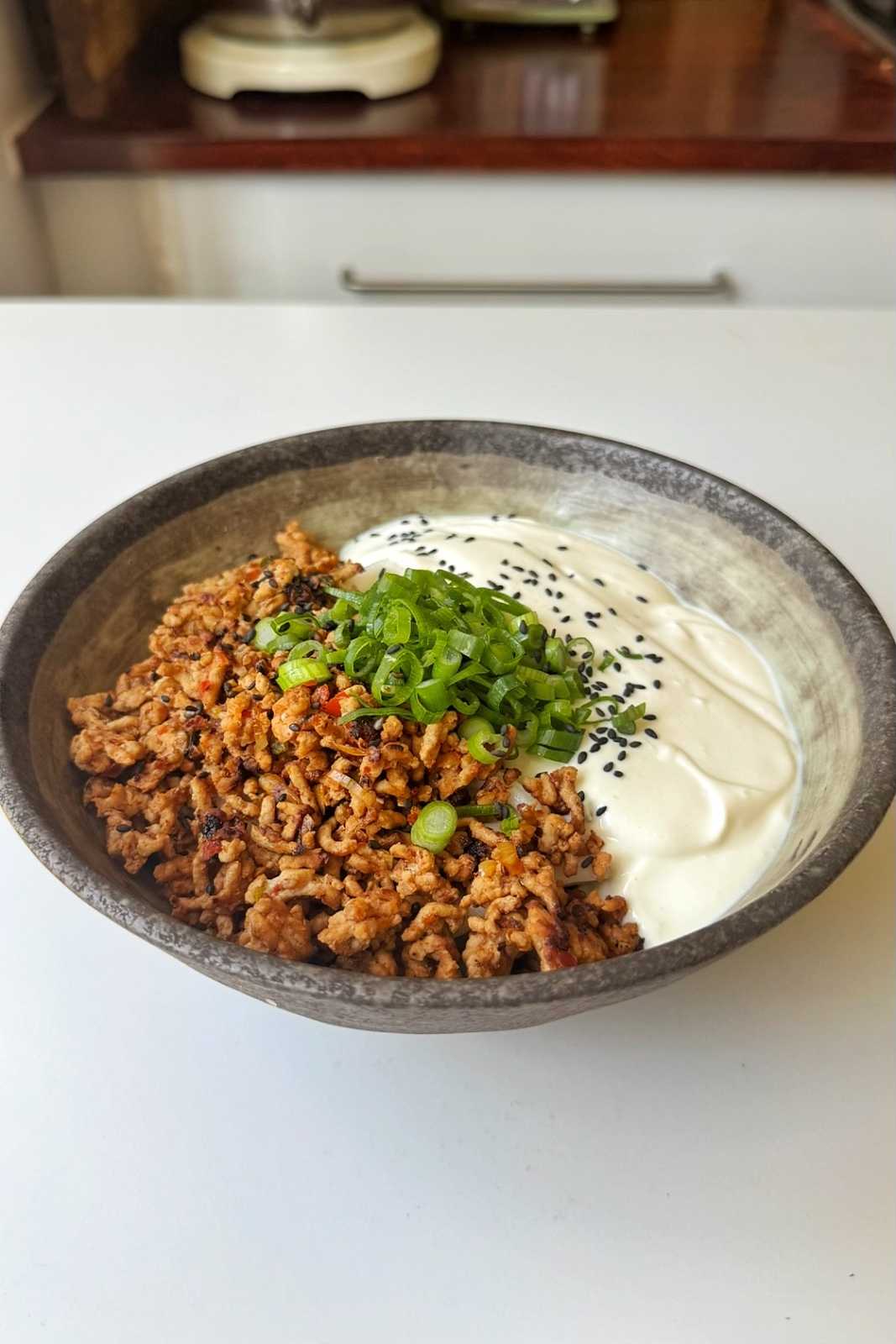
The silken tofu recipes in this roundup span Chinese, Japanese, Korean, Thai, and Italian-inspired cooking, and they all use the same humble block (or carton) of silken tofu in very different ways. You'll find a viral creamy mapo udon with blended silken tofu cream, a high-protein silken tofu pasta sauce my partner now requests on rotation, a saucy Thai-inspired hasselback tofu in coconut sauce, and a comforting miso soup I make on every rough day. All of them are genuinely easy to make at home, and all of them are recipes I've personally tested until I'm totally happy with them.
But before we get to the recipes, I want to share the one technique that unlocks half of this list: blending silken tofu into a smooth, creamy high protein sauce. Once you've done it once, you'll start using it everywhere... in pasta, in noodles, in dips, in dressings. No cream, no dairy, no heavy fats needed to get that velvety texture. I'll walk you through it below.
Whether you're after a 20-minute silken tofu dinner, a high-protein vegetarian pasta night, or a brothy soup to slurp on a cold evening... scroll down for my 7 Best Silken Tofu Recipes + How to Blend Silken Tofu Like a Chef. I really hope you love them!
What is the easiest silken tofu recipe to make at home?
I can't choose one so I'll choose two... the two easiest silken tofu recipe are:
1. loaded silken tofu topped with soy sauce, chilli oil, sesame oil, sesame seeds, sliced scallions, served on a hot bed of rice.
2. a blended creamy silken tofu sauce: just blend a packet of silken tofu until smooth, then warm it in a pan with garlic, stock, salt, pepper, and a flavor base of your choice (parmesan and parsley for an Italian-style pasta sauce, or doubanjiang and Sichuan peppercorns for a viral mapo tofu udon). You get a silky, cream-like sauce with way more protein than dairy cream, and it's ready in about 20 minutes.
Jump to:
- What is the easiest silken tofu recipe to make at home?
- What is Silken Tofu?
- Silken Tofu Toppings
- How to Blend Silken Tofu Into a Creamy Sauce
- Creamy Blended Silken Tofu Recipes
- Saucy Silken Tofu Mains
- Silken Tofu Soups & Stews
- Tips for Cooking Silken Tofu Every Time
- Save This For Later
- FAQs
- 7 Easy Silken Tofu Recipes (Including Viral Mapo Udon)
- More Recipes You Might Like
What is Silken Tofu?
Silken tofu is the softest, most delicate form of tofu, made by coagulating soy milk without pressing out the whey, which leaves it with a pudding-like, custardy texture and a very mild flavor. Because it's so neutral, it absorbs whatever flavors you cook it in, which is exactly why it's such a magical ingredient. It's also relatively low in calories (around 50–60 kcal per 100g) with about 6g of plant-based protein per 100g, very few carbs, and small amounts of fiber and minerals like calcium and iron (especially when set with calcium salts).
You'll usually find silken tofu in one of two places:
- Shelf-stable cartons (think of a juice box) in the international or Asian aisle. These are usually 300g and great for blended sauces.
- Refrigerated tubs of soft / silken tofu near the firmer tofus, usually in the produce or chilled aisle. These tend to be a bit fresher in flavor and come in slightly larger sizes.
Both work for my easy silken tofu recipes below and I'll flag where one is better than the other.
Silken Tofu Toppings
One of my favorite ways to eat silken tofu is to garnish it with an array of ingredients and eat it on a bed of hot rice. It's fresh, high in protein, and absolutely delicious. Here are a few of my favorite topping combinations:
Option 1: 1 tablespoon light soy sauce, ½ tablespoon sesame oil, ½ tablespoon rice wine vinegar, ½ tablespoon chili oil, sesame seeds, sliced scallions.
Option 2: whisk together 1 tablespoon peanut butter, 2 tablespoon light soy sauce, and ½ teaspoon sugar. Drizzle the sauce over the silken tofu and top with chopped scallions, chilli oil, and sesame seeds.
Option 3: ½ lime juiced, 1 tablespoon tahini, and 1 tablespoon chilli oil, add a bit of water to loosen the sauce, and drizzle over the silken tofu and topped with toasted peanuts and finely sliced chives.
How to Blend Silken Tofu Into a Creamy Sauce
This is the technique behind three of the seven silken tofu recipes in this roundup, and once you've done it once you'll find yourself reaching for silken tofu instead of cream every time you want a creamy sauce. No dairy, no heavy cream, no roux required.
Here's the basic technique I use:
- Drain your silken tofu carefully and tip it into a blender, NutriBullet, food processor, or tall jug if you're using an immersion blender. No need to press it (silken tofu shouldn't be pressed).
- Blend until completely smooth. I always say the consistency should be like heavy cream... silky, pourable, no visible lumps. If you can still see chunks, keep blending.
- Warm gently in a pan with your aromatics (garlic, ginger, scallions or whatever your dish calls for) and a little stock or pasta water to loosen it.
- Don't let it boil aggressively once the blended tofu is in the pan. A gentle simmer keeps the sauce silky; a hard boil can make it split.
- Season generously. Silken tofu is extremely mild on its own, so it needs salt, umami (soy sauce, parmesan, miso, doubanjiang... depending on the recipe), and acid (lime, vinegar) to come alive.
That's the whole technique. From here, I use this blended base for my Creamy Silken Tofu Pasta Sauce (with parmesan, garlic, paprika, and parsley), my viral Mapo Tofu Udon (with doubanjiang, Sichuan peppercorns, and spiced pork), and even my Tofu Pasta where the silken tofu actually replaces eggs as the liquid binder for the pasta dough. Genuinely such a useful trick.
Creamy Blended Silken Tofu Recipes
This is where I'd suggest starting if you've never cooked with silken tofu before. All three of these recipes lean on the blended creamy silken tofu technique, and they're some of the most-loved tofu recipes on my blog. If you want a quick weeknight dinner that feels indulgent but is genuinely high in protein, start here.
1. Creamy Silken Tofu Pasta Sauce
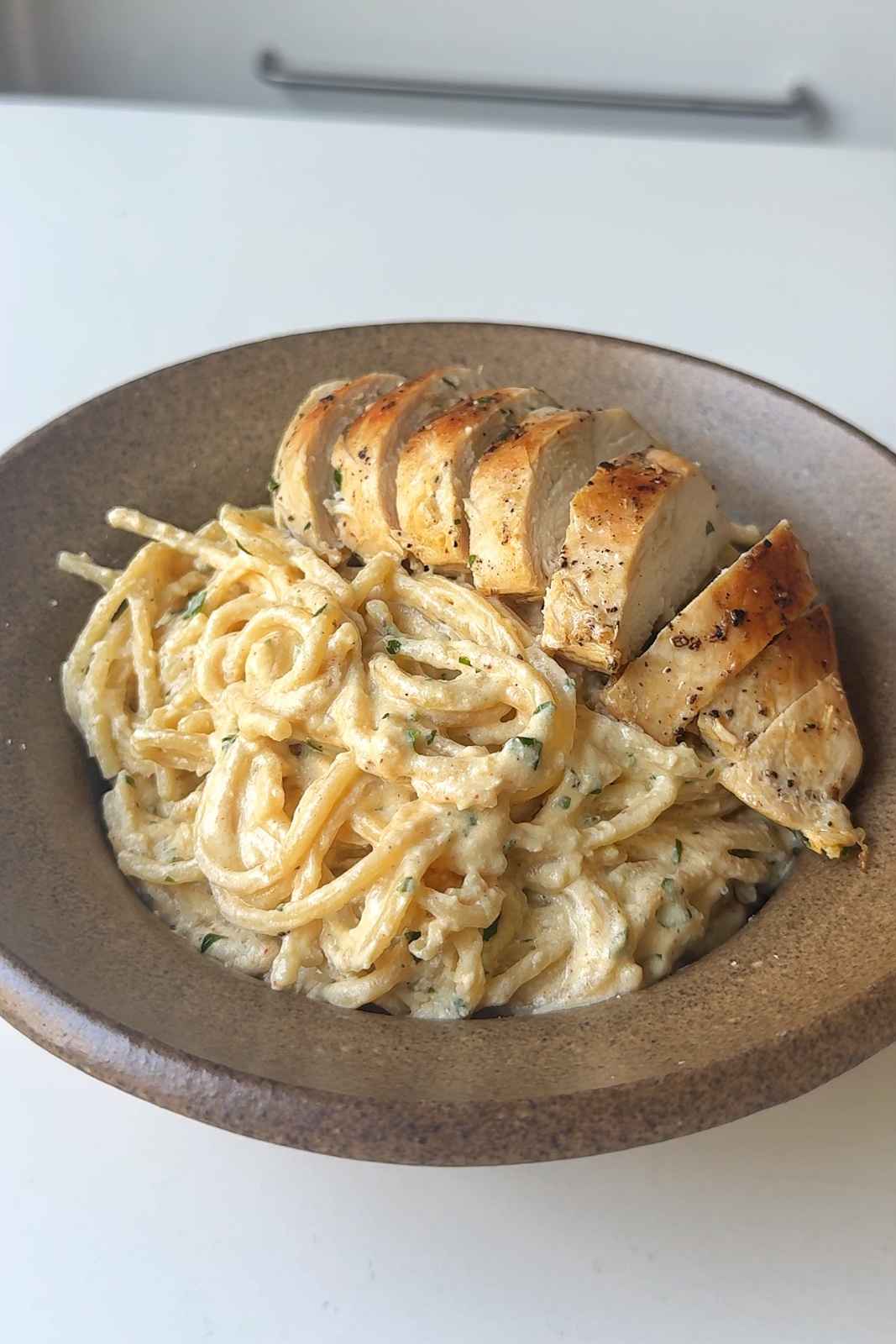
This is my high-protein alternative to Alfredo sauce, and genuinely one of the recipes my partner has fallen in love with. I blend 600g of silken tofu with garlic, chicken or vegetable stock, parmesan, paprika, salt, pepper, and parsley to get a silky sauce that has over 30g of protein from the sauce alone (compared to around 12g in a cream equivalent). I serve it with spaghetti and fried chicken breast for a properly filling dinner, but it's vegan-adaptable too - just swap to veggie stock and nutritional yeast in place of parmesan. Ready in 20 minutes, and the flavor sponge properties of silken tofu mean it soaks up the fried garlic and paprika beautifully.
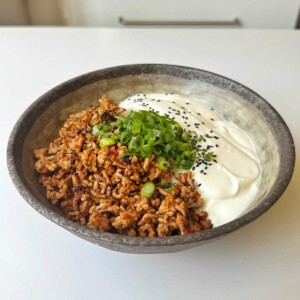
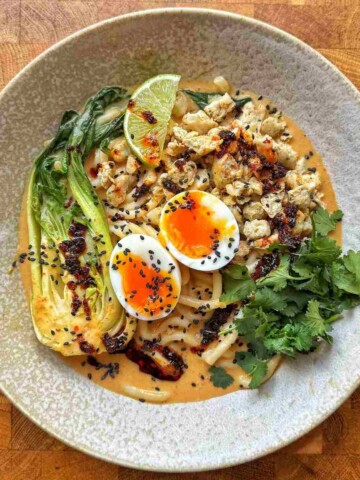
2. Mapo Tofu Udon (Viral TikTok Creamy Udon Noodles)
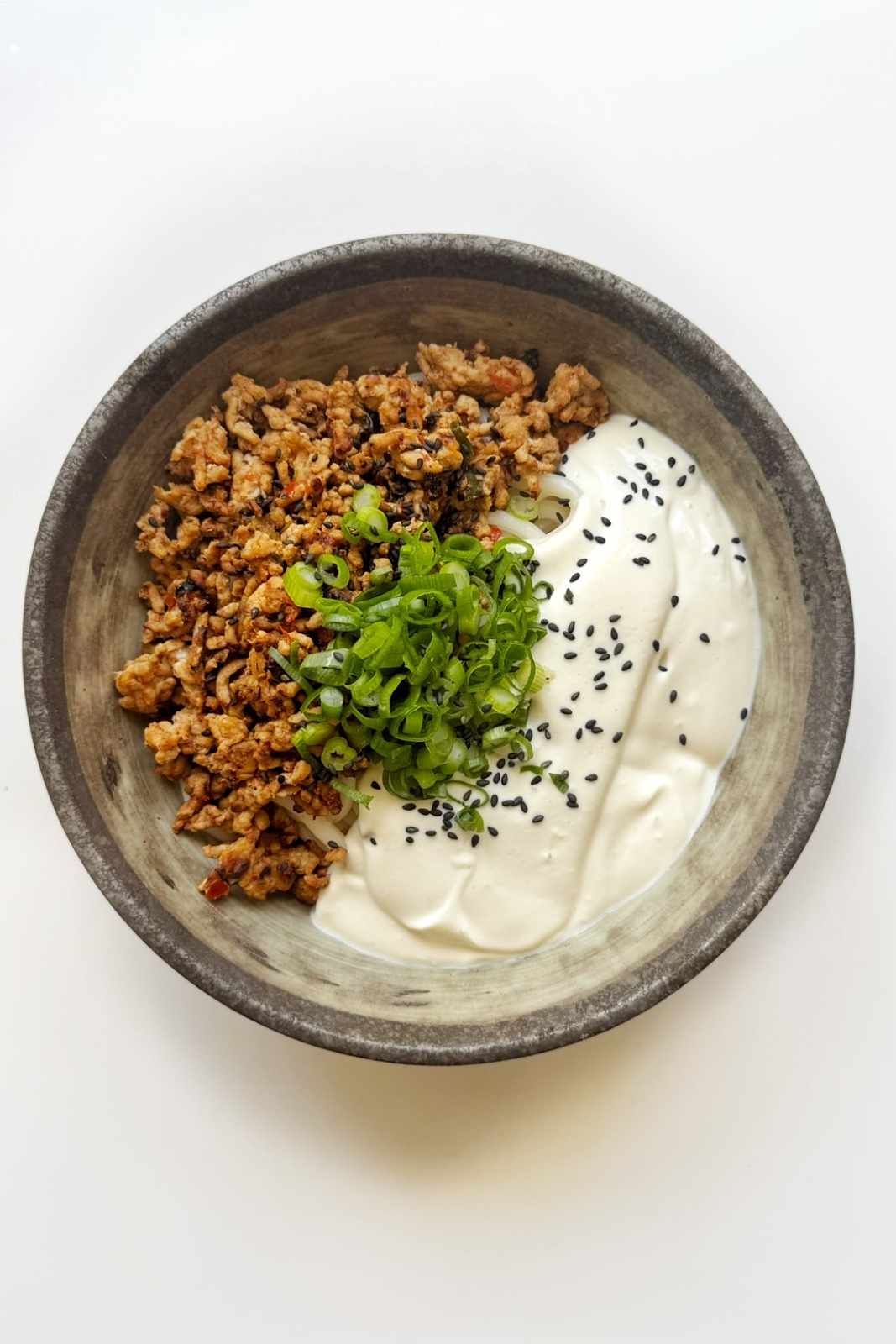
This is my new obsession. The recipe was originally developed by Audrey Lin in October 2025, and it's a brilliant reimagining of the classic Sichuan dish: instead of cubed silken tofu in a fiery sauce, the silken tofu is blended into a creamy sauce and poured over bouncy udon noodles next to spicy fried ground pork. When my partner and I traveled to China back in 2019, mapo tofu was one of my favorite dishes we ate there, so this viral spin really got me. I've also given you two versions in one post: an easy version using sriracha or gochujang and rice wine vinegar (no specialty ingredients needed), and an authentic version with doubanjiang, Shaoxing wine, black vinegar, and Sichuan peppercorns. It all comes together in about 20 minutes and if you only make one recipe from this list, make this one.
3. Easy Tofu Pasta (Scissor Cut)
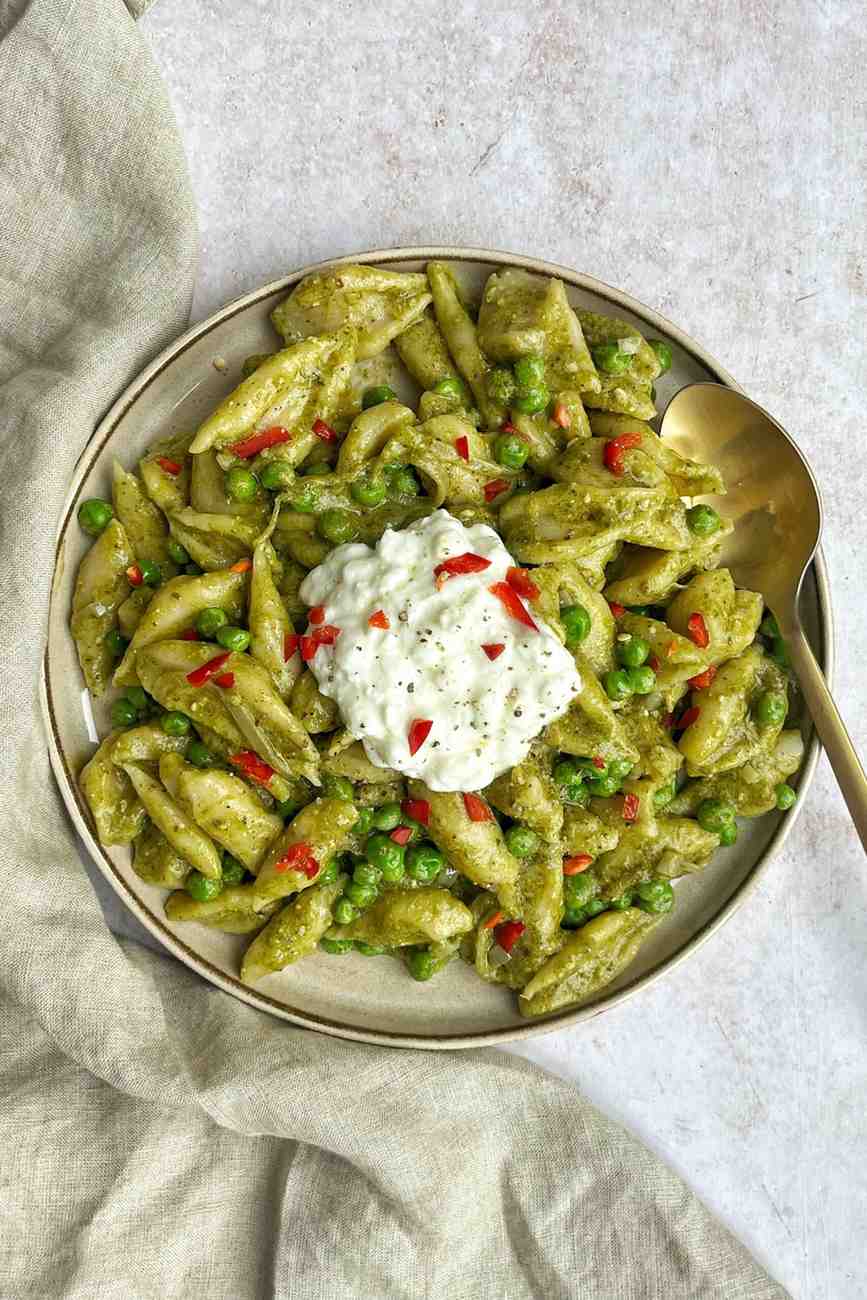
This is the recipe that proves silken tofu is properly versatile. Instead of being blended into a sauce, the silken tofu here is kneaded directly into the pasta dough as the liquid binder, completely replacing eggs. Mixed with all-purpose flour and salt, it forms a soft, pliable dough that I then cut into bite-sized pieces with kitchen scissors — no rolling, no pasta machine, no faff. I serve it with a quick pesto, peas, fried shallots, and a dollop of cottage cheese (or vegan burrata to keep it plant-based). The scissor-cut technique went viral thanks to Seema from @seemagetsbaked, and I'm genuinely so impressed by how well silken tofu works as the egg replacement here. It's ready in 15 minutes and a fantastic dinner-party trick.
Saucy Silken Tofu Mains
These two are the ones I reach for when I want silken tofu as the soft, melt in your mouth protein in a single-pan main, rather than blended into a sauce. Both are brilliant on a bed of sticky rice, both are vegan or vegan-adaptable, and both lean into that "flavor sponge" quality of silken tofu. Here the sauce does the heavy lifting and the silken tofu carries every drop of it.
4. Claypot Tofu (Silken Version)
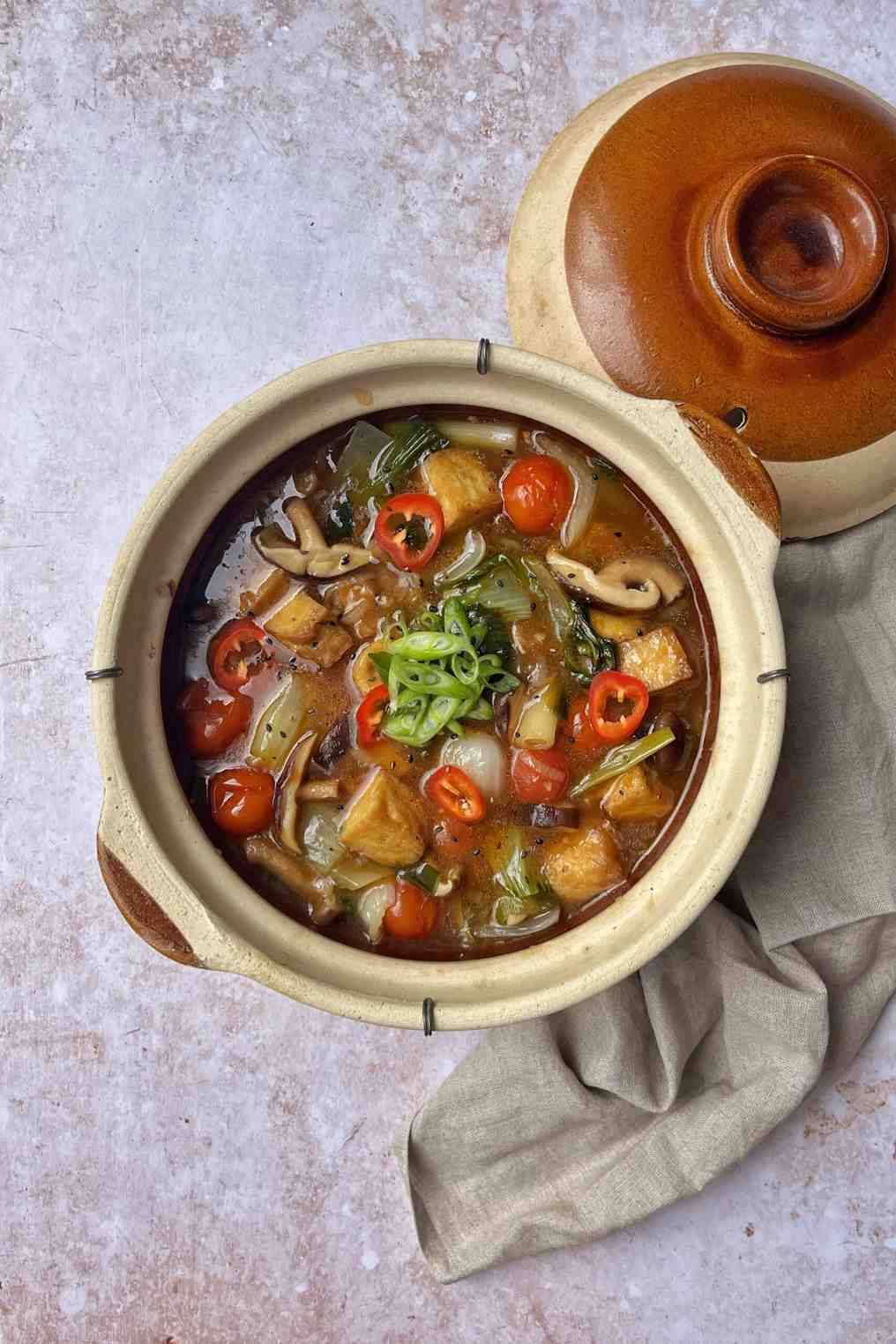
This is my 20-minute vegan claypot tofu stew, and it's one of my favorite cold-day dinners. The original recipe uses extra firm tofu (air-fried for crispiness), but it works beautifully with silken tofu too. Just simply skip the air-frying step and slide the sliced silken tofu in 5 minutes before serving so it gently warms through without breaking apart. The stew itself is shiitake mushrooms, shallots, ginger, garlic, pak choi, spring onions, and cherry tomatoes in a glossy sauce of vegan oyster sauce, light soy sauce, sesame oil, and vegetable stock, thickened with a quick cornstarch slurry. Not authentic Chinese claypot, more my own warming take on a tofu stew... but it tastes incredible and serves brilliantly with rice, noodles, or just on its own.
5. Spicy Coconut Tofu (Silken Version)
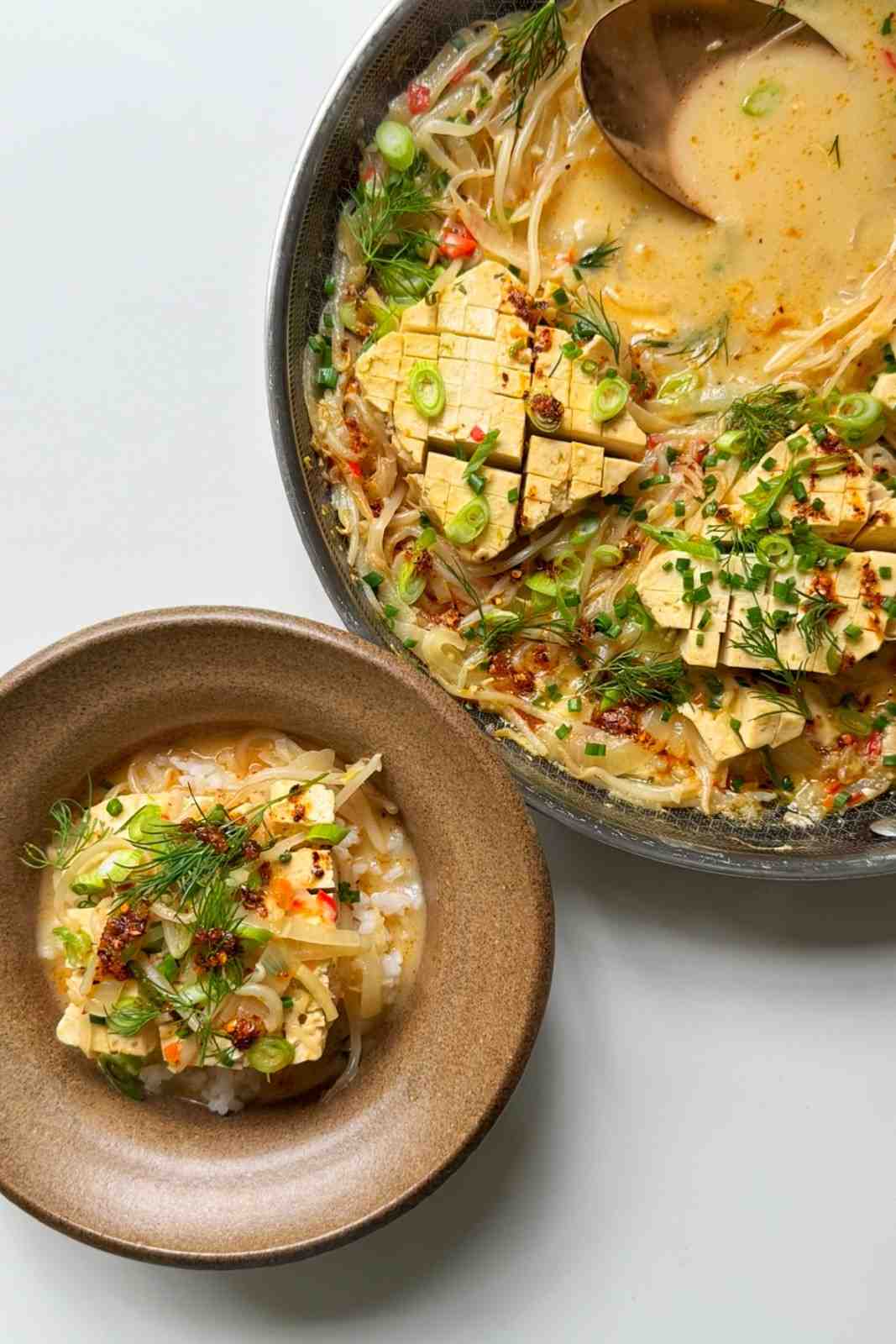
This recipe is a saucy, Thai-inspired single-pan main that's all about that creamy coconut milk sauce seasoned with onion, garlic, red chili, fresh ginger, lime zest and juice, and a splash of light soy sauce. The original recipe uses extra firm tofu cut into a hasselback shape, but you can absolutely use silken tofu here... just be delicate, skip the hasselback slicing, and gently nestle whole slabs of silken tofu into the simmering coconut sauce so they hold their shape. The silken version is softer, more spoon-able, and honestly delicious served over sticky rice. Garnish with spring onions, chives, dill, and chili oil. Ready in around 25 minutes.
Silken Tofu Soups & Stews
This is where silken tofu really shines... in brothy, soothing, slurpy bowls where its soft custardy texture is the whole point. Both of these recipes are warming, comforting, and properly satisfying, and one of them is a recipe I make every single time I've had a rough day.
6. Easy Miso Soup with Mushroom (Silken Version)
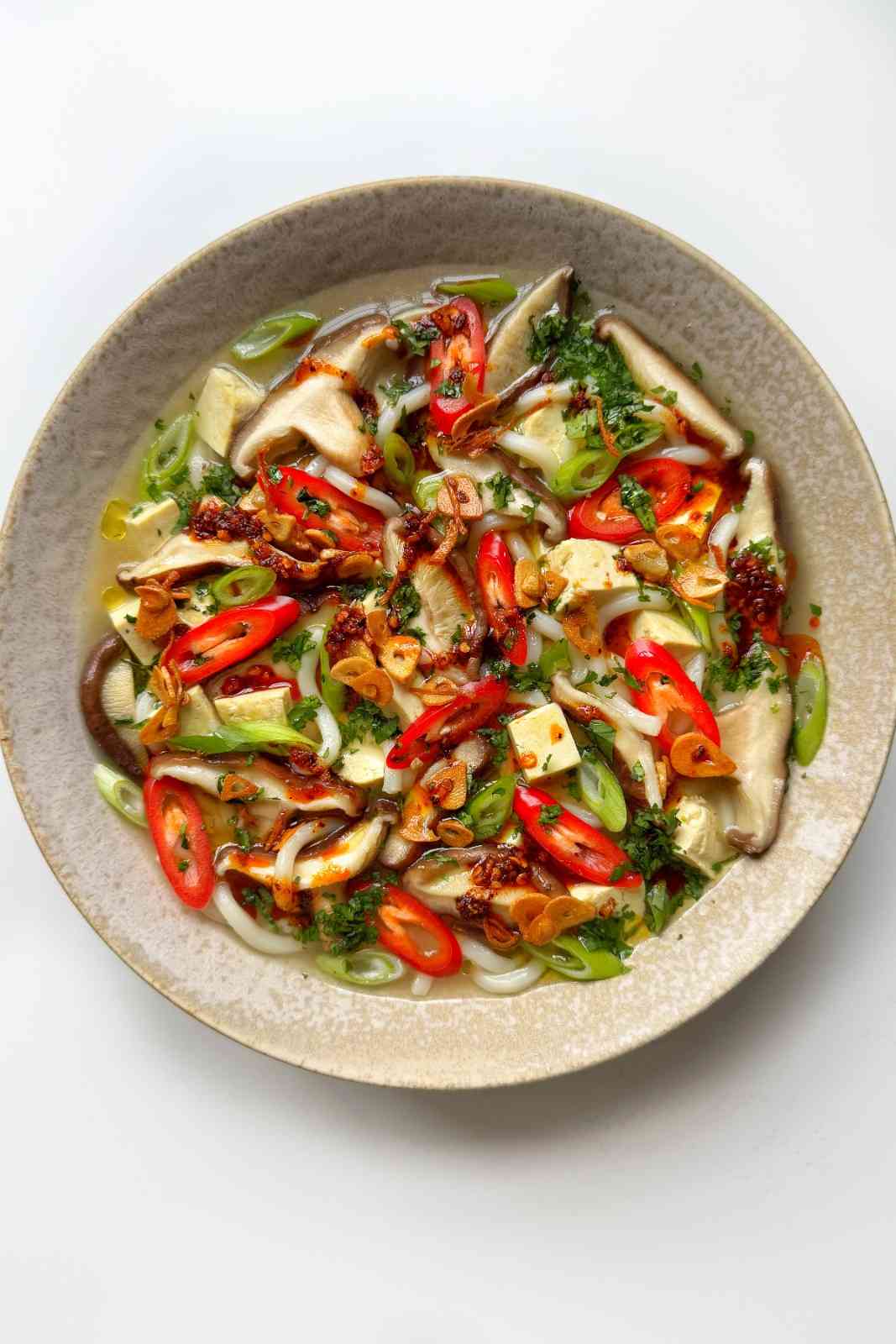
This is my comfort soup. The recipe builds a quick broth from white miso paste and vegetable stock, then I add shiitake mushrooms, soft silken tofu cubes (in place of the extra firm in the original - silken makes it gentler, more traditionally Japanese in feel), and optional udon noodles if I want a more substantial meal. The whole thing comes together in under 10 minutes, and what really pushes it over the edge is the homemade garlic and ginger oil garnish which is simmered until golden in a separate pan, then drizzled on top with cilantro, scallions, red chili, and chili oil. I genuinely make this on every rough day and it never fails to soothe me.
7. Korean-Style Chicken Stew (Silken Tofu Swap)
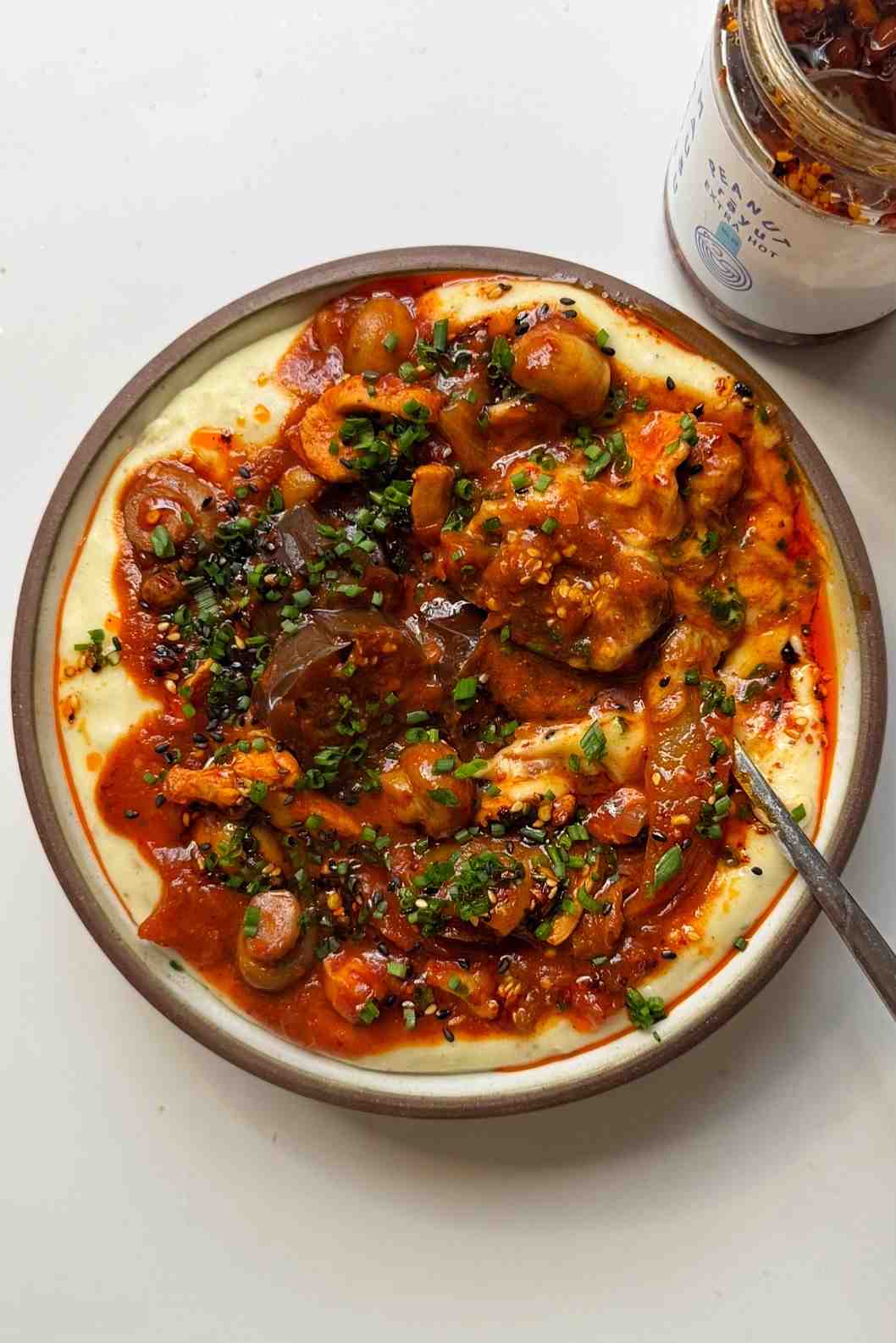
This one is the comforting Korean-inspired stew I'm most proud of from last winter. The original is a chicken jjigae-inspired braise with gochujang, garlic, ginger, kimchi, gochugaru flakes, soy sauce, and chicken stock, with aubergine, button mushrooms, and chicken breast. But the recipe works with silken tofu as a swap, either in place of the aubergine, or as a full vegetarian substitute for the chicken... and honestly, silken tofu in a fiery gochujang broth is one of the most comforting things I've ever eaten. Just add the silken tofu in the last 5 minutes so it warms through without falling apart. Served on silky mashed potato, garnished with chives and chili oil. Ready in around 45 minutes and one of my favorite winter dinners.
Tips for Cooking Silken Tofu Every Time
After making these recipes more times than I can count, here are the top things I wish someone had told me when I first started cooking with silken tofu:
- Don't press it. Unlike firm or extra firm tofu, silken tofu has way too much moisture and far too delicate a structure to survive being pressed. Just drain the liquid from the carton and use it as-is.
- Refrigerated vs. shelf-stable both work. I use both. Refrigerated silken tofu has a slightly fresher taste; shelf-stable cartons are usually 300g and brilliant for blended sauces because they tend to be a touch firmer when blended.
- Blend until it's the consistency of heavy cream. When you're using silken tofu as a creamy sauce, you really do want zero lumps. An immersion blender works fine, but a NutriBullet or high-speed blender does it best.
- Add silken tofu LAST when you're making a stew or soup. It only needs a few minutes to warm through, and the longer it sits in a hot pan, the more likely it is to break apart. 5 minutes before serving is the sweet spot.
- Don't boil hard once silken tofu is in the sauce. A gentle simmer keeps the texture silky. A rolling boil can cause the sauce to split, especially in dairy-free creamy applications.
- You can eat it uncooked: you don't have to get tofu to a certain temperature before eating it. Top with all your garnishes and consume cold. It's a great dish for a hot summers day!
- Season more than you think. Silken tofu is one of the mildest ingredients in any kitchen. It needs more salt, more umami, and more acid than you'd expect to taste properly seasoned. Trust the sauce, lean into the chili, don't be shy with the parmesan or soy.
If you make any of these silken tofu recipes, I'd love to hear how it went — leave a ⭐️ star rating and comment on any of the individual recipe pages, and tag me @myriadrecipes on Instagram or TikTok so I can see your creations. There's nothing I love more.
Save This For Later
For more globally-inspired weeknight recipes from my kitchen, you might also love my 12 Best Flatbread Recipes + Easy 2-Ingredient Dough for a no-fuss weeknight bake, my Sticky Ginger Aubergine for another vegan Asian main, or my Marry Me Chicken Ramen if it's a brothy bowl you're after. And if you'd like my full collection of cookbook-tested recipes, you can grab a copy of The World Is Your Dumpling - it's where my whole world-cuisine obsession really started!
FAQs
Silken tofu is the softest form of tofu, made by coagulating soy milk without pressing out the whey, which gives it a delicate, pudding-like texture. Unlike firm or extra firm tofu, it isn't strained or pressed, so it retains far more moisture and has a much more delicate structure. It's also extremely mild in flavor, which is why it works so brilliantly as a flavor sponge in sauces, soups, and creamy bowls.
Silken tofu is unpressed and very soft (like a panna cotta) while firm and extra firm tofu have been pressed to remove water, giving them a denser texture you can cube, slice, fry, or air-fry. Silken tofu is best for eating as is with toppings, creamy blended sauces, soups, and stews where you want a delicate spoon-able texture. Firm tofu is best for stir-fries, air-frying, and anywhere you need the tofu to hold its shape.
Yes, silken tofu is fully edible straight from the package and doesn't need to be cooked. In fact, chilled silken tofu topped with soy sauce, sesame oil, scallions, and chili oil is a classic Korean and Japanese cold side dish (hiyayakko). That said, gently warming it in a sauce or broth deepens the flavor and is how I use it in most of the silken tofu recipes in this roundup.
You can, but it's tricky because silken tofu's high water content and delicate texture mean it tends to fall apart in a hot pan. If you really want a crispier exterior, gently coat slices in cornstarch first and pan-fry with a light touch in plenty of oil. Honestly though, I almost always prefer to either blend silken tofu into a creamy sauce, or use it whole in a saucy stew where its softness is the whole point. For frying, extra firm tofu is the right tool for the job.
Unopened silken tofu lasts until the date on the package while shelf-stable cartons typically several months, refrigerated tubs around 2–3 weeks. Once opened, transfer leftover silken tofu to an airtight container, cover with fresh water, and store in the fridge for up to 3 days, changing the water daily for the best flavor. I'd avoid freezing silken tofu... the texture becomes grainy and spongy after thawing, which defeats the whole point of using silken in the first place.
For blended sauces, you can technically swap silken tofu for soft tofu (the texture will be slightly less smooth) or even extra firm tofu blended with a splash of water (though the result won't be quite as silky). For soups and stews, soft tofu is the closest swap.
7 Easy Silken Tofu Recipes (Including Viral Mapo Udon)
Ingredients
- 7 Easy Silken Tofu Recipes (Including Viral Mapo Udon)
Instructions
- Browse all of my silken tofu recipes further up in the blog and pick any you'd like to make.
- Follow the recipe and create your preferred silken tofu recipe.
- Serve up with any sides you like and enjoy!
Nutrition
More Recipes You Might Like
Always see my recipes in Google
One tap adds Myriad Recipes to your preferred sources, so my recipes show up more often when you're hunting for dinner ideas.

Leave a Reply