
Korean food is hands down one of my favorite cuisines to cook. Smoky, spicy, fermented, sweet, salty all in the same bite, and the kind of layered flavor that makes you put down your fork halfway through a mouthful and just go "…wow, that's good." I've spent years building up a collection of Korean-inspired recipes I cook in my own kitchen, and these are the 17 best Korean dishes I keep coming back to: from a viral bulgogi cheesesteak to a quick dumpling tteokbokki bake, a fluffy gochujang pork steamed bun to one of my most-requested recipes, my Korean rice balls (jumeokbap).
A quick note before we dive in: I'm not Korean, and I'm not pretending these are traditional Korean recipes. Most of what's in this roundup is Korean-inspired: dishes I've built using gochujang, gochugaru, kimchi, and sesame oil that I love and cook regularly at home. I've read Korean cookbooks, Korean fiction books, watched documentaries, and been to a load of Korean restaurants to deepen my understanding on Korean cuisine. A few of the recipes lean closer to traditional (like my Korean rice balls - jumeokbap, kimchi dumplings - mandu, street food sandwich - Gilgeori toast, or Korean kimchi pancake - Kimchijeon); a few of them are unapologetic fusion (gochujang gnocchi lasagne or bulgogi cheesesteak sandwich). Either way, every single one has been tested in my kitchen multiple times before being shared.
If you're new here, hi! I'm Emily, a published cookbook author, former restaurant chef, and the person behind Myriad Recipes. Korean cooking has been a big part of my last few years of recipe development, and I really hope you find a new go-to in this list.
Jump to:
- What Makes Korean Cooking So Good? (The 5 Pillars)
- My Korean Dishes Cheat Sheet
- Quick Korean Weeknight Dinners
- Korean Comfort Bakes & Stews
- Korean Dumplings & Steamed Buns
- Korean Snacks & Street Food
- Korean Sides & Salads
- A Korean-American Fusion Favorite
- My Golden Rules for Cooking Korean Dishes at Home
- Korean Pantry: What to Buy First
- Make-Ahead, Storage & Reheating Tips
- Final Thoughts
- Looking For More Korean Inspiration?
- FAQs
- 17 Best Korean Dishes: From Bulgogi to Tteokbokki Bakes
- More Recipes You Might Like
What Makes Korean Cooking So Good? (The 5 Pillars)
Before we get into the 17 best Korean dishes, I want to talk quickly about why the recipes below actually work, because once you understand the building blocks, every single recipe in this list becomes a hundred times easier to riff on. After years of cooking Korean-style food at home, I've boiled it down to five important pillars.
- Gochujang. A thick, deeply savory Korean fermented red pepper paste made from chili, glutinous rice, and soybeans. It's spicy, sweet, salty, and umami all at once. If you only buy one Korean ingredient, make it this. I have a tub of it in my fridge at all times.
- Gochugaru. Korean red pepper flakes. They're milder and smokier than regular crushed chili flakes, and they bring color and a gentle warmth rather than blow-your-head-off heat. Don't sub regular chili flakes 1:1 (use half the amount if you have to).
- Kimchi. Fermented Napa cabbage with garlic, ginger, scallions, and gochugaru. It adds tang, funk, and that beautiful sour-spicy crunch. It's also a fantastic shortcut for adding huge depth to a dish in seconds.
- Sesame Oil & Toasted Sesame Seeds. The nutty, toasty finishing note in almost every Korean recipe. A drizzle at the end transforms a dish.
- The Sweet/Salty/Umami Balance. Almost every Korean sauce I make has all four: a salty element (soy sauce), a sweet element (sugar or honey), an umami one (gochujang or fish sauce), and an acidic one (rice wine vinegar or kimchi). Get those four working together and you've got a Korean-style sauce.
Get those five right and almost any vegetable, protein, or carb in your fridge becomes a Korean-style dinner. Honestly.
My Korean Dishes Cheat Sheet
If you've scrolled this far because you can't decide what to cook tonight, here's a quick-reference cheat sheet to help you pick the right Korean dish for the right occasion. Every single one is linked to its full recipe further down the post.
| Korean Dish | Type | Best For... | Effort (1–5) |
|---|---|---|---|
| 1. Bulgogi Fried Rice | Weeknight rice bowl | Leftover rice nights | 2 |
| 2. Korean-Style Chicken Stew | Comforting stew | Cold winter dinners | 3 |
| 3. Dumpling Tteokbokki Bake | One-pan tray bake | Fuss-free weeknights | 1 |
| 4. Bulgogi Cheesesteak | Korean-American fusion | Lunch-time sandwich | 3 |
| 5. Korean Rice Balls (Jumeokbap) | Snack / lunchbox | Meal-prep lunches | 2 |
| 6. Kimchi Tofu Dumplings (Mandu) | Dumplings | Weekend project | 4 |
| 7. Korean Gilgeori Toast | Street food sandwich | Weekend brunch | 2 |
| 8. Korean-Style Butter Beans | Quick veggie dinner | 15-minute meals | 1 |
| 9. Kimchijeon Traybake | Savory bake | Easy meal prep | 1 |
| 10. Gochujang Pork Steamed Bun | Steamed bun | Fun weekend cook | 3 |
| 11. Gochujang Eggplant Skewers | Veggie main | Quick & impressive | 2 |
| 12. Buldak Fire Cabbage | Vegetarian centerpiece | Cozy nights in | 2 |
| 13. One Pot Spicy Gochujang Lasagne | Korean-Italian fusion | Batch cooking | 2 |
| 14. Gnocchi Lasagne with Gochujang | Comfort food fusion | Dinner party | 3 |
| 15. Gochujang Onigiri | Rice snack | Lunch on the go | 2 |
| 16. Gochujang Feta Pastries | Snack / appetizer | Party food | 2 |
| 17. Spicy Cucumber Salad | Side dish | 5-minute side | 1 |
Now let's actually get into the Korean dishes. I've broken them up by type so you can find exactly what you're in the mood for.
Quick Korean Weeknight Dinners
These are the Korean dishes I cook the most often: all under 30 minutes, all built around pantry staples, and all the kind of dinner I make when I get in from a long day and want something interesting on the table fast.
1. Bulgogi Fried Rice
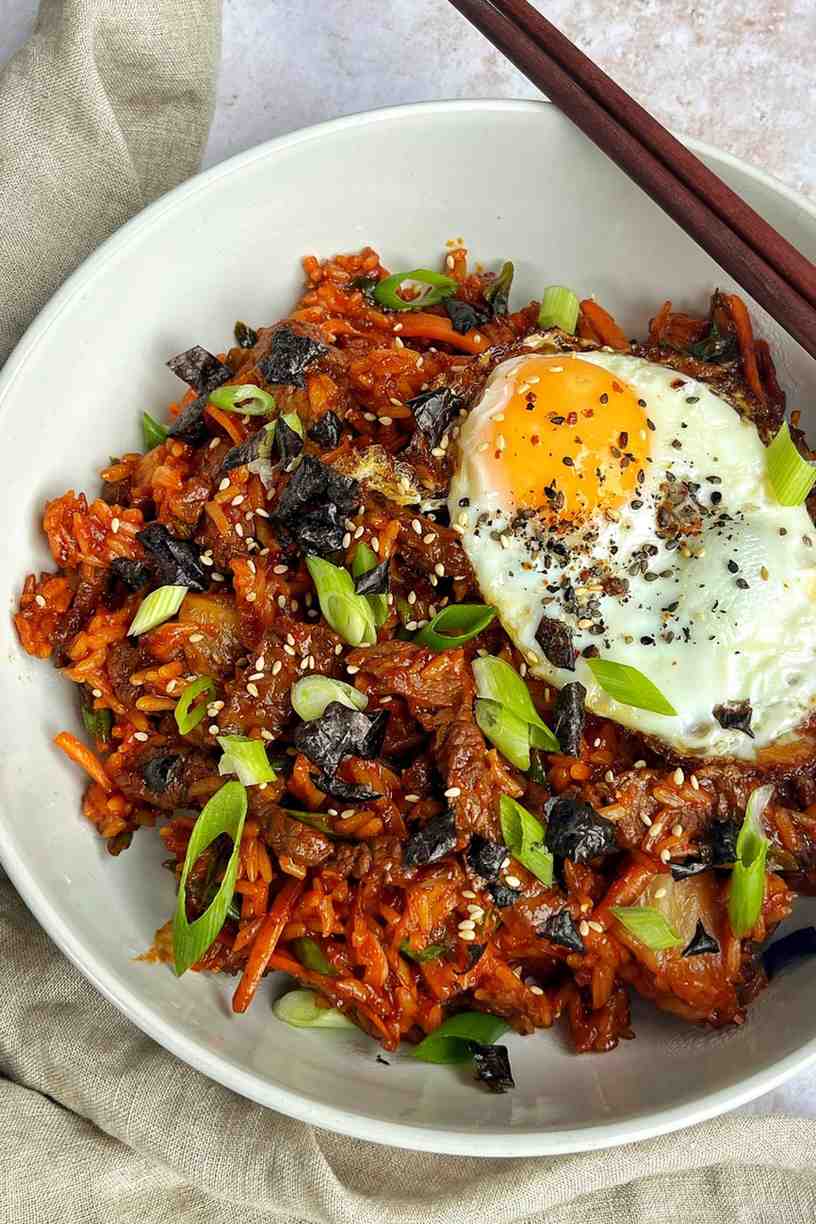
This is one of my all-time favorite Korean dishes to cook on a weeknight. My Bulgogi Fried Rice takes leftover or microwave jasmine rice, thinly sliced fillet steak marinated in a sweet-savory bulgogi-style marinade (light soy sauce, brown sugar, rice wine vinegar, grated apple, garlic, ginger, black pepper) and stir-fries the lot together with kimchi, julienned carrot, gochujang, and gochugaru flakes. Top with a fried egg and ripped sheets of nori and you've got a 30-minute dinner that hits every note.
My top tip: Grate a sweet apple into the marinade. Traditional bulgogi uses Asian pear to tenderize the beef, but apple does almost the same job and is much easier to find in a grocery store. The fruit's natural enzymes break down the proteins so the beef stays melt-in-your-mouth tender even when you stir-fry it on high heat. I know it sounds odd, but trust me, it's delicious.
Why you'll love it: It's sweet, spicy, savory, deeply umami, and built around stuff you probably already have in the fridge.
2. Korean-Style Butter Beans
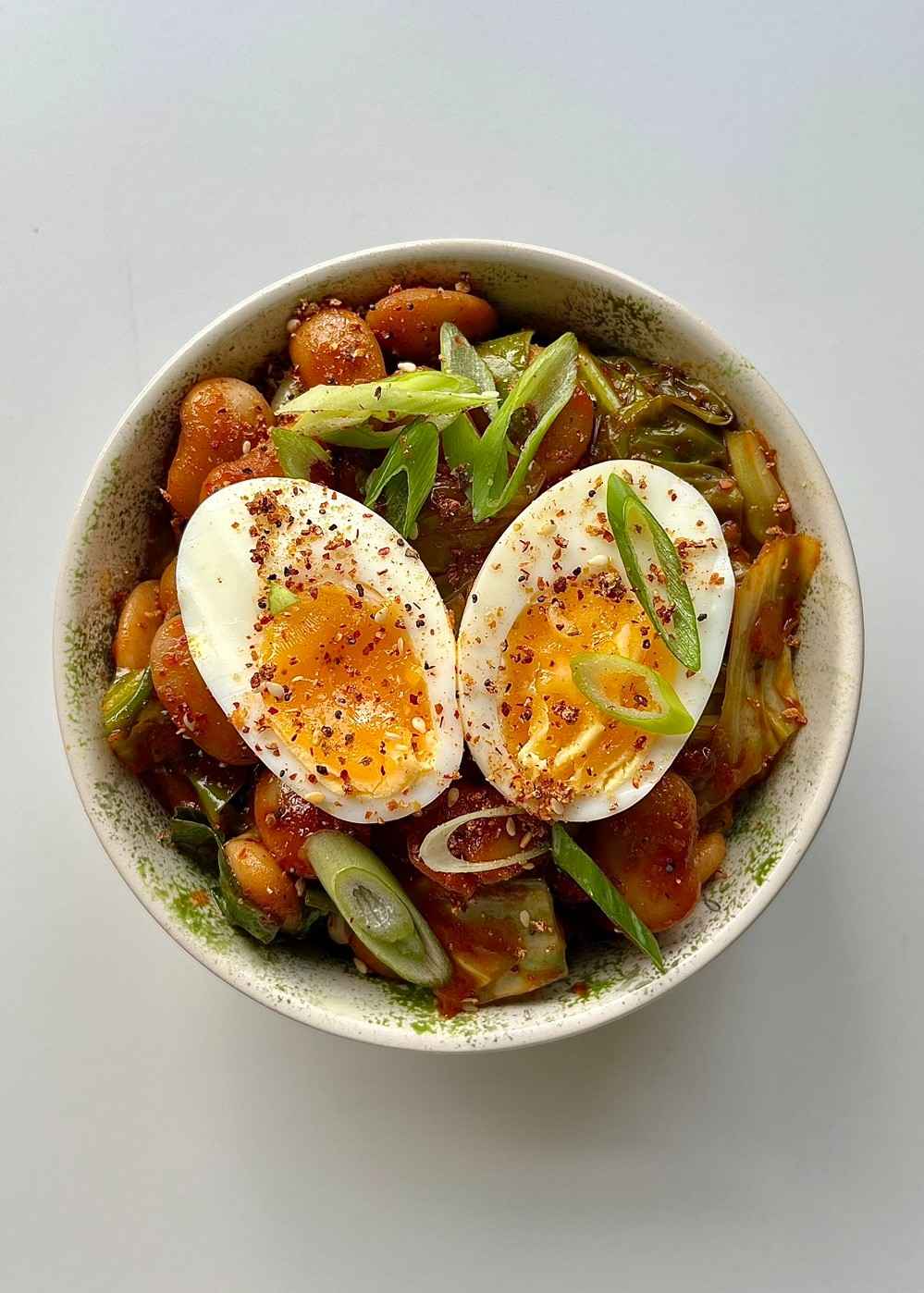
If I had to pick the easiest Korean dish on this entire list, it'd be these Korean-Style Butter Beans. The whole recipe takes less than 15 minutes: you make a quick gochujang-soy-sesame-fish stock-sugar sauce in a pan, add butter beans and chopped cabbage, and serve over rice with a soft-boiled egg and sliced scallions. That's it. It's vegetarian-leaning (just swap the fish stock cube for veggie or chicken), genuinely satisfying, and proves that a great Korean-inspired dinner doesn't have to be complicated.
Why you'll love it: It's pantry-friendly, ready in 15 minutes, and the soft-boiled egg yolk running into the spicy sauce is seriously good.
3. Dumpling Tteokbokki Bake
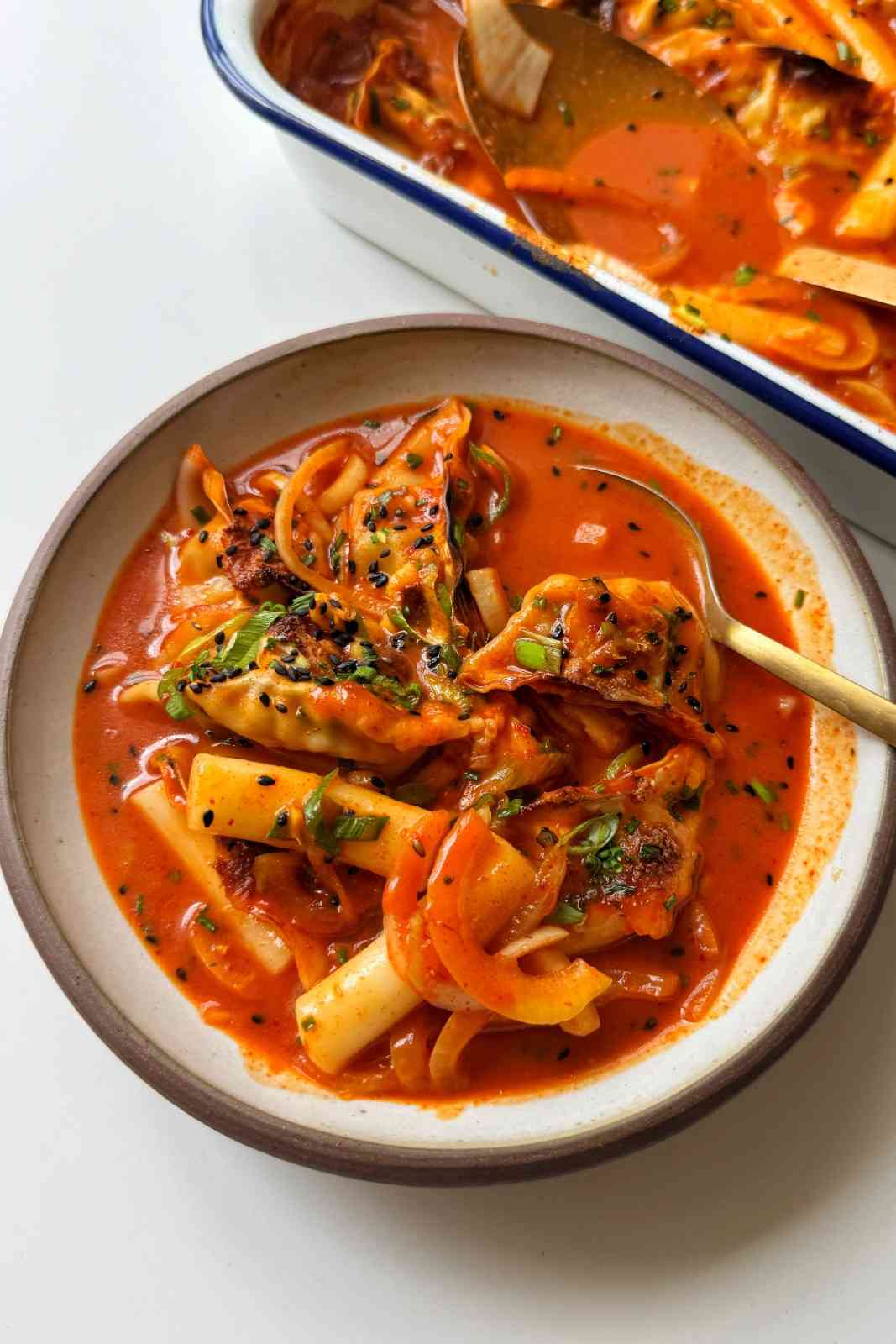
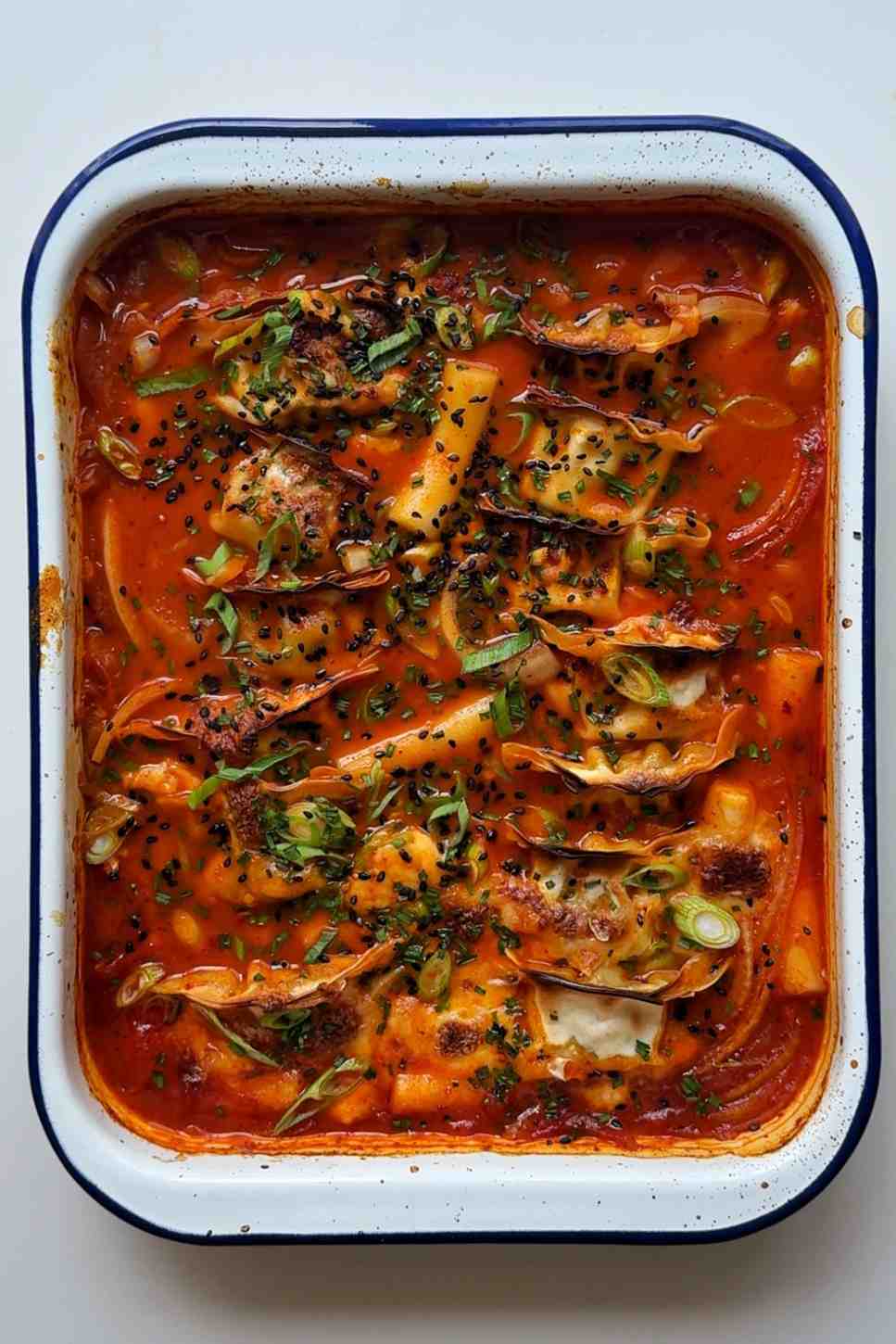
Tteokbokki is one of the most popular Korean street foods of all time, and my Dumpling Tteokbokki Bake is my one-pan, oven-baked version with a fun twist: I add frozen dumplings alongside the chewy Korean rice cakes (tteok). You whisk together chicken stock, gochujang, soy sauce, sugar, gochugaru, sesame oil, garlic, ginger, and onion in a baking tray, nestle in the rice cakes and frozen dumplings, top with mozzarella, and bake for 15 minutes (then optionally grill for 5 more for crispy dumpling tips). Genuinely very hands-off cooking!
My top tip: Let the tips of the dumplings poke above the surface of the sauce. When you stick the tray under the grill at the end, those exposed tips go properly crispy and golden while the bottoms stay soft and saucy from braising in the sauce. It gives you two completely different textures in every bite, which is honestly what makes this dish.
Why you'll love it: It's all made in one pan, almost no chopping, melty cheese, chewy rice cakes, juicy dumplings, and a properly spicy-sweet sauce.
4. Kimchijeon Traybake (Korean Kimchi Pancake Bake)
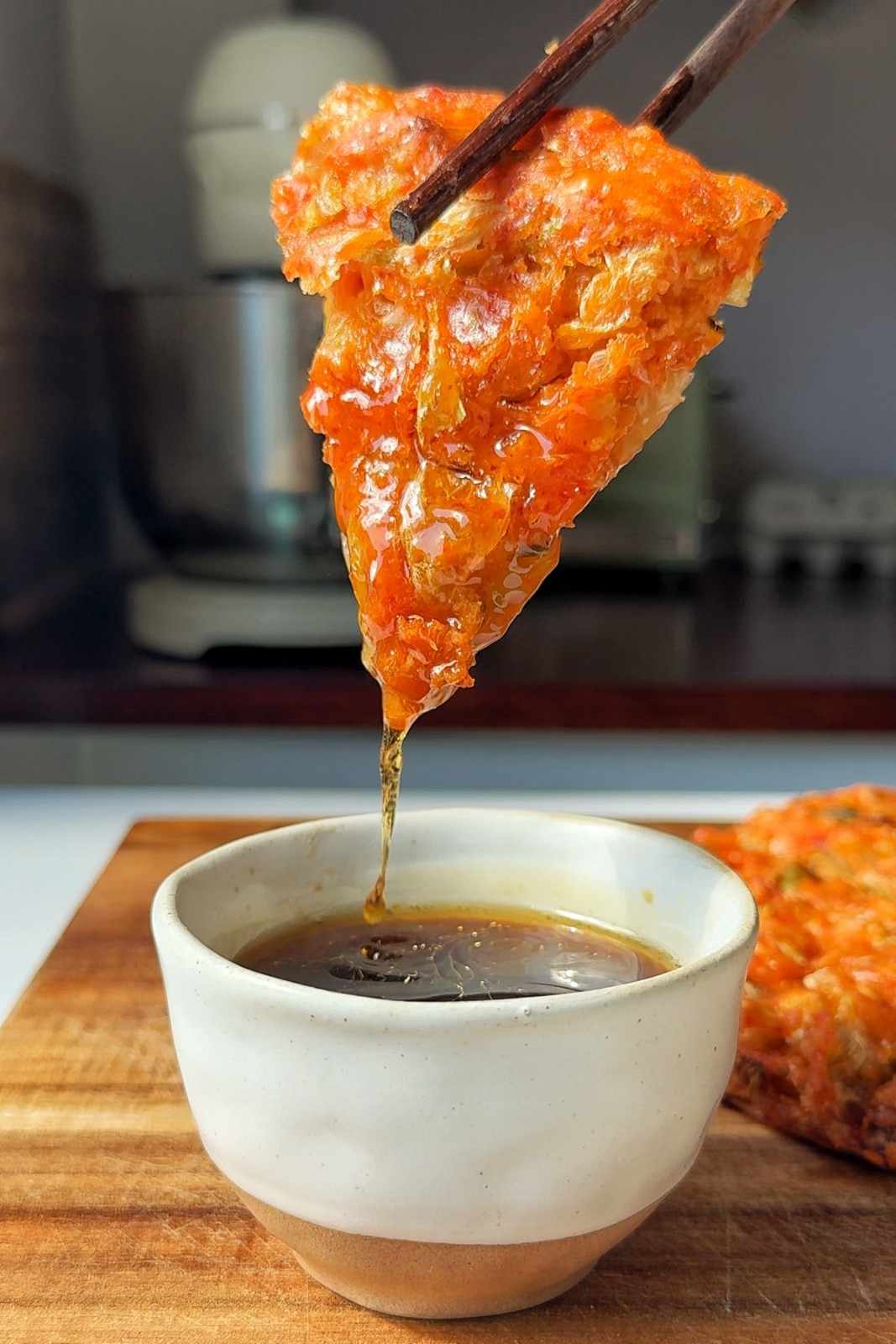
Traditional kimchijeon is a Korean savory pancake fried in a pan, but my Kimchijeon Traybake takes the same all-purpose flour + kimchi + scallion + water + sugar batter and bakes it in an 8-inch round cake tray that you've preheated in the oven with a couple of tablespoons of vegetable oil. The hot oil gives you genuinely crispy edges, the middle stays soft, and you slice it into 6 pieces and serve with a quick soy sauce, rice wine vinegar, sesame oil, sugar, water dipping sauce. Total cook time is only 20 minutes.
My top tip: Preheat your tray with the oil for a few minutes before adding the batter. The oil needs to be properly hot and shimmering so that the moment the batter hits, it starts frying and crisping at the edges. If you skip this step, you'll get a flat, soggy pancake instead of one with that lovely golden crust.
Why you'll love it: It's crispy-edged, soft-centered, ready in under 30 minutes, and brilliantly low-effort for a flavor-packed meal.
5. One Pot Spicy Gochujang Lasagne
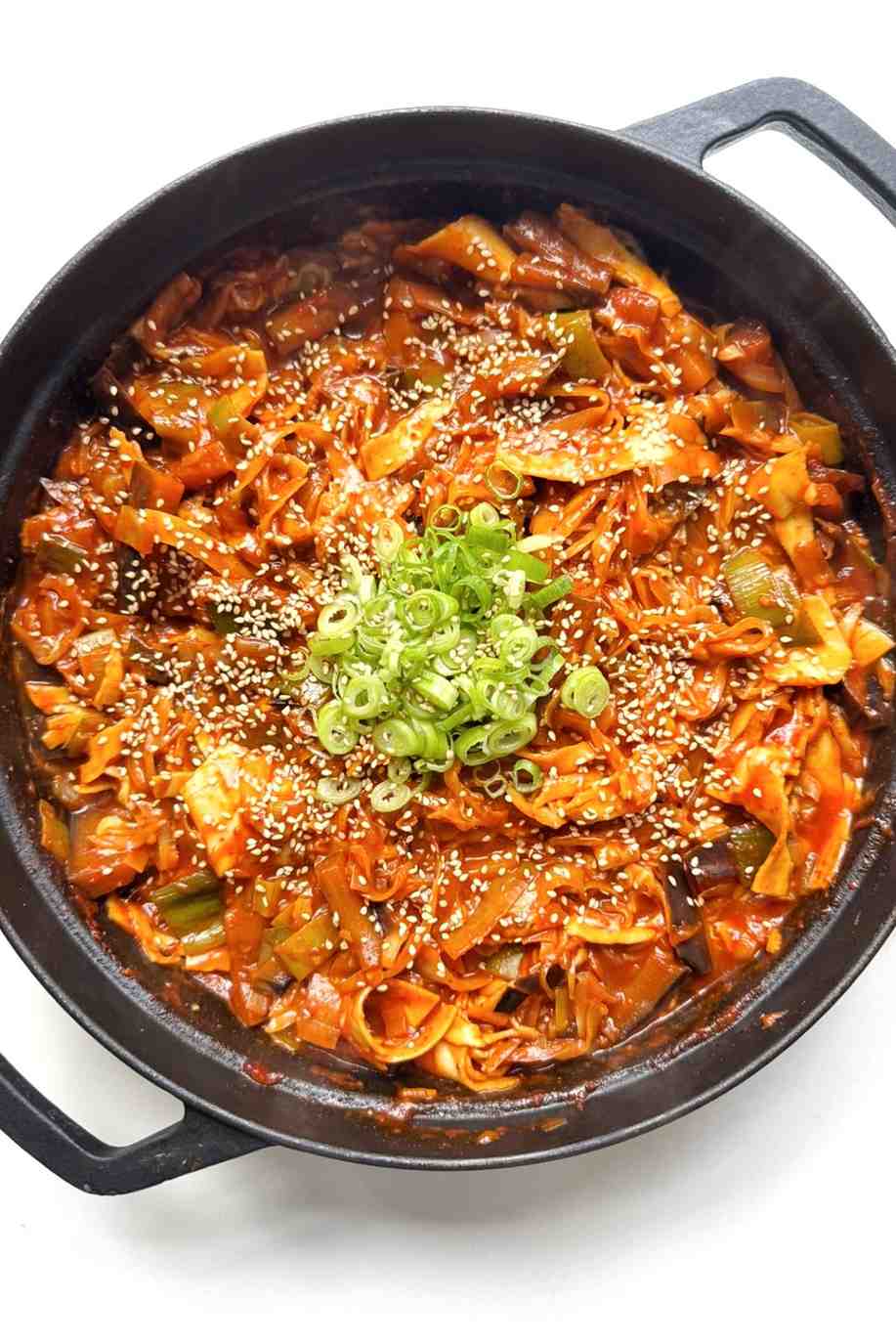
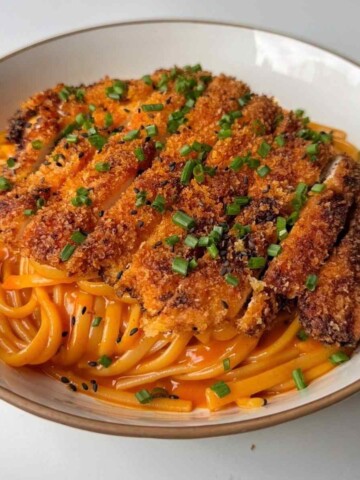
If you love the spicy-sweet sauce of tteokbokki but you want something that feels a bit more filling, my One Pot Spicy Gochujang Lasagne is the recipe. We swap the rice cakes for broken lasagne sheets and build a sauce of gochujang, gochugaru flakes, ketchup, honey, and soy sauce on a base of softened leek, white cabbage, and eggplant. Add veggie stock, simmer the pasta sheets right in the sauce, top with mozzarella, and finish with scallions and sesame seeds. It's genuinely comforting and made entirely in one deep-base pan. If you'd rather have your gochujang pasta creamy, my Korean fried chicken pasta simmers linguine in a gochujang cream sauce and tops it with a crispy panko chicken cutlet.
My top tip: Break the lasagne sheets into roughly two-inch pieces before adding them to the sauce. Smaller pieces cook more evenly and don't clump together the way whole sheets do. Stir the pan once after the lid comes off and you'll get pasta that's properly coated in sauce instead of a stuck-together brick.
Why you'll love it: It's all made in one pan (we love one pan dishes!), deeply satisfying, comforting, and proof that gochujang plays unbelievably well with pasta.
Korean Comfort Bakes & Stews
These are the Korean dishes I make when the weather turns cold and I want something hot, hearty, and bubbling. They take a little more time, but they reward you tenfold.
6. Korean-Style Chicken Stew
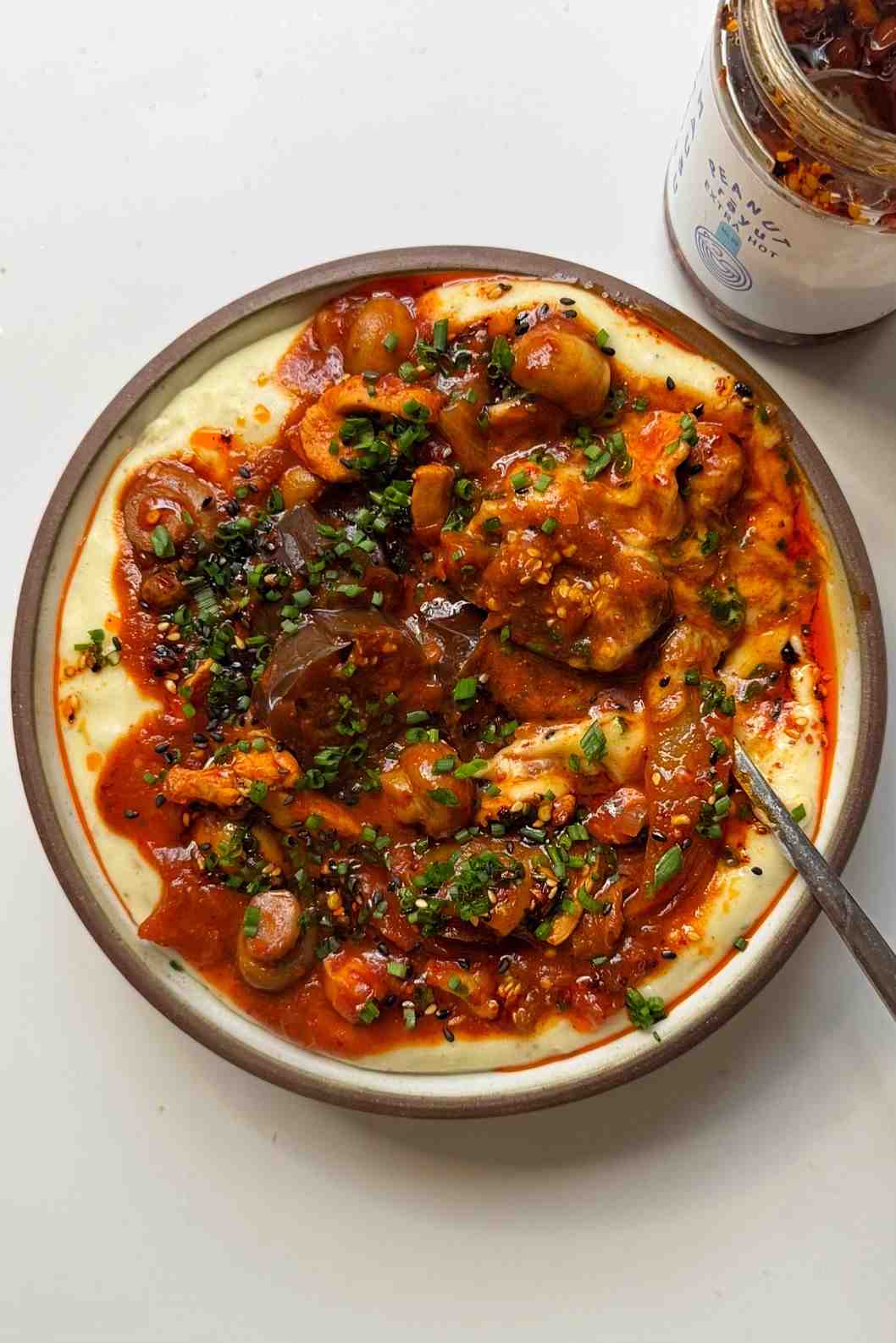
My Korean-Style Chicken Stew is loosely inspired by dakdoritang (a traditional Korean braised chicken-and-potato stew), but I've put my own twist on it by serving it on a bed of silky mashed potato instead of cooking the potatoes inside the stew. The chicken is thinly sliced and simmered with eggplant, button mushrooms, kimchi, gochujang, gochugaru flakes, soy sauce, rice wine vinegar, and chicken stock. It's the kind of dish I cook every November when the weather turns.
My top tip: Sprinkle a tablespoon of flour into the simmering sauce before you add the chicken. It thickens the broth into something almost gravy-like, which means the sauce clings to the mashed potato instead of running off it.
Why you'll love it: It's a super comforting Korean dish, deeply spicy-savory, and the silky mash with the gochujang-stewed chicken is seriously a 10/10 combo.
7. Buldak Fire Cabbage (Roasted Cabbage Wedges)
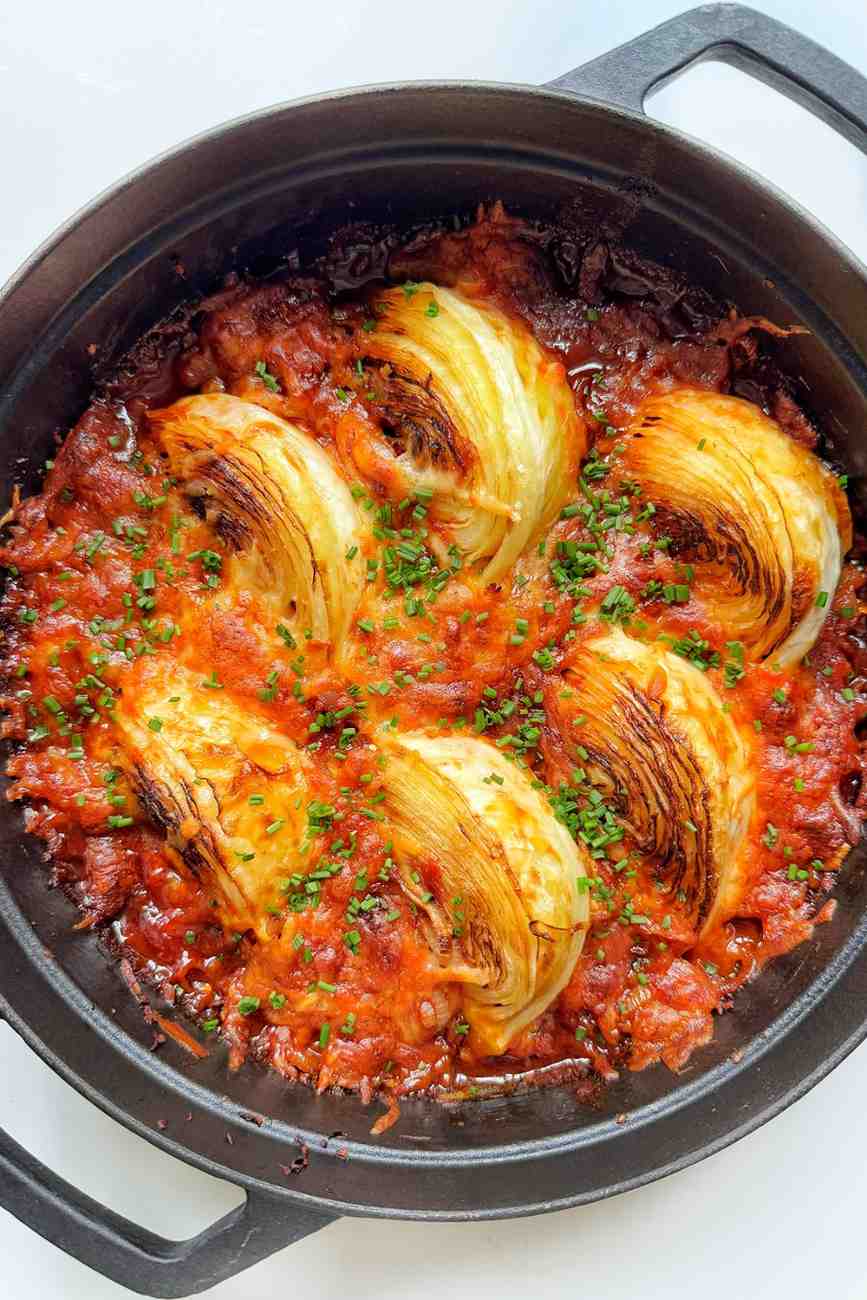
The original buldak (literally "fire chicken") is one of the most beloved spicy Korean dishes out there, and my Buldak Fire Cabbage is my vegetarian take on it. You char wedges of white cabbage in a hot oven-proof pan, fry shallots, garlic, and ginger, then build a sauce of gochujang, gochugaru, soy sauce, sesame oil, honey, and vegetable oil. Lay the cabbage wedges back in, fill the gaps with the shallot mixture, spoon the sauce between the wedges, top with mozzarella, and roast for 45 minutes. I serve mine with rice and a fried egg.
My top tip: Fry the cabbage wedges flat-side down for a full 5 minutes before they go anywhere near the oven. That hard char on the cut side is what gives the dish its smoky, almost-grilled flavor. If you skip this step and go straight to the oven, you'll end up with steamed cabbage instead of properly caramelized wedges.
Why you'll love it: This dish is a genuinely impressive vegetarian centerpiece that costs very little to make.
8. Gnocchi Lasagne with Gochujang
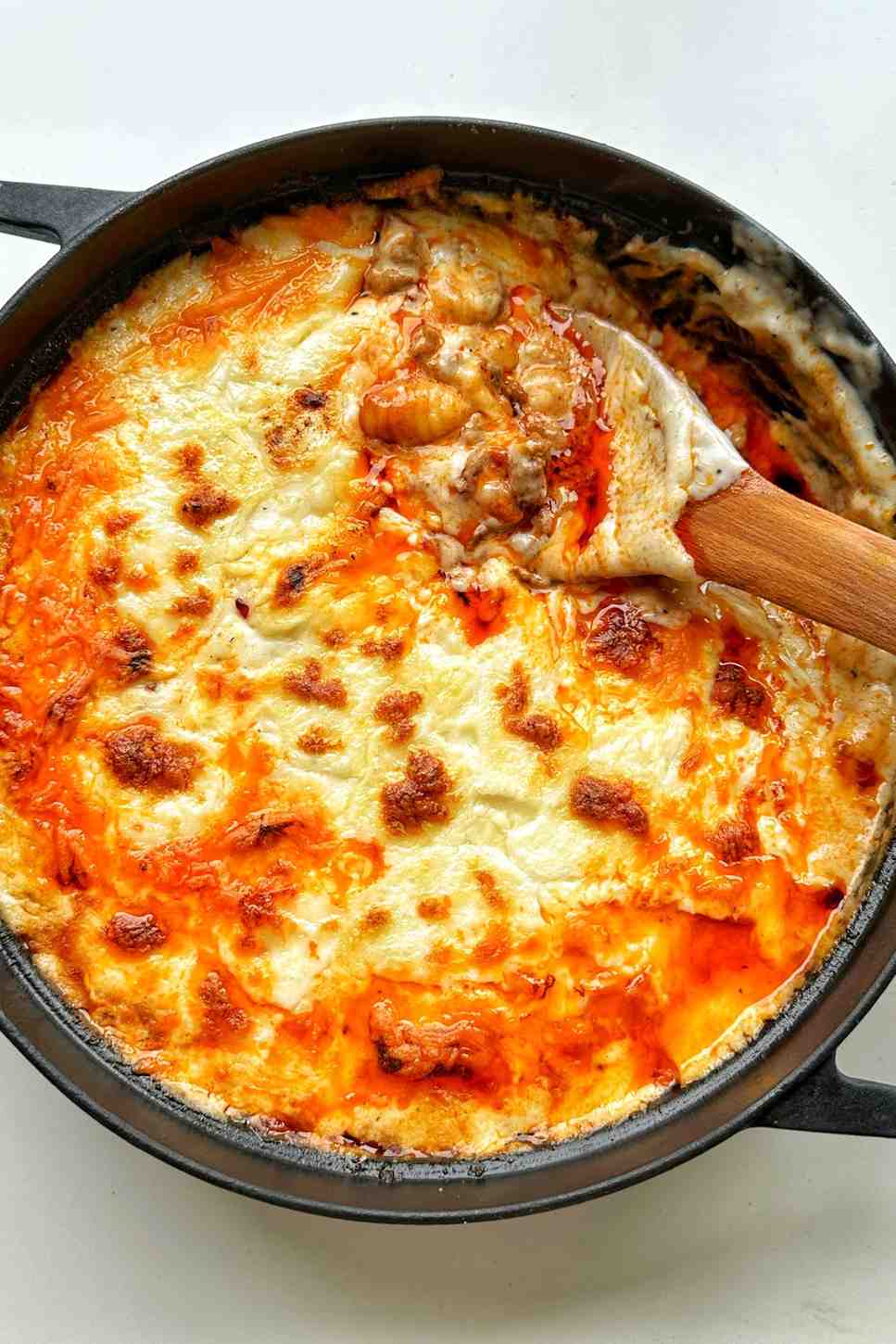
This is one of my new favorite comfort foods. My Gnocchi Lasagne with Gochujang lands somewhere between an Italian lasagne and a bowl of gochujang gnocchi, and everyone I've cooked it for has gone back for seconds. You make a gochujang ragu with ground beef (20% fat), red onion, garlic, scallions, paprika, sugar, gochujang, tomato paste, tinned tomatoes, and stock. Stir in store-bought gnocchi, pour over a simple béchamel (butter, flour, milk, cheddar, parmesan), top with cheddar and torn mozzarella, and bake for 30 minutes until bubbling.
My top tip: Whisk your milk into the béchamel slowly, in stages. Don't dump it all in at once. Add a splash, whisk until smooth, then add another splash. This is the difference between a silky cheese sauce and a lumpy one. Patience here pays off massively.
Why you'll love it: It's oh so comforting, cheesy, spicy, creamy, the kind of dinner that makes you put your phone down and actually focus on eating.
Korean Dumplings & Steamed Buns
I wrote a whole cookbook on dumplings, so I'd be remiss to not include the Korean ones I love most. These two are absolute favorites of mine.
9. Kimchi Tofu Dumplings (Korean Mandu)
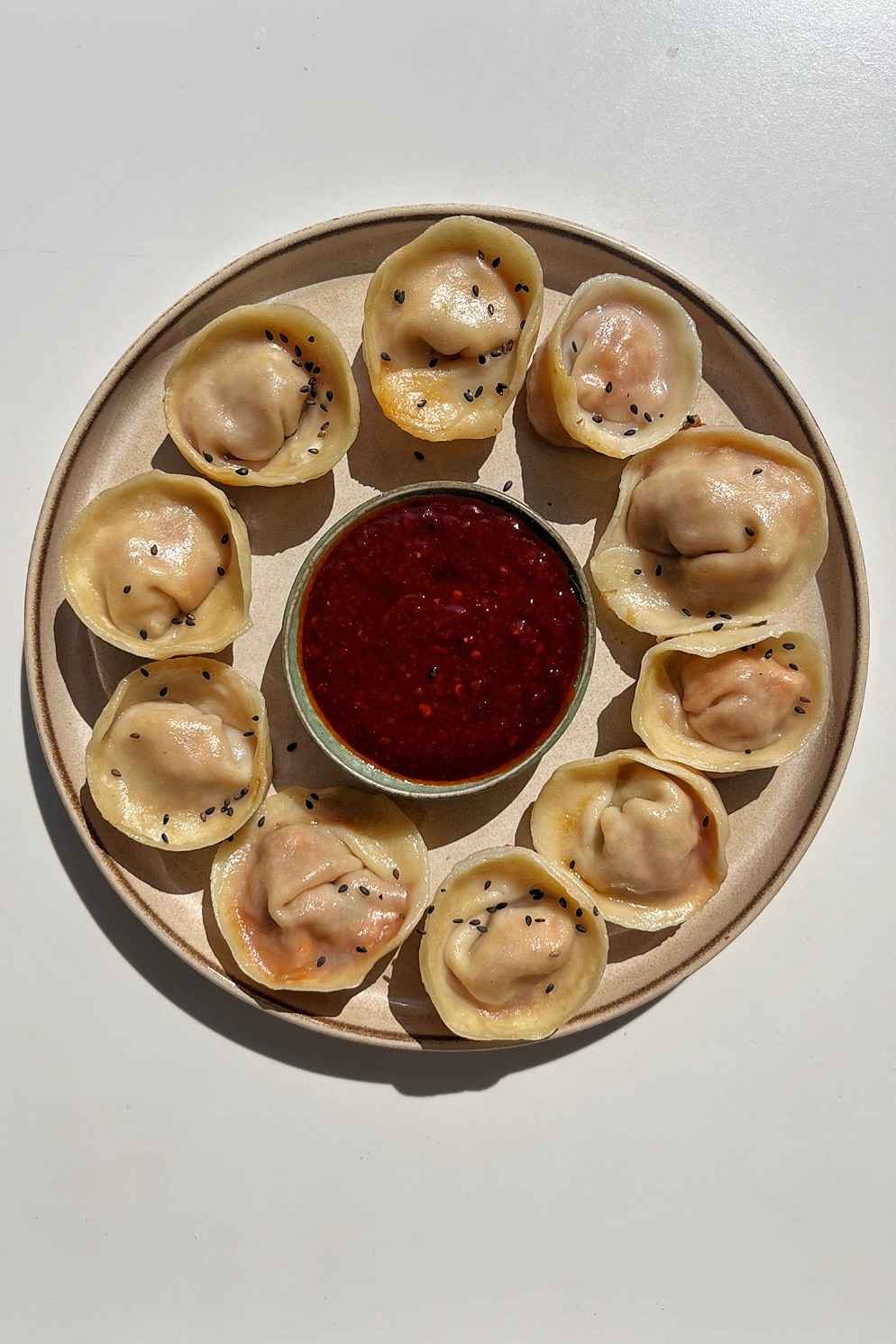
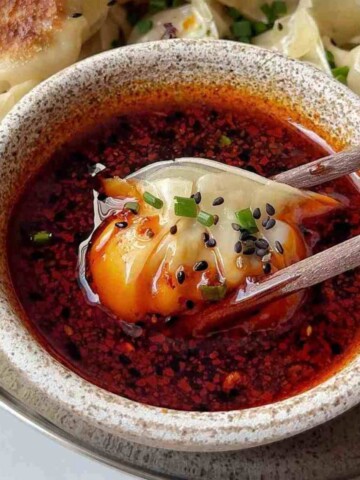
My Kimchi Tofu Dumplings (loosely inspired by Korean mandu) are some of my favorite vegan dumplings. The dough is just plain flour and water, and the filling is crumbled firm tofu mixed with kimchi, garlic, ginger, light soy sauce, sesame oil, sugar, gochujang, and ketchup. I pan-steam mine to get a crispy bottom and a juicy interior, and serve with a spicy gochujang-gochugaru-chili oil dipping sauce. They're vegan (use plant-based kimchi) and they freeze brilliantly for batch cooking.
My top tip: Squeeze the moisture out of your tofu and your kimchi before you mix the filling. Wet filling = dumplings that fall apart and burst open in the pan. If it's still looking very moist, then add 1 or 2 tablespoon of flour and give it all a good mix so it soaks up the excess liquid.
Why you'll love it: it's vegan, freezer-friendly, satisfying to fold, and the spicy dipping sauce is genuinely addictive.
10. Gochujang Pork Steamed Bun
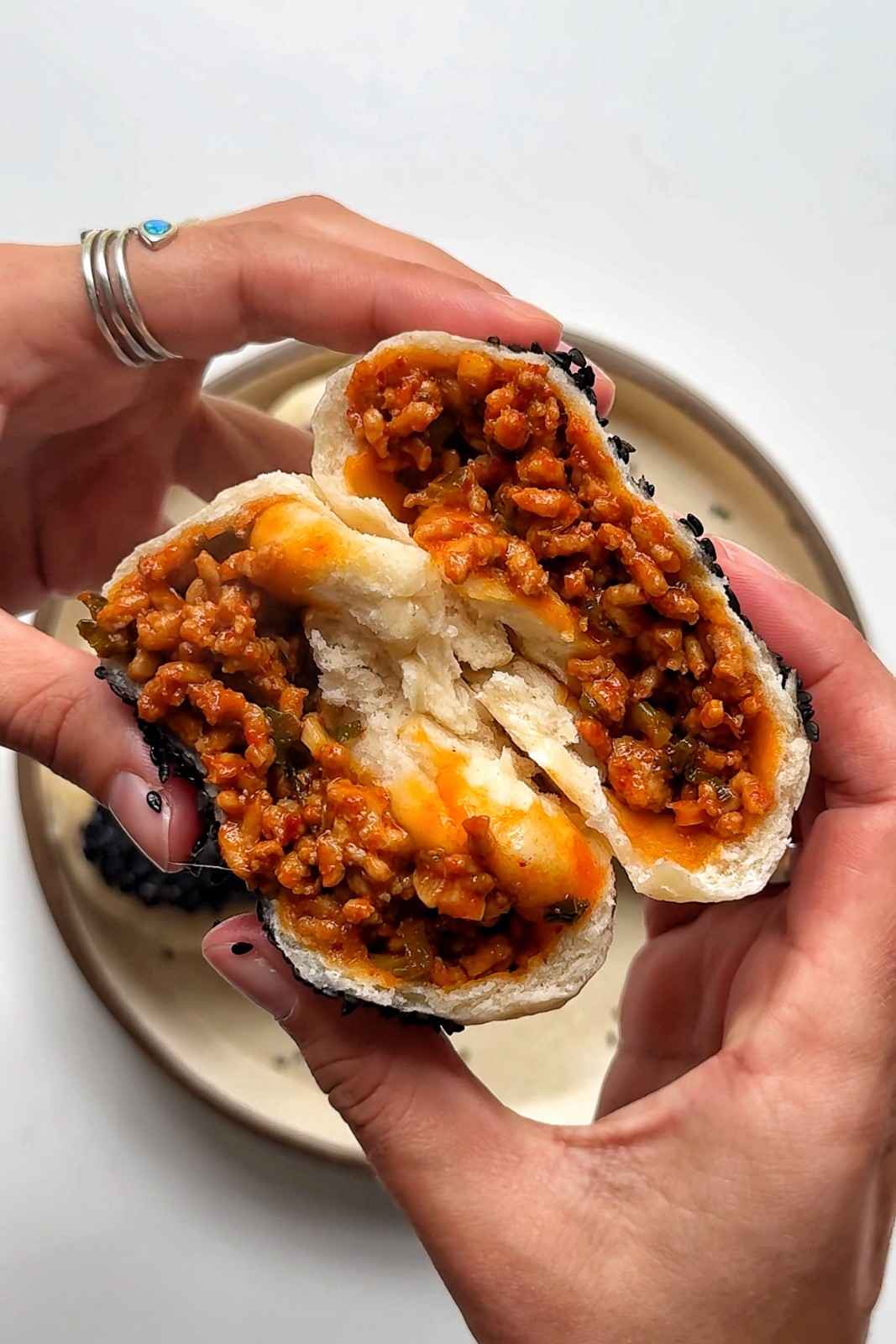
These Gochujang Pork Steamed Buns use my 2-ingredient cheat dough (self-raising flour + plain yogurt, the same dough I use for my Cheat Bao Recipe) so the whole thing comes together in 30 minutes instead of the 3-hour fermented dough you'd traditionally use. The filling is spicy ground pork cooked down with scallions, garlic, ginger, soy sauce, gochujang, sugar, sesame oil, rice wine vinegar, and gochugaru flakes. Simply brush the tops with vegetable oil, dunk in black sesame seeds, and steam for 15 minutes until fluffy.
My top tip: Place each bun on its own little square of parchment paper before you put it in the steaming basket. This stops them from sticking to the steaming basket (which is the most heartbreaking thing in the world after 30 minutes of work) and lets you lift each one out cleanly with a pair of tongs. Cut the parchment squares slightly larger than the bun base.
Why you'll love it: They're fluffy, spicy, filling, and genuinely fun to make from scratch on a Sunday afternoon.
Korean Snacks & Street Food
This is where Korean food gets really exciting. Korean street food has become its own global phenomenon, and these four are the snacks I keep going back to in my own kitchen.
11. Korean Rice Balls (Jumeokbap)
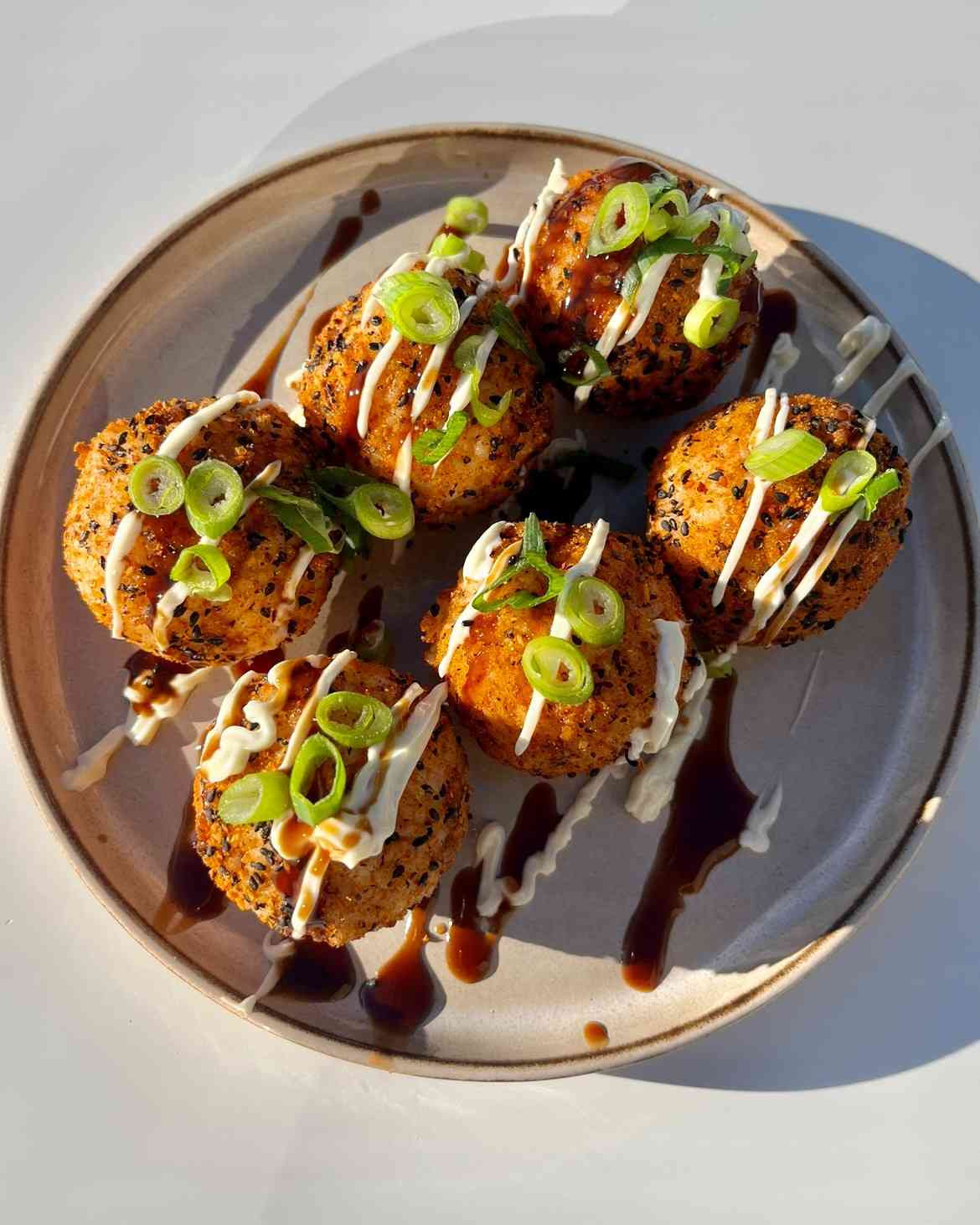
This is one of my most popular recipes. Korean Rice Balls (Jumeokbap) are sushi rice seasoned with sesame oil, sugar, and salt (very different from Japanese onigiri, which uses rice wine vinegar), filled with a tuna-mayo-kimchi-pepper-garlic mixture, shaped into balls, then rolled in togarashi seasoning and black sesame seeds. Drizzle with mayo and optional tonkatsu sauce, scatter with scallions, and you've got the perfect lunchbox snack that makes 7 to 9 rice balls per batch.
Why you'll love it: It's lunchbox-friendly, customizable (vegan and meat fillings included in the recipe), and genuinely fun to shape.
12. Korean Gilgeori Toast
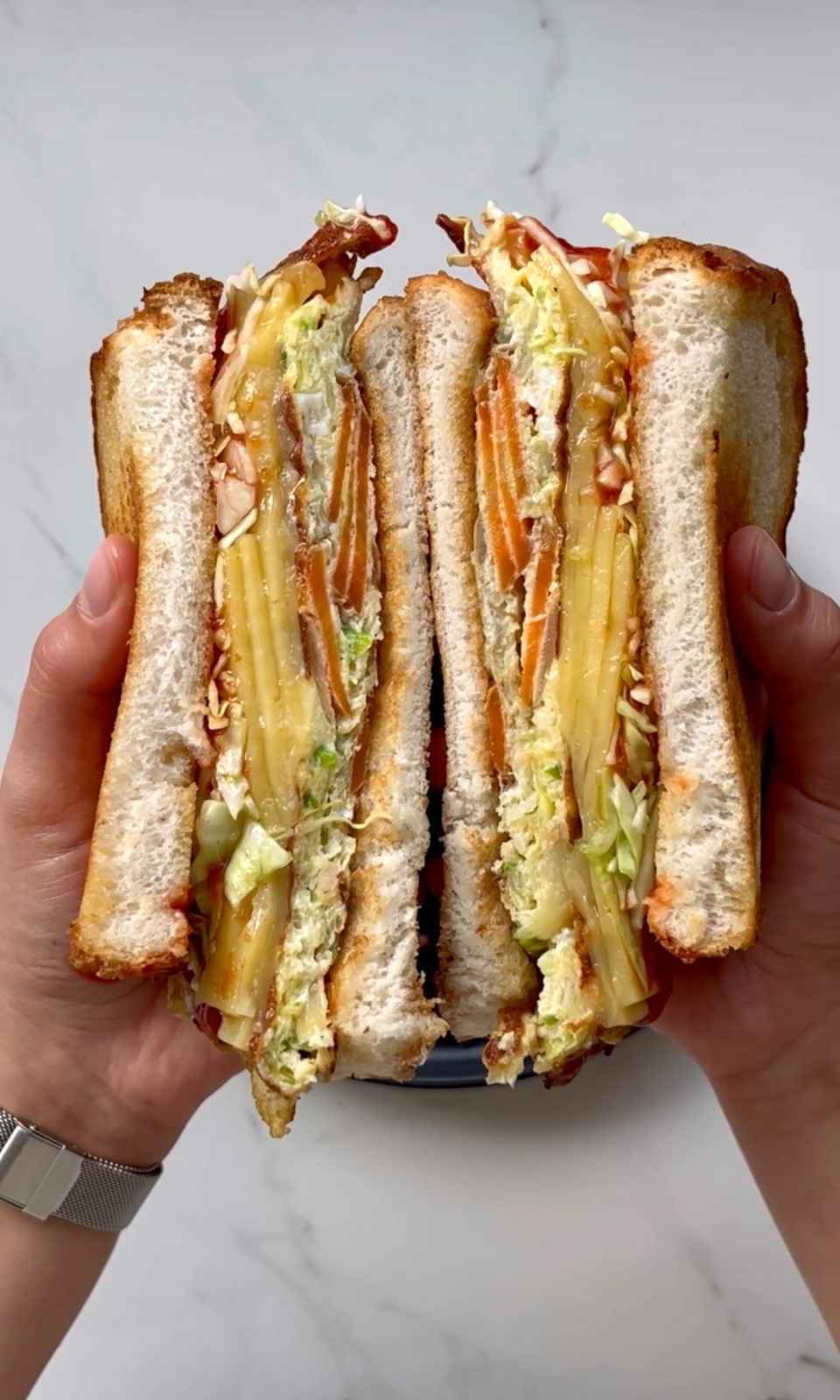
My Korean Gilgeori Toast is one of the most deeply satisfying, weirdly-sweet-but-it-works things I make. It's a classic Korean street food sandwich built on a square omelette loaded with shredded cabbage, onion, carrot, and scallions, then topped with cheese, a teaspoon of sugar (yes, really), and a squeeze of ketchup, all stacked between two thick slices of pan-fried milk bread. You can also find it featured in my 24 Best Sandwich Recipes roundup.
My top tip: Shape your omelette into a square slightly larger than your bread slices before it sets. That way the omelette pokes out around the edges of the sandwich, just like the street-food version. It's a tiny detail but it's what makes the sandwich look (and feel) authentic to its origins.
Why you'll love it: It's sweet-salty-savory, surprisingly filling, and unlike anything in an average breakfast lineup.
13. Gochujang Onigiri
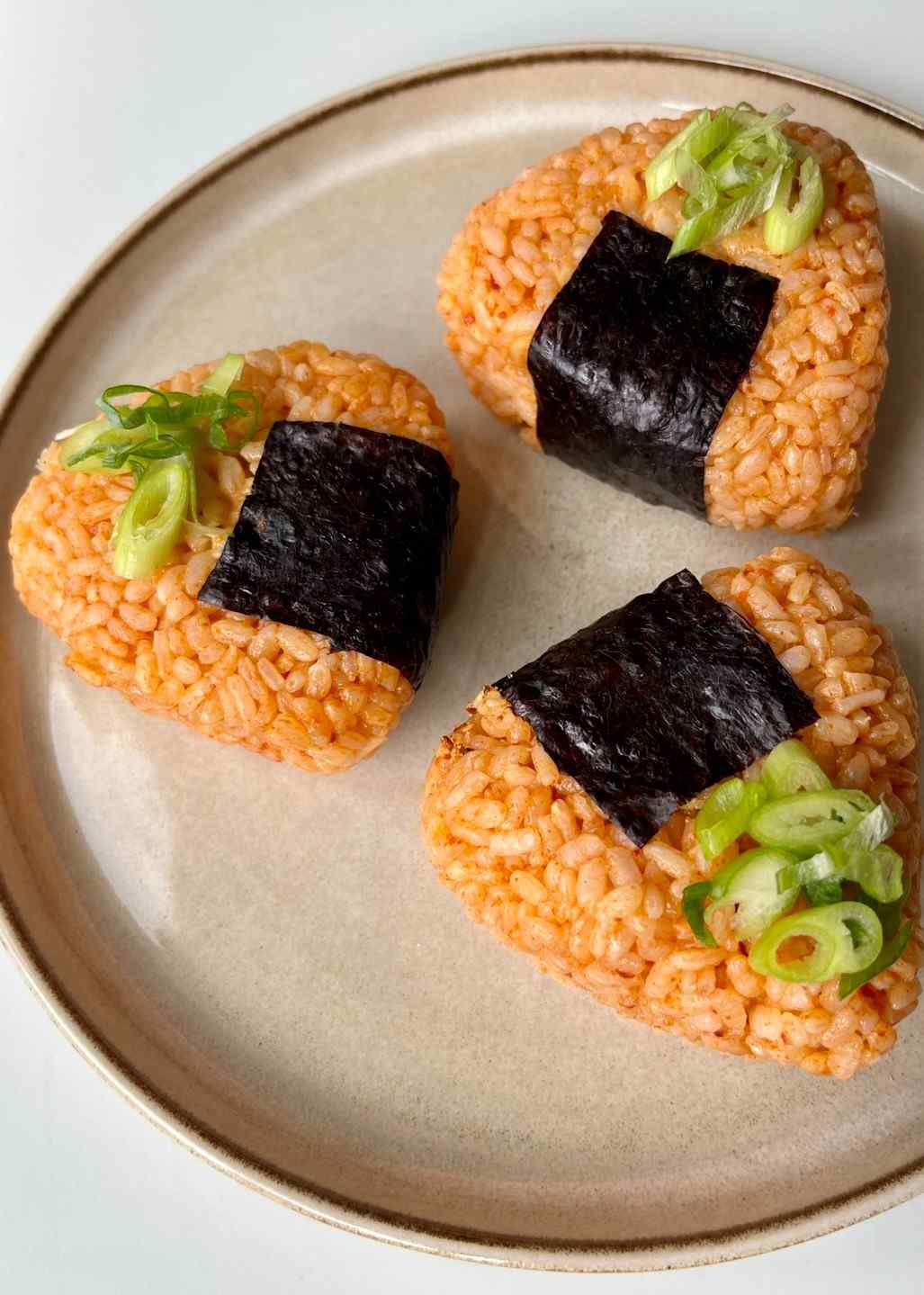
My Gochujang Onigiri is my mash-up of Japanese onigiri form and Korean gochujang flavor. The rice mixture is sushi rice seasoned with gochujang, soy sauce, sesame oil, gochugaru, sugar, garlic, ginger, and ketchup; the filling is a quick tuna-mayo-pepper-scallion mix. Shape into triangles using cling film, chill for 10 minutes, then wrap a strip of nori around each one. Makes about 3 onigiri.
My top tip: Wet your hands with cold water before shaping each onigiri. The seasoned rice is sticky from the gochujang and the sesame oil and it'll cling to dry hands. A quick rinse between each ball means clean, neat triangles instead of a messy red-stained kitchen counter.
Why you'll love it: A 15-minute snack that looks fancy, tastes incredible, and gives you that gorgeous color contrast between the orange-red rice and the dark green nori.
14. Gochujang Feta Pastries
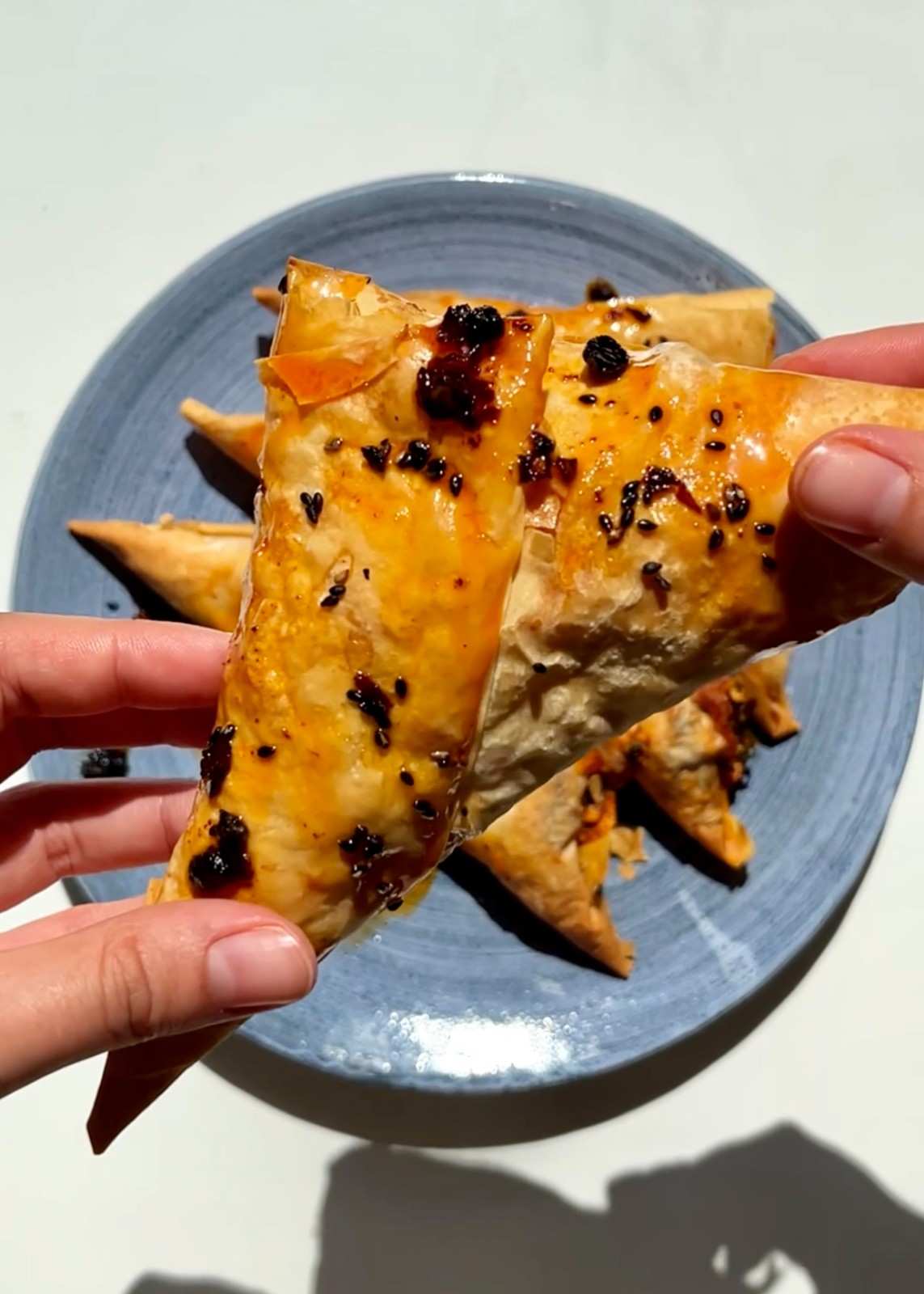
These Gochujang Feta Pastries are my favorite Korean-Greek mash-up. I make a quick gochujang sauce (gochujang, gochugaru, light soy sauce, sesame oil, honey, garlic), mix it with wilted spinach, crumbled feta, and grated cheddar, then fold the lot into filo pastry sheets in a triangle pattern (fold the long side, then fold corner-to-corner up the strip until you've got a triangle). Brush with melted butter, sprinkle with sesame seeds, and air-fry at 320°F (160°C) for 20 minutes (or bake at 355°F / 180°C). Makes 4 pastries.
My top tip: Squeeze your wilted spinach hard before mixing it into the filling. Spinach holds an enormous amount of water once it's wilted, and if you don't squeeze it, you'll get soggy pastries that don't crisp up properly.
Why you'll love it: Crispy, salty, spicy, slightly sweet, and they reheat beautifully for next-day lunches.
Korean Sides & Salads
Every Korean meal traditionally comes with a small army of banchan (side dishes). I've got two on the blog that I make on rotation: one is a punchy salad, the other is a saucy vegetable main.
15. Easy Spicy Cucumber Salad
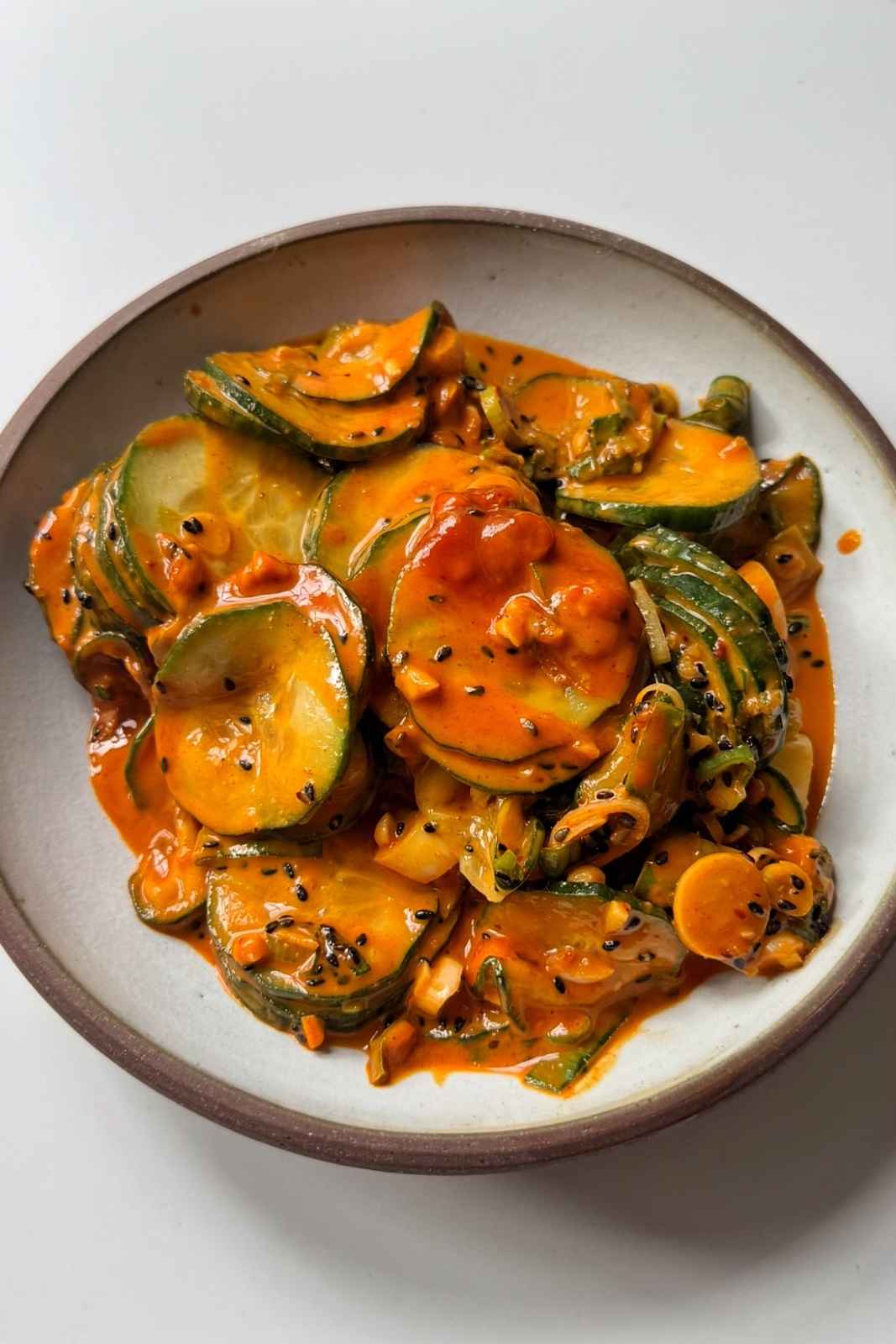
My Easy Spicy Cucumber Salad is the 5-minute Korean side dish I make alongside almost every meal in this roundup. The dressing is peanut butter, gochujang, rice wine vinegar, sesame oil, light soy sauce, garlic, sugar, and crispy chili oil shaken together in a jar. Toss with thinly sliced cucumber, scallions, and sesame seeds. Done. It's vegan, dairy-free, and takes one bowl plus a knife.
My top tip: If you're meal-prepping, salt and chill your cucumbers for 20 minutes first, then drain. They release a ton of water as they sit, and if you skip this step the salad might turn into a watery soup by lunchtime tomorrow. Five extra minutes of prep gives you a salad that holds its crunch for three days in the fridge.
Why you'll love it: Five-minute, dairy-free, and the spicy peanut dressing is genuinely so good you'll want to eat it on noodles too.
16. Gochujang Eggplant Skewers
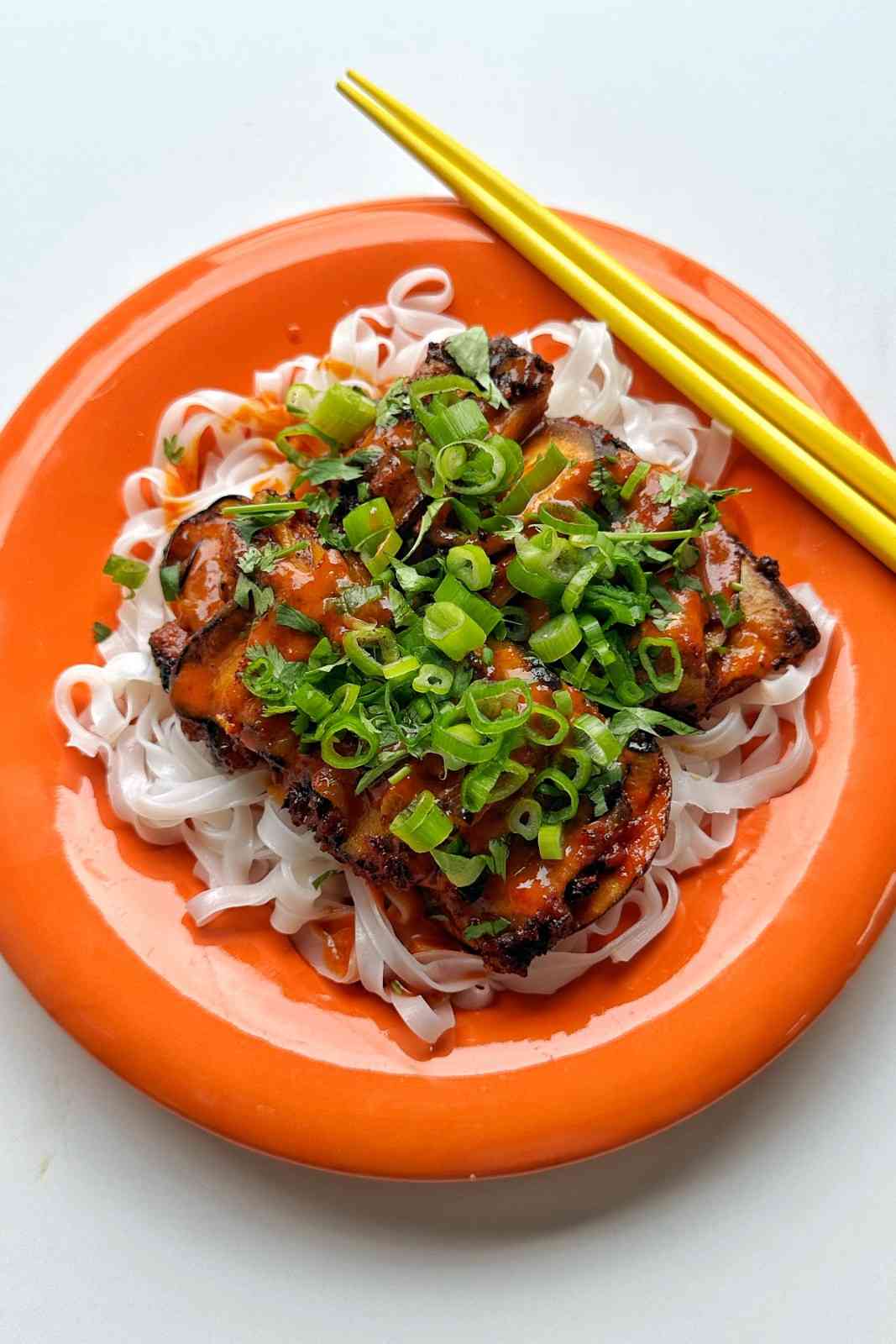
My Gochujang Eggplant skewers are one of my favorite ways to cook eggplant, full stop. You slice the eggplant into very thin strips lengthways (about a quarter centimeter thick), fold each strip into thirds, and spike them onto skewers (about 6 to 8 slices per skewer, 4 skewers total). Pan-fry with garlic and ginger, brush with a 5-ingredient gochujang-peanut butter-sesame oil-soy-honey sauce, and serve over rice noodles with cilantro and scallions.
My top tip: Try and slice your eggplant slices really thin. If they're thick, they snap when you fold them, which is incredibly frustrating. Aim for slices so thin you can almost see through them, and they'll fold like ribbons on the skewer without a single break.
Why you'll love it: This is a 20-minute Korean-inspired vegetarian main that is so comforting.
A Korean-American Fusion Favorite
I couldn't write a roundup of my best Korean dishes without including the most popular Korean-American thing I've ever made.
17. Bulgogi Cheesesteak Sandwich
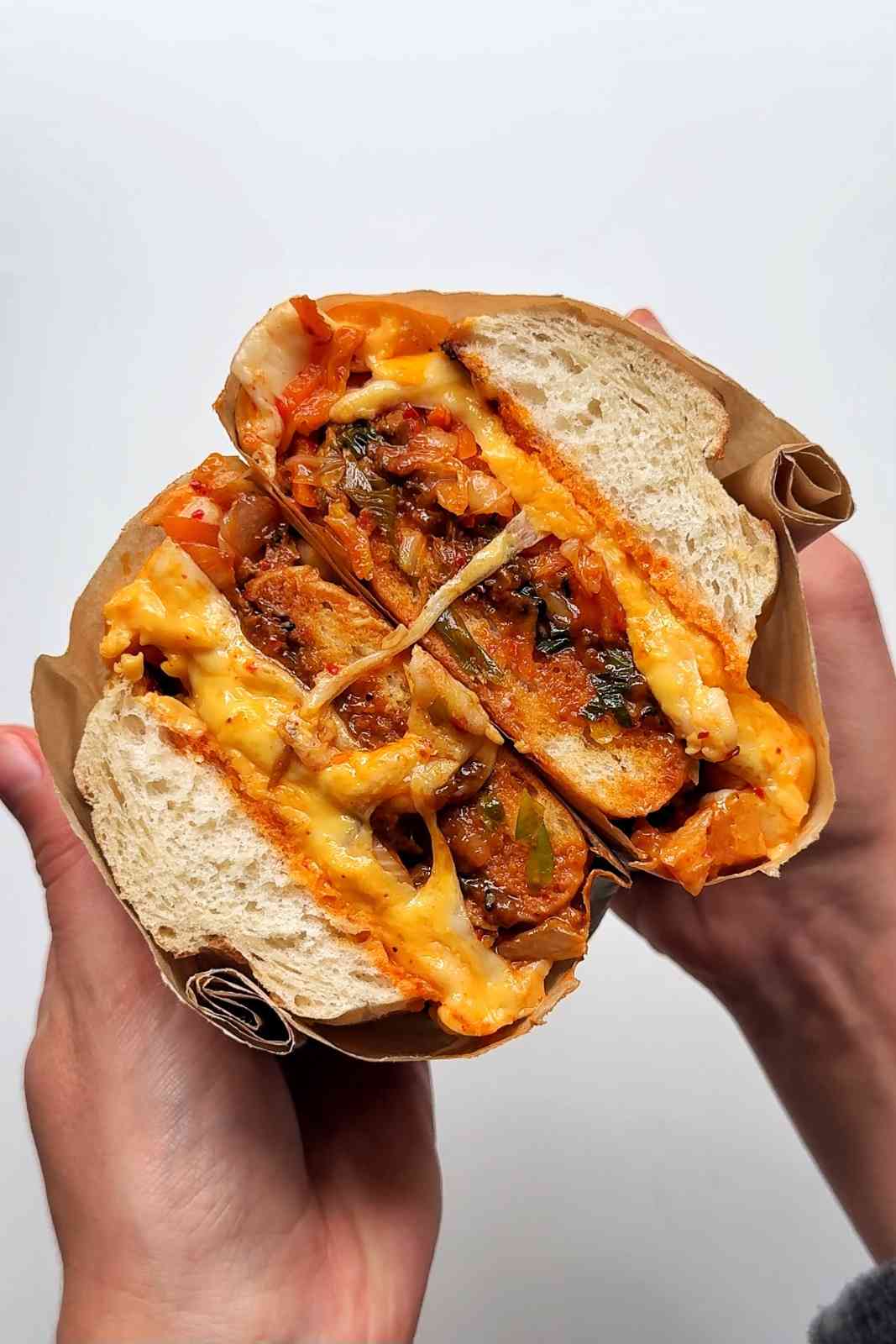
This is one of the best sandwiches I've ever made, full stop. The Bulgogi Cheesesteak is what happens when you take a classic Philly and drag it through Seoul. Thin-sliced rump or sirloin marinated in grated pear, dark soy, sesame oil, garlic, ginger, and gochujang, melted mozzarella and American cheese, a quick gochujang mayo with rice wine vinegar, plus a scoop of kimchi for that funky, tangy cut-through. All in a crusty bread roll. It's also featured in my full 24 Best Sandwich Recipes post if you want more sandwich ideas.
My top tip: Put your steak in the freezer for 30 minutes before you slice it. Semi-frozen meat is so much easier to slice paper-thin with a sharp knife, which is the whole point of a bulgogi-style cut. Thin slices pick up the marinade better and stir-fry in minutes.
Why you'll love it: The cheese pull, the umami-packed beef, the funky kimchi cut-through. Every Korean and every cheesesteak rule applied at once.
My Golden Rules for Cooking Korean Dishes at Home
After years of cooking my way through these recipes (and a lot of trial and error along the way), here's the shortlist of rules I follow every single time I make a Korean-style dish at home. No matter which recipe from the list above you pick, these will apply.
Rule 1: Build your sauce before you turn on the heat. Mix your gochujang, soy sauce, sugar, sesame oil, vinegar, and stock in a bowl before you start frying anything. Korean dishes move fast once they hit the pan, and the last thing you want is to be measuring honey while your garlic burns.
Rule 2: Taste at every stage. The balance between sweet, salty, spicy, and umami is deeply personal. My "perfect" gochujang sauce might be your "needs more sugar." Taste after the sauce comes together, taste after the protein cooks, and taste again before serving.
Rule 3: Don't skip the sesame oil at the end. Sesame oil is one of those ingredients that loses a lot of its magic when you cook it for too long. Add a tiny drizzle at the very end of cooking, off the heat. It's the toasty finishing note that makes a Korean-style dish taste Korean.
Rule 4: Embrace the mozzarella. I know it sounds wildly un-traditional, but melted mozzarella is everywhere in modern Korean cooking, from buldak to tteokbokki bakes to Korean corn cheese. It tames the heat of gochujang and adds that beautiful cheese pull. Don't skip it where the recipe calls for it.
Rule 5: Acid is your magic element. Almost every Korean dish on this list has at least one acidic element (kimchi, rice wine vinegar, pickled veg). If your dish is tasting flat, you don't need more salt or more chili. You need acid. Trust me on this one.
Korean Pantry: What to Buy First
If you're new to cooking Korean dishes at home, the ingredient list can look genuinely intimidating, especially if you don't have a Korean grocery store nearby. The good news is that the vast majority of these 17 Korean dishes can be made with the same handful of pantry staples. Here's exactly what I'd buy on your first trip:
- Gochujang (1 tub): Lasts 6 months in the fridge once opened. Look for the red plastic tubs in the international aisle of most large supermarkets, or order online.
- Gochugaru flakes (1 small bag): Korean red pepper flakes. Mild, smoky, and beautifully red.
- Light soy sauce (1 bottle): The light kind is saltier but lighter in color and flavor than dark soy sauce.
- Sesame oil (1 small bottle): A little goes a long way. Buy the smallest bottle you can find since it loses flavor over time.
- Rice wine vinegar (1 bottle): Use it in pickles, sauces, dressings.
- Kimchi (1 jar): Refrigerated section. Get the napa cabbage variety to start.
- Sushi rice or short-grain rice (1 bag): For onigiri, jumeokbap, and as a base for any of these dishes.
- Sesame seeds (1 small jar): White and/or black. For garnish.
That's eight ingredients, and once you have them, you can cook 80% of the Korean dishes on this list. I'd estimate the whole haul costs around $40 in a US grocery store and lasts months.
Make-Ahead, Storage & Reheating Tips
Korean dishes are some of my favorite recipes for meal prep because so many of them taste better the next day once the gochujang has soaked into the protein and the kimchi has worked its magic.
Best Korean dishes for meal prep & lunchboxes:
Bulgogi Fried Rice, Korean-Style Butter Beans, and the Dumpling Tteokbokki Bake all keep beautifully in the fridge for 3 days. Reheat gently in the microwave with a teaspoon of water.
- Korean Rice Balls (Jumeokbap) and Gochujang Onigiri are built for lunchboxes. Wrap in cling film and eat within 24 hours for the best texture.
- Spicy Cucumber Salad: salt and drain your cucumbers first if you want it to keep for 3 days.
Eat-immediately Korean dishes:
- The Buldak Fire Cabbage, Gnocchi Lasagne with Gochujang, and Bulgogi Cheesesteak all need to be eaten hot, ideally within 30 minutes of serving. Cheese-melt-based dishes lose their soul once the cheese sets.
Freezer-friendly Korean dishes:
- Kimchi Tofu Dumplings and Gochujang Pork Steamed Buns freeze incredibly well. Freeze raw on a tray, then bag up. Steam direct from frozen, adding 5 extra minutes.
- Gnocchi Lasagne with Gochujang freezes for up to 3 months. Defrost overnight in the fridge before reheating.
Component storage:
- Most of the gochujang sauces in these recipes keep for 5 to 7 days in an airtight container in the fridge. Make a double batch on Sunday and you've basically meal-prepped your whole week.
- Cooked proteins (bulgogi beef, gochujang pork) keep for 3 days. Reheat gently rather than microwave-blasting them.
Final Thoughts
So there you have it: 17 of my best Korean dishes, all tested and retested, all built to be cookable in a normal home kitchen with ingredients you can actually find. My honest advice? Start with the easy ones. The Korean-Style Butter Beans and the Spicy Cucumber Salad take 15 minutes between them, use the same pantry staples, and will give you a feel for how gochujang behaves before you graduate to the bigger projects like the Gochujang Pork Steamed Buns or the Korean Mandu.
If you make any of them, please let me know in the comments because I love hearing which ones become favorites and which little tweaks make them yours. And if you want more globally-inspired dinner ideas, jump into my dumpling recipes archive or my noodle recipes next. Enjoy!
Looking For More Korean Inspiration?
If you're loving the Korean flavors in this roundup, you'll love a few of my other archive favorites:
- 10 Best Gochujang Chicken Recipes
- 24 Best Sandwich Recipes: From Viral Hits to Classics
- 19 Ultimate Ramen Toppings: From Classics to Viral Hacks
- What to Eat with Dumplings: 30 Best Dumpling Side Dishes
- Easy Spam Ramen with Egg
- Marry Me Chicken Ramen
If you make any of these Korean dishes, I'd love to hear how it went — leave a ⭐️ star rating and comment on any of the individual recipe pages, and tag me @myriadrecipes on Instagram or TikTok so I can see your creations. There's nothing I love more.
FAQs
The most popular Korean dishes include kimchi (fermented cabbage), bulgogi (marinated grilled beef), bibimbap (mixed rice bowls), tteokbokki (spicy rice cakes), kimchi jjigae (kimchi stew), Korean fried chicken, japchae (sweet potato glass noodles), mandu (dumplings), and Korean BBQ. Most rely on gochujang, gochugaru, soy sauce, and sesame oil as the foundational pantry staples.
Gochujang is a thick, deeply savory Korean fermented red pepper paste made from chili powder, glutinous rice, fermented soybeans, and salt. It tastes spicy, sweet, salty, and umami all at once, with a slightly funky depth from the fermentation. It comes in red plastic tubs and lasts 6 months in the fridge once opened. Use it in marinades, sauces, dressings, and stews.
Most of the recipes in this roundup are Korean-inspired rather than strictly traditional. I'm not a Korean cook, and I won't claim to be. I've taken the flavor language of Korean cooking (gochujang, gochugaru, kimchi, sesame oil) and built dishes around it that work for a modern home kitchen. The closest to traditional are the Korean rice balls (jumeokbap) and the kimchi mandu; the furthest are the gnocchi lasagne with gochujang and the bulgogi cheesesteak. I'd always recommend checking out Korean creators like Maangchi for traditional recipes.
For Korean beginners, I'd recommend my Korean-Style Butter Beans (15 minutes, 8 pantry ingredients), the Spicy Cucumber Salad (5 minutes, no cooking), and the Bulgogi Fried Rice (uses leftover or microwave rice and a simple bulgogi marinade). All three use the same handful of Korean pantry staples (gochujang, gochugaru, soy sauce, sesame oil), so once you've stocked up for one, you can make all three.
The two rice balls are visually similar but the seasoning is what sets them apart. Japanese onigiri seasons rice with rice wine vinegar, sugar, and salt for a slightly tangy flavor. Korean jumeokbap seasons rice with sesame oil, sugar, and salt for a richer, nuttier, more umami flavor. Korean rice balls also tend to be coated in toppings like togarashi seasoning, sesame seeds, or seaweed flakes, while Japanese onigiri is more often wrapped with a single strip of nori. Both are brilliant for lunchboxes.
Gochugaru is Korean red pepper flakes with a bright red color, a smoky undertone, and a much milder heat than the regular crushed chili flakes you'd buy in a US supermarket. If you absolutely have to substitute, use half the amount of regular chili flakes the recipe calls for, plus a pinch of smoked paprika for color and smokiness. The flavor won't be exactly the same, but it'll get you in the ballpark.
No! Plenty of Korean dishes are completely mild or only gently spiced. Korean cuisine has just as many soy-and-sesame-based dishes as it does gochujang-based ones. Even within the spicy category, you can dial the heat way down by reducing the gochujang and omitting the gochugaru flakes. My Korean Rice Balls (Jumeokbap) and Korean Gilgeori Toast are both very mild and totally kid-friendly.
Yes, absolutely. Many of the recipes in this roundup are already vegetarian (Korean-Style Butter Beans, Spicy Cucumber Salad, Gochujang Eggplant, Buldak Fire Cabbage, Kimchijeon Traybake, Gochujang Feta Pastries, One Pot Spicy Gochujang Lasagne) and several can be made vegan with simple swaps (use vegan kimchi, swap fish stock for veggie, use plant-based mozzarella). The Kimchi Tofu Dumplings are vegan as written if you use vegan kimchi.
The classic Korean side is kimchi itself, which appears at almost every Korean meal. Beyond that, the Spicy Cucumber Salad in this roundup is my go-to for serving alongside any of the other 16 recipes. Steamed short-grain rice is the universal carb. Edamame beans with sea salt make a great cold side. And a fried egg with a runny yolk is genuinely the best topping for any of the rice-based dishes on this list.
17 Best Korean Dishes: From Bulgogi to Tteokbokki Bakes
Ingredients
- 17 Best Korean Dishes: From Bulgogi to Tteokbokki Bakes
Instructions
- Browse all of my Korean-inspired dishes further up in the blog and pick any you'd like to make.
- Follow the recipe and create your preferred Korean dish.
- Serve up with any sides you like and enjoy!
Nutrition
More Recipes You Might Like
Always see my recipes in Google
One tap adds Myriad Recipes to your preferred sources, so my recipes show up more often when you're hunting for dinner ideas.
Leave a Reply