
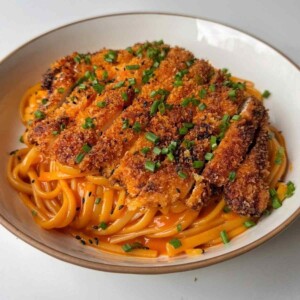
This is my Korean fried chicken pasta and it's one of the best things I've made in a while. We've got linguine simmered in a silky, sweet and spicy gochujang creamy sauce, topped with a crispy panko chicken cutlet. There's minimal washing up and it takes about 35 minutes! I hope you enjoy!
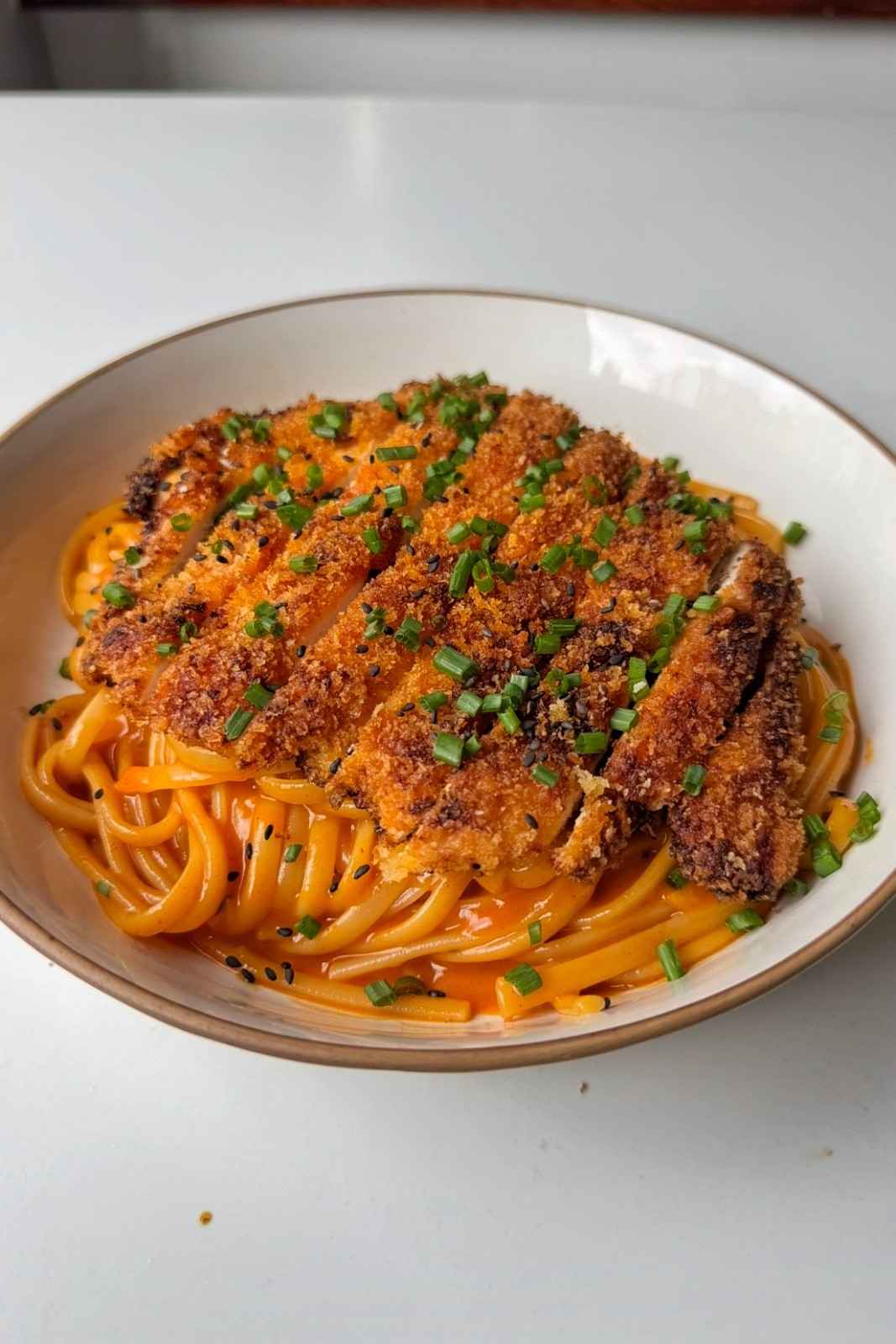
When I normally make crispy chicken on the blog, I start with the same three bowls: flour, egg, panko. This one skips two of them. I brush the chicken with a quick gochujang mayo and press it straight into the panko. Mayo is mostly oil and egg yolk, so it does the egg's job of holding the crumbs really well, and the gochujang seasons the chicken. You end up with beautifully seasoned chicken and far fewer dishes, making this a really good weeknight dinner option.
If you prefer the classic three-bowl crust, it's on my chicken katsu ramen and my crispy romesco chicken with rice. And if gochujang is a regular in your fridge, my Korean dishes roundup collects the ones I make on repeat.
Jump to:
- Why this recipe works
- Ingredients for Korean fried chicken pasta
- How to make Korean fried chicken pasta (with photos)
- Substitutions and variations
- Tips for the best Korean fried chicken pasta
- Storage and reheating
- What to serve with Korean fried chicken pasta
- Korean fried chicken pasta FAQs
- More gochujang pasta and chicken recipes
- Crispy Korean Fried Chicken Pasta
Why this recipe works
A quick note on the name of this recipe. Traditional Korean fried chicken is coated in a thin batter, fried twice and then brushed with sauce. My version is a pan-fried panko cutlet, which is much easier to pull off on a weeknight. But it plays with a lot of the same flavors: sweet, spicy gochujang, plenty of garlic, a little honey and a splash of soy. The name is the same because it is technically Korean-flavored and it's fried chicken, but it's not actual KFC if you know what I mean haha.
- The pasta cooks in the sauce. The linguine releases its starch straight into the cream and stock, which thickens the sauce.
- Thin chicken cooks fast. Bashed to an even thickness, it cooks through in about six minutes, before the crumb has a chance to burn.
- The sauce is balanced, not just hot. Rice wine vinegar, honey, and cream balance out the spicy notes from the gochujang.
Ingredients for Korean fried chicken pasta
Here are the key ingredients you'll need to make this recipe:
- Chicken breasts. Two boneless, skinless breasts, butterflied and flattened. This gives you one big cutlet per bowl.
- Gochujang. Korean fermented chili paste, sold in red tubs at Asian grocery stores and many supermarkets. Grab the paste, not gochugaru (dried chili flakes). We're going to use it for both the chicken coating and the sauce.
- Mayo. Regular mayo is all you need. It's the glue for the panko. You could totally use kewpie mayonnaise too if you fancy.
- Panko. These Japanese breadcrumbs are larger and flakier than regular ones, and that's where the crunch comes from. If you want to follow a more traditional Korean fried chicken recipe, coat the chicken in potato starch after brushing it with the gochujang mayo. And fry it twice.
- Light soy sauce, rice wine vinegar and honey. Salt, acidity and sweetness to balance the gochujang.
- Light cream. I use single cream, the UK equivalent of US light cream. Heavy cream works too and makes it richer.
- Chicken stock. You can either use chicken broth or a chicken stock cube with boiling water.
- Chives, Parmesan and chili oil. Chives bring freshness, and the other two are optional. My Vietnamese-inspired chili oil is made for drizzling over pasta like this.
For the full ingredient list with measurements, scroll down to the recipe card.
How to make Korean fried chicken pasta (with photos)
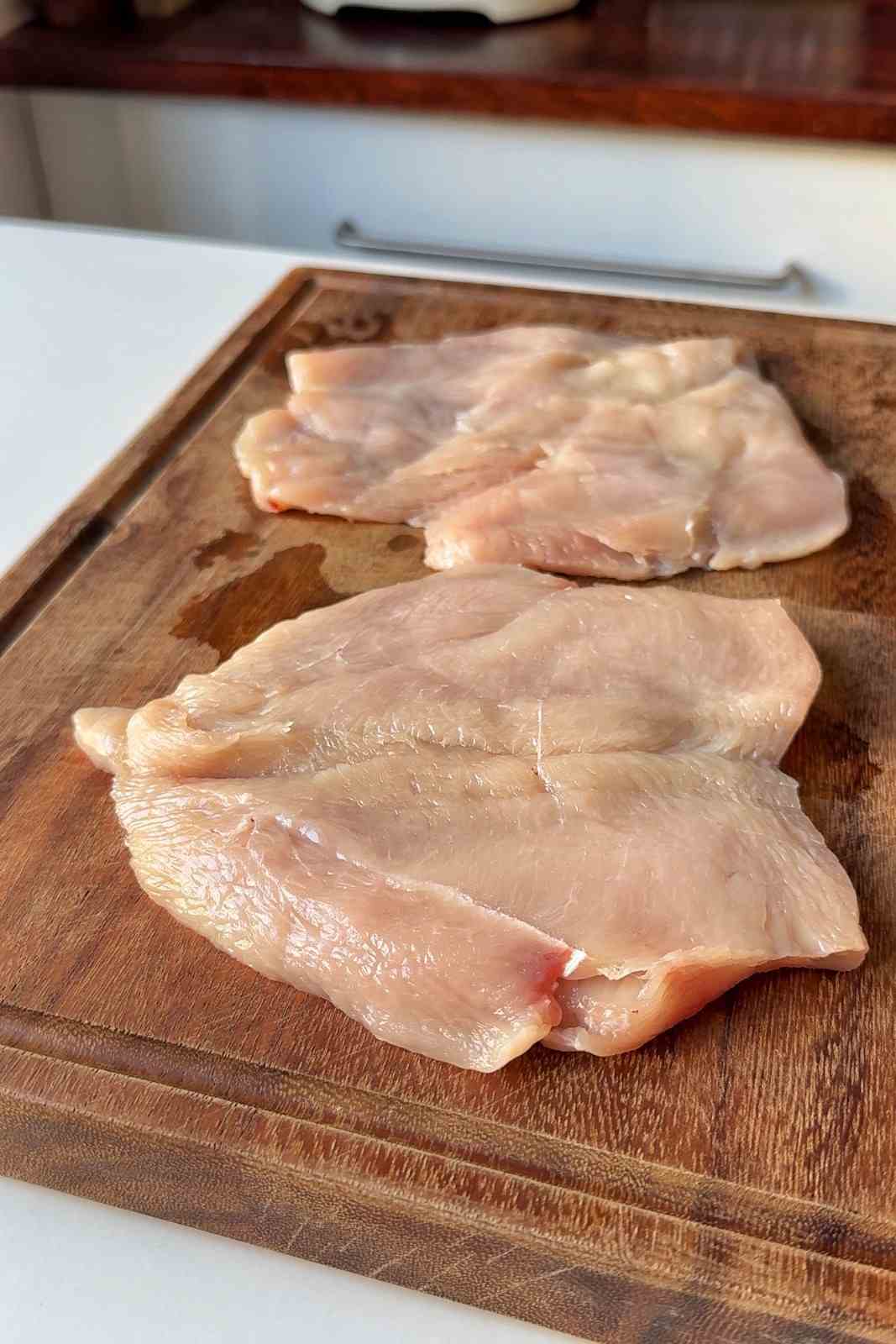
Step 1. Butterfly and flatten the chicken
Holding your knife parallel to the board, slice each chicken breast lengthwise, stopping just before you cut all the way through, and open it out like a book. Cover with parchment paper and bash with a rolling pin until it's evenly thin all over.
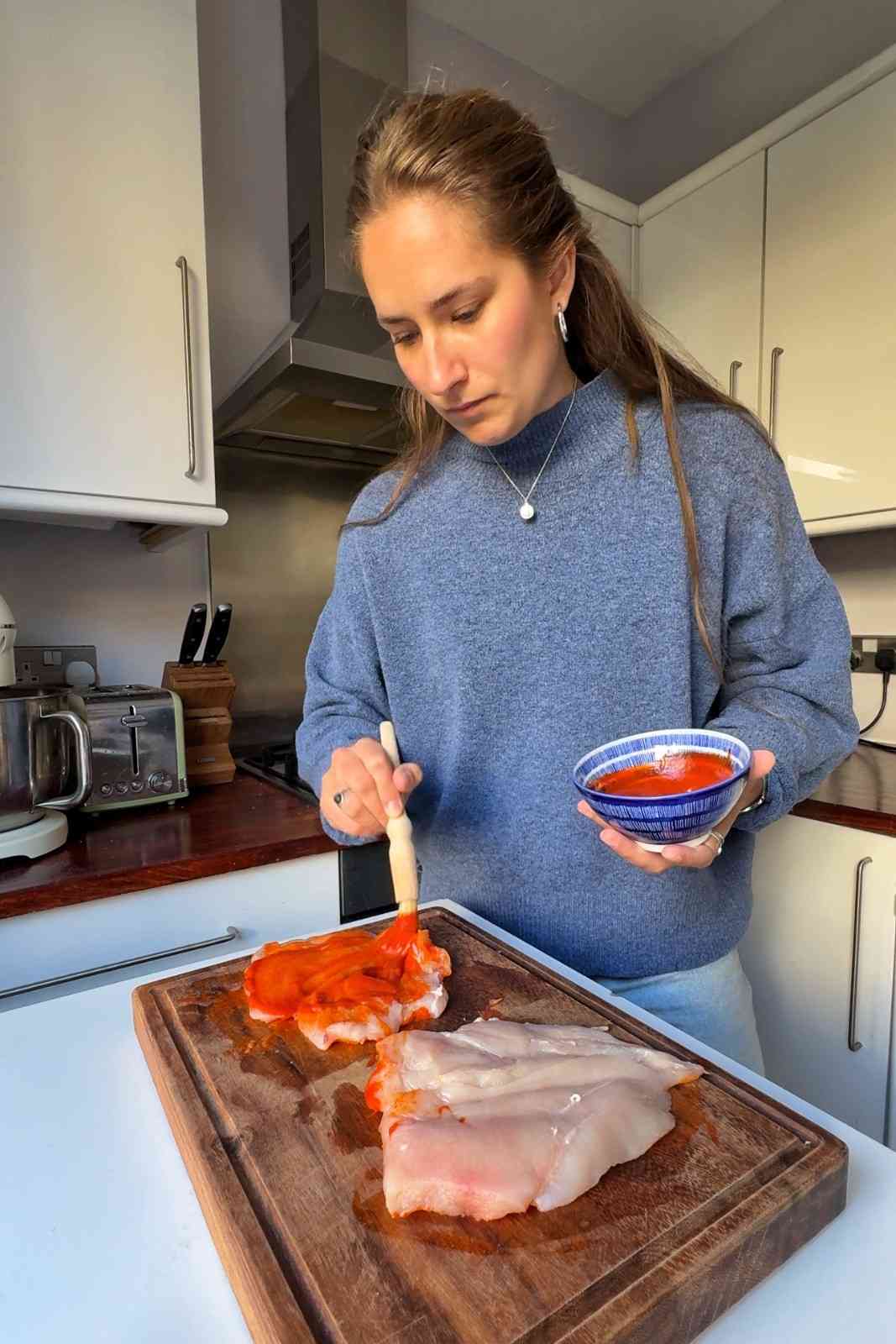
Step 2. Coat the chicken in gochujang mayo
Mix the mayo and gochujang in a small bowl. Brush a thin, even layer over both sides of each cutlet.
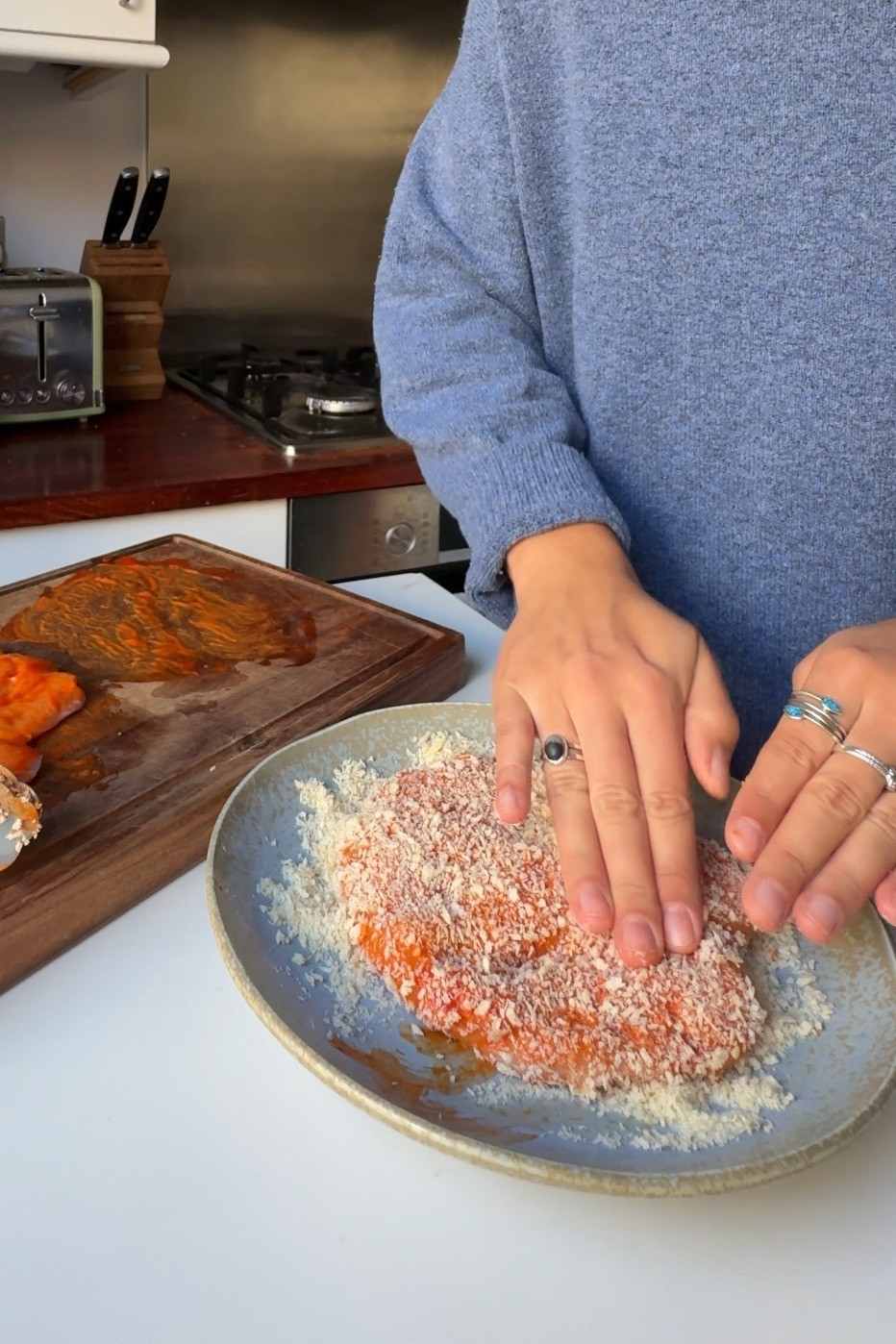
Step 3. Cover the chicken in panko
Press the chicken firmly into the panko, flipping so it's coated all over. Set aside while you make the sauce.
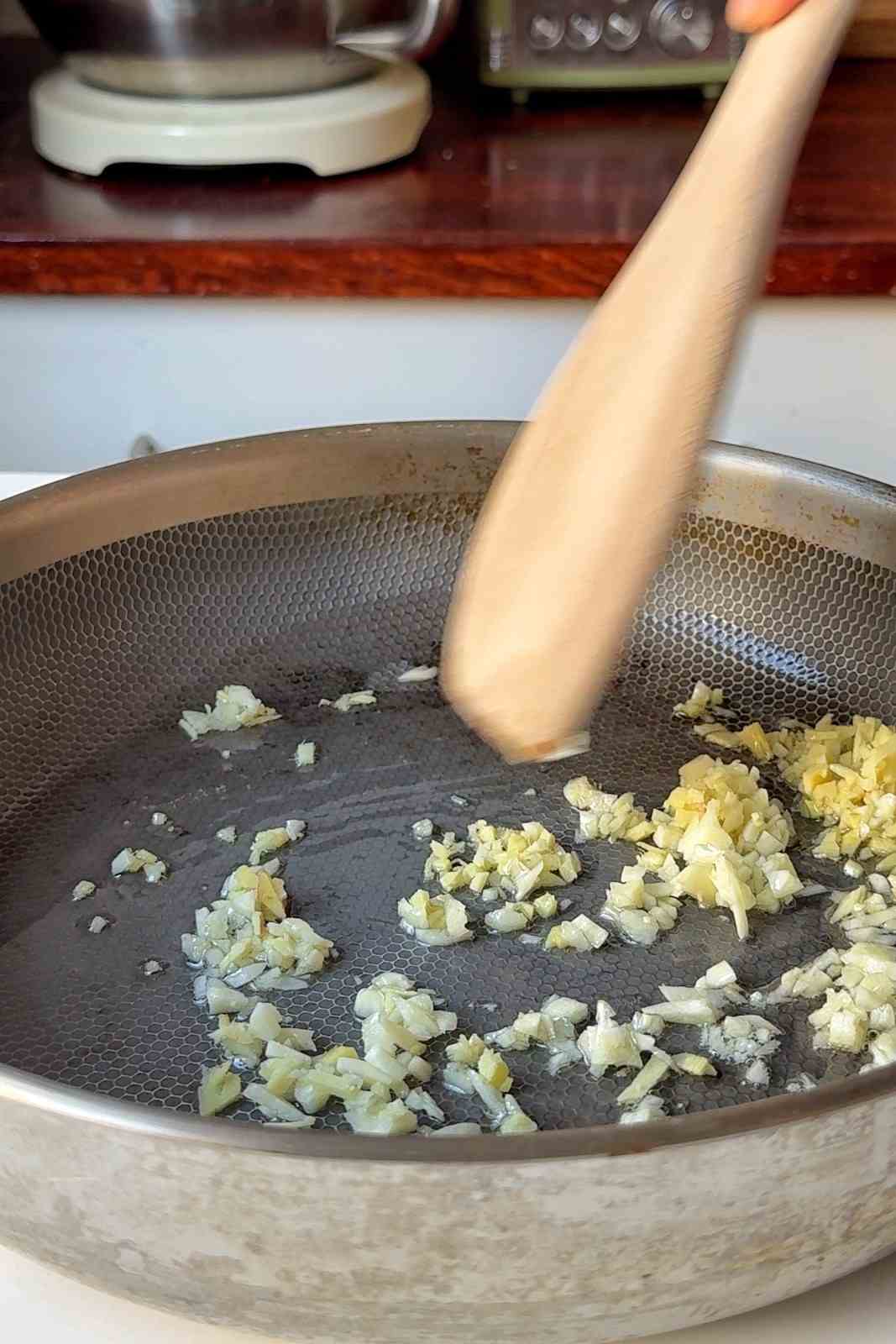
Step 4. Build the gochujang cream sauce
Heat a drizzle of olive oil in a large, deep skillet over medium heat. Fry the garlic and ginger for a minute, until fragrant.
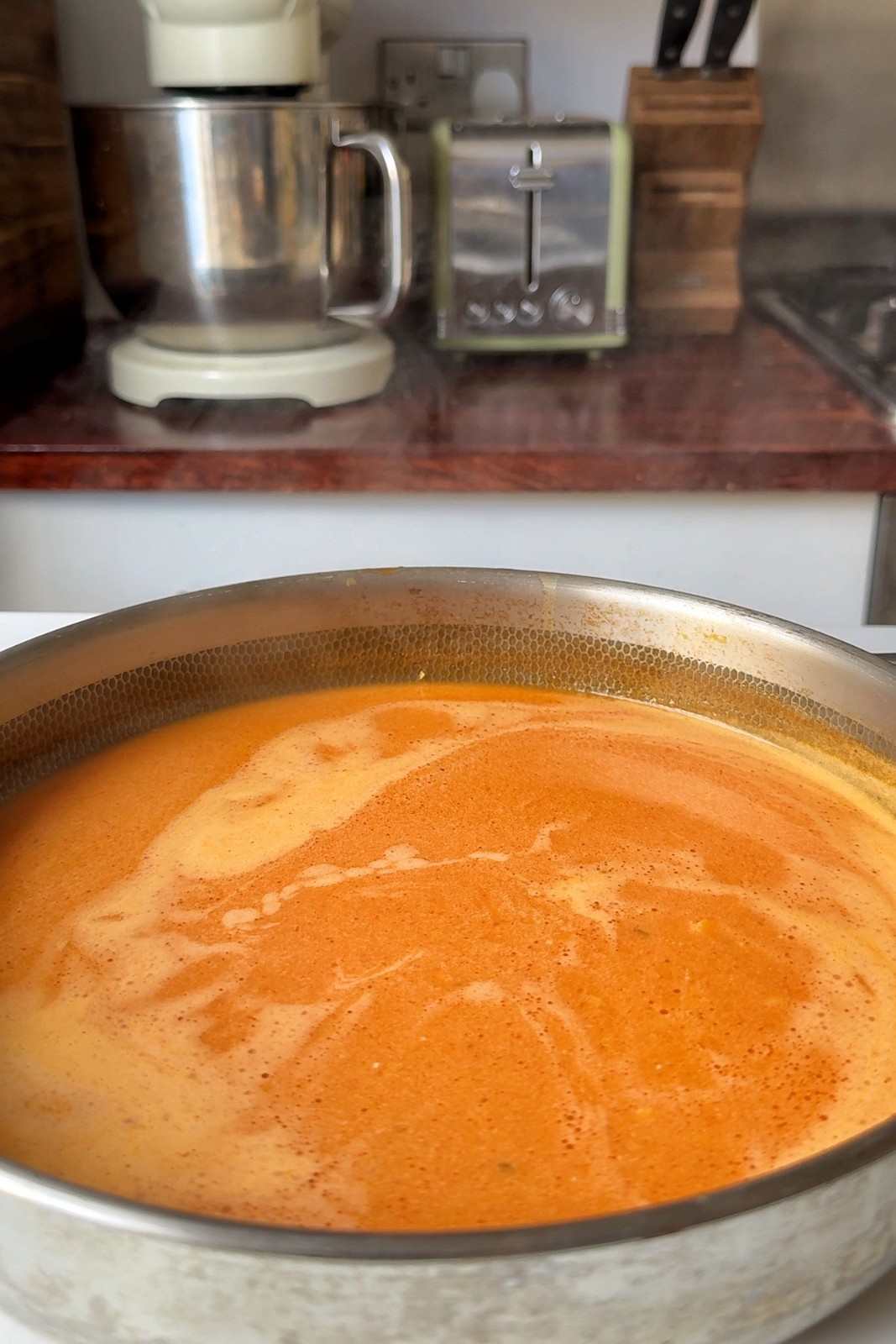
Step 5. Stir in the gochujang, cream and stock
Stir in the gochujang, soy sauce, vinegar and honey, then the cream and stock. Taste before seasoning, as gochujang and soy are already salty.
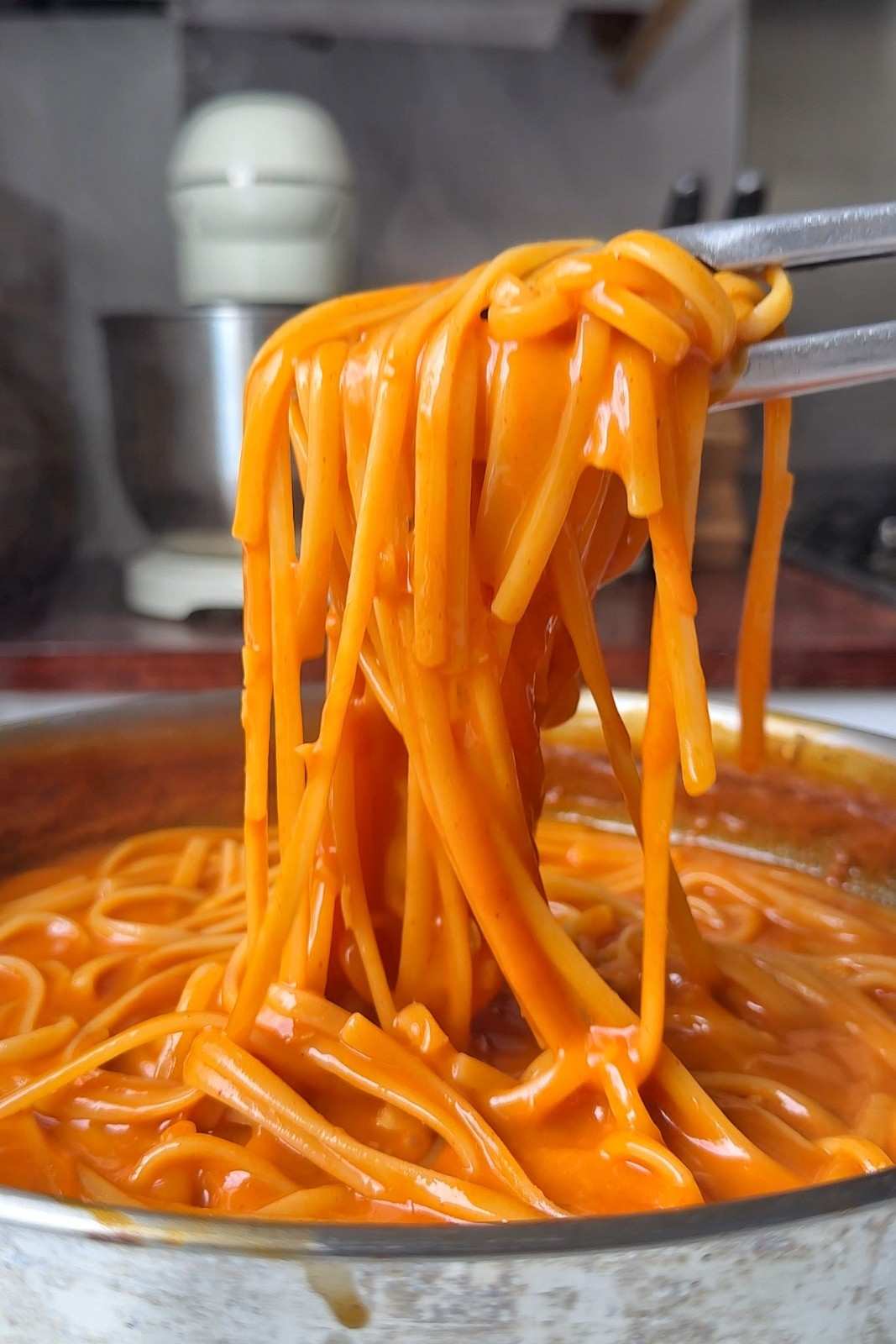
Step 6. Simmer the linguine in the sauce
Bring the sauce to a gentle simmer, add the linguine and cook according to the package, usually 9 to 12 minutes. Stir often so it doesn't stick. If the sauce thickens before the pasta is tender, add a splash more stock. It should stay glossy and loose.
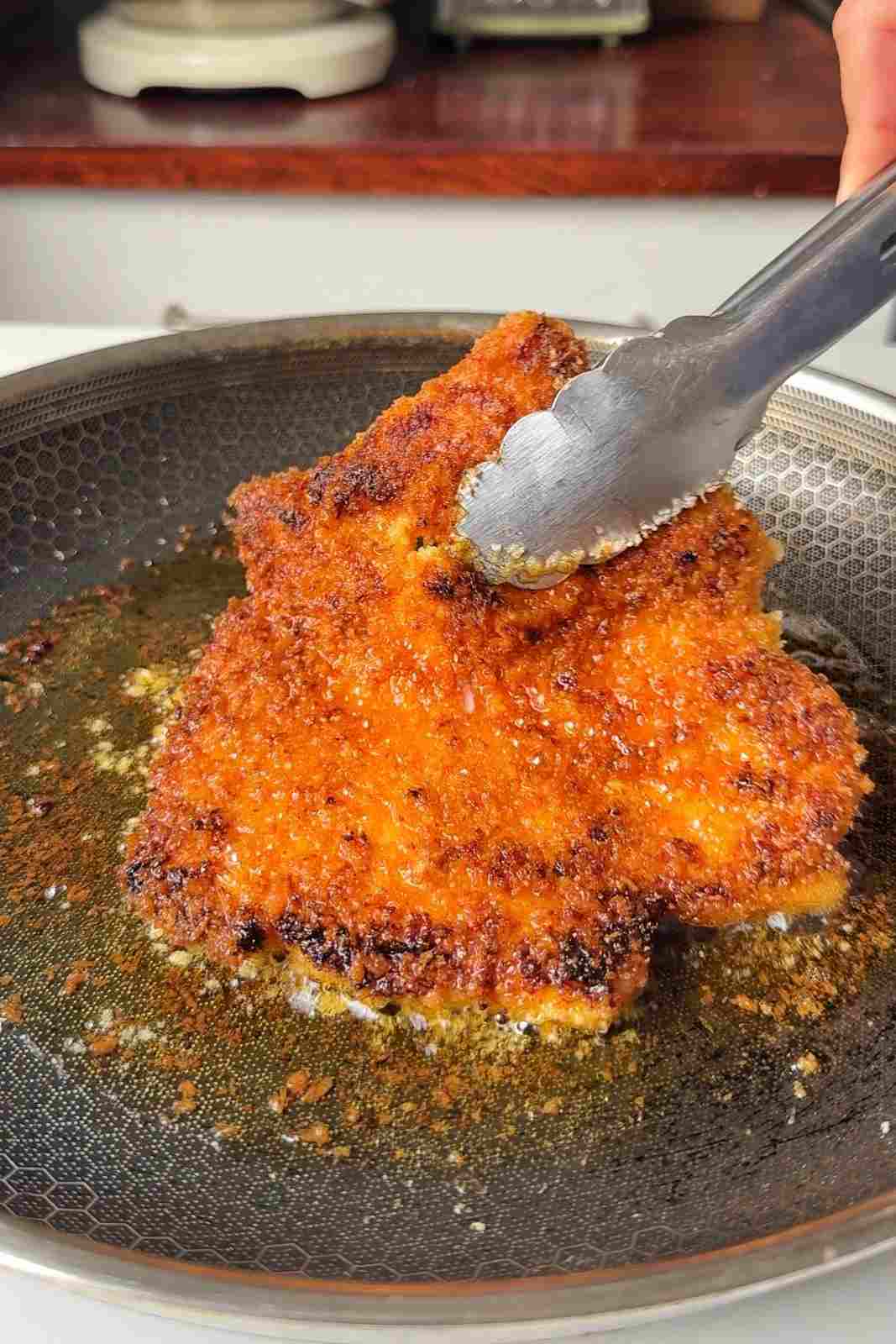
Step 7. Fry the chicken until golden
Meanwhile, heat a thin layer of vegetable oil in a second large skillet over medium heat. Fry the chicken for about 3 minutes per side, until deep golden and cooked through (165°F in the thickest part). If the crumb darkens too fast, turn the heat down a little.
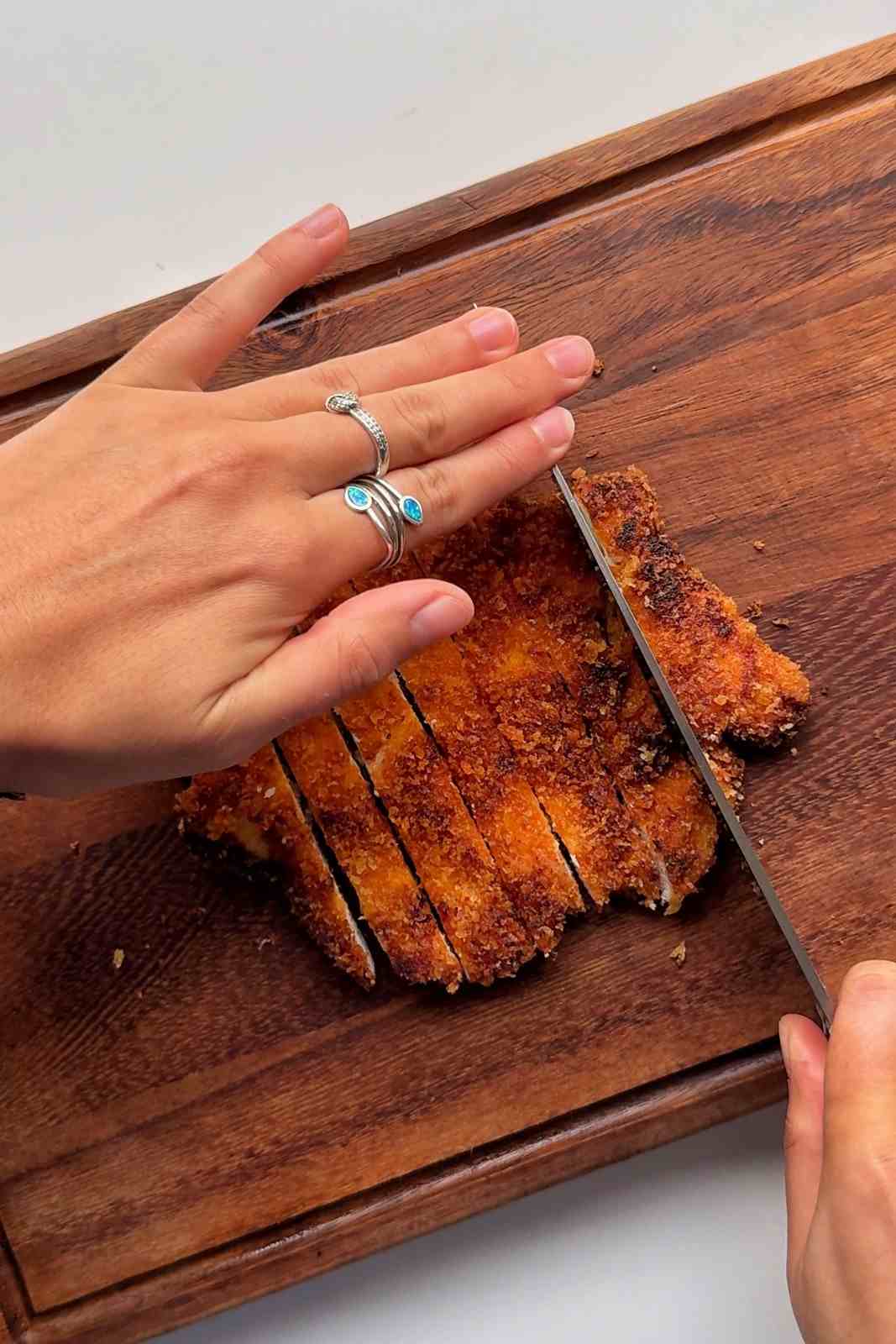
Step 8. Drain and slice the chicken
Lift the chicken onto paper towels to soak up any excess oil. Then slice it into strips.
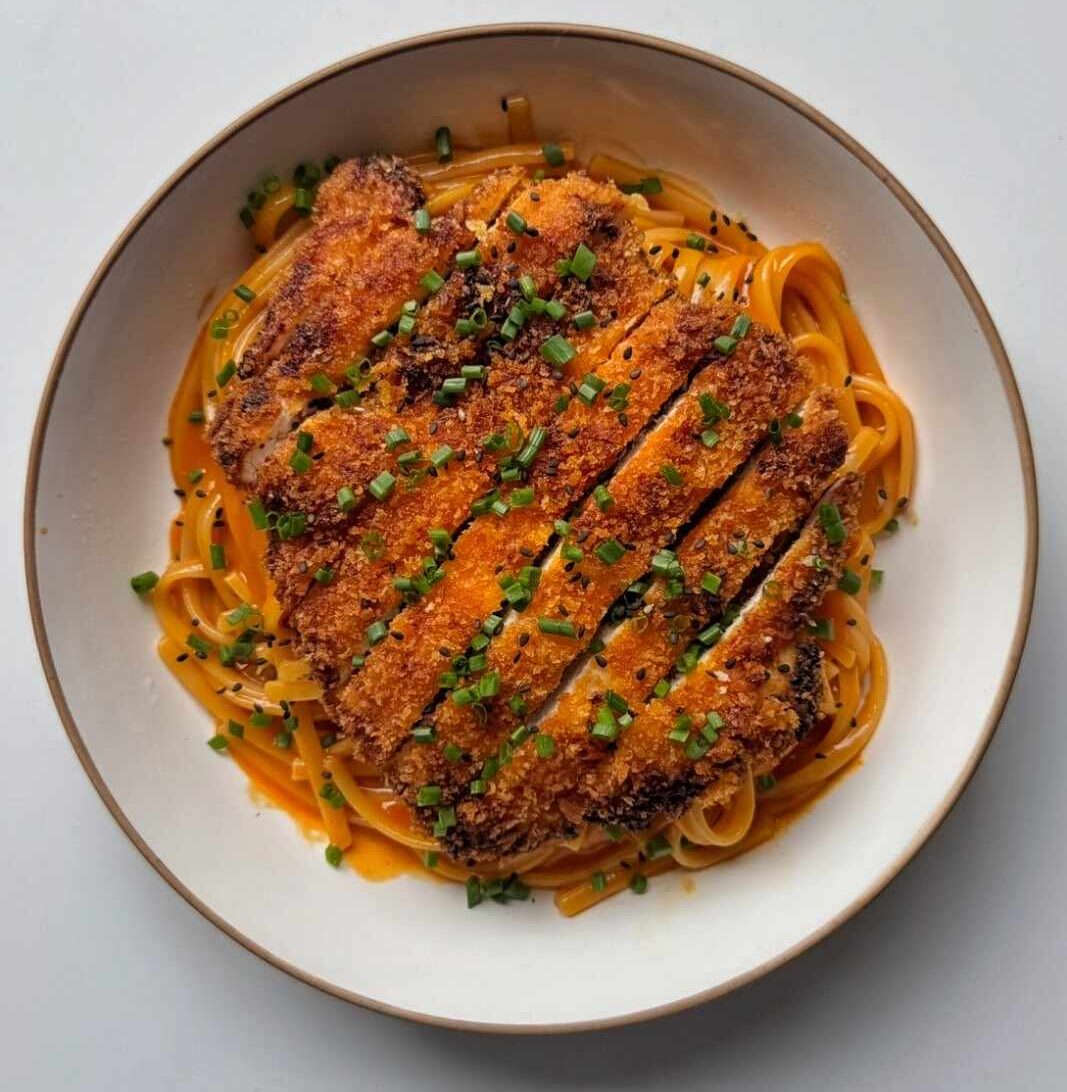
Step 9. Divide, garnish, serve up, and enjoy!
By now the pasta should be just tender and still super saucy. Divide it between two bowls, lay the sliced chicken on top and scatter with chives. Finish with grated Parmesan, a drizzle of chili oil or a pinch of black sesame seeds if you like. Enjoy my friends!!
Substitutions and variations
This is a pretty forgiving recipe, so if you're missing an ingredient or cooking around a dietary need, here's how to adapt it without losing what makes it good.
- Chicken thighs. Boneless, skinless thighs stay juicier. Flatten them the same way, and expect them to need a little longer in the pan.
- Gluten-free. Use tamari instead of soy sauce, plus gluten-free panko and pasta. Check your gochujang label too, as many brands contain wheat or barley.
- Sweetener. Maple syrup or brown sugar can stand in for the honey.
- Vinegar. Apple cider vinegar is sharper than rice wine vinegar, so use a little less.
- Gochujang: okay I'm very aware that this is probably the main culprit. If you haven't bought it but you know your supermarket has it, I urge you to purchase it. I promise you won't be disappointed and I have dozens of gochujang recipes on the blog you can go through! However, if you can't find gochujang. I'd recommend using sriracha.
- Add greens. A couple of handfuls of baby spinach stirred through at the end wilts in seconds.
Tips for the best Korean fried chicken pasta
A few small things make the difference between a good and really good dish, mostly around keeping the chicken crispy and the sauce silky.
- Keep the chicken at medium heat. Gochujang contains sugar, so this crust browns much faster than a plain panko coating. Medium heat gives the chicken time to cook through before the caramelized spots tip into burnt.
- Let the coating set. A few minutes' rest while you make the sauce helps the panko bond to the mayo, so less of it falls off in the pan.
- Take the pasta off while the sauce is looser than you'd like. The sauce keeps thickening as it sits and as you plate. If it looks perfect in the pan, it'll be too thick by the time it reaches the bowl.
- Top, don't toss. Lay the chicken on the pasta delicately instead of stirring it through, so the crust stays crunchy, it looks beautiful, and every forkful is both crispy and creamy. Yum yum yum!!!
Storage and reheating
This recipe is at its best straight from the pan, but leftovers do keep.
- Store separately. Keep the pasta and chicken in airtight containers in the fridge for up to 3 days. Stored together, the crust goes soggy.
- Reheat the pasta in a skillet over low heat with a splash of stock or water (or in the microwave). The sauce thickens a lot in the fridge.
- Re-crisp the chicken in a hot oven or air fryer, not the microwave (this turns the chicken crust soft)
- Freezing: I wouldn't personally!
What to serve with Korean fried chicken pasta
This is a full meal-in-a-bowl sort of recipe, so for me, a side only has one job which is to cut through the cream with something cold, sharp or crunchy.
- Cucumber salad. My easy spicy cucumber salad takes about 5 minutes and brings crunch with a peanut and gochujang dressing.
- Kimchi. Zero effort, and its sourness is exactly what a creamy pasta needs (store-bought is always fine!!).
- Simple greens. Blanched broccoli or bok choy with a little sesame oil and salt/soy sauce.
Korean fried chicken pasta FAQs
It's warming rather than fiery, because the cream and honey soften the gochujang. Heat varies by brand - a lot of store-own brands are less spicy that Korean brands. For a milder bowl, use 3 tablespoons of gochujang in the sauce instead of ¼ cup. For more heat, add chili oil at the end.
Nothing tastes quite the same, because gochujang is fermented as well as spicy, which gives it a deep, savory sweetness. In a pinch, white miso mixed with sriracha gives you salt, funk and heat, but the flavor will be different. A tub keeps for months in the fridge, so it's worth buying!!
Usually because it boiled too hard. Cream with acidic ingredients like vinegar can separate at a rolling boil, especially lower-fat cream, so keep it at a gentle simmer. If it starts to split, take the pan off the heat and stir in a splash of cream or stock. The pasta starch can help bring it back together.
Linguine, because its flat strands hold a thin, creamy sauce. Spaghetti, fettuccine and tagliatelle work too. Short shapes like rigatoni are also great, but every shape absorbs liquid differently, so keep extra stock nearby. I'd avoid fresh pasta: it cooks in a couple of minutes, long before the sauce has thickened. If you do want to use fresh pasta, make sure to let the sauce thicken before adding it in to cook.
Yes, you can! Cook the coated chicken in the air fryer at 410F/210C for 12 minutes - flipping halfway until golden and cooked through.
More gochujang pasta and chicken recipes
If that tub of gochujang is still half full, here's where I'd take it next:
- Spicy Alfredo Sauce: a 10-minute gochujang cream sauce with garlic and Parmesan.
- One Pot Spicy Gochujang Lasagne: broken lasagna sheets in a sweet, spicy gochujang sauce, inspired by tteokbokki.
- Gnocchi Lasagne with Gochujang: gochujang beef ragu, gnocchi and a cheesy béchamel, baked.
- 10 Best Gochujang Chicken Recipes: more ways to use up that tub with chicken.
If you tried this Korean Fried Chicken Pasta or any other recipe on my website, please leave a 🌟 star rating and let me know how it went in the 📝 comments below. Thank you!
Crispy Korean Fried Chicken Pasta
Ingredients
For the crispy chicken
- 2 chicken breast
- 1 tablespoon mayonnaise
- 1 tablespoon gochujang
- 1 cup panko breadcrumbs 50g
- Vegetable oil for shallow frying
For the gochujang pasta
- Drizzle of olive oil
- 4 garlic cloves finely chopped
- 1 inch fresh ginger finely chopped (around 10g)
- ¼ cup gochujang 60ml
- 1 tablespoon light soy sauce
- 1 tablespoon rice wine vinegar
- 1 tablespoon honey
- 1 ¼ cups light cream (single cream) 300ml
- 3 cups chicken stock, plus extra as needed 700ml
- 7 oz linguine 200g
- Salt and black pepper to taste
To serve
- handful chives finely sliced (around 10g)
- Grated Parmesan optional
- Chili oil optional
- Black sesame seeds optional
Instructions
- Holding your knife parallel to the board, slice each chicken breast lengthwise, stopping just before you cut all the way through, and open it out like a book. Cover with parchment paper and bash with a rolling pin until evenly thin.
- Mix the mayonnaise and 1 tablespoon gochujang. Brush over both sides of each cutlet, then press firmly into the panko to coat. Set aside.
- Heat a drizzle of olive oil in a large, deep skillet over medium heat. Add the garlic and ginger and fry for about 1 minute, until fragrant. Stir in the ¼ cup gochujang, soy sauce, rice wine vinegar and honey, then add the cream and chicken stock. Taste, then season with salt and pepper (it should be quite a punchy flavor - which will mellow out as we cook the pasta in it).
- Bring to a gentle simmer, add the linguine and cook according to the package instructions (about 9 to 12 minutes), stirring often so it doesn't stick. Add more stock if the sauce thickens or dries out before the pasta is cooked.
- Meanwhile, heat a thin layer of vegetable oil in a second large skillet over medium heat. Fry the chicken for about 3 minutes per side, until golden brown and cooked through (165°F / 74°C). Turn the heat down slightly if the coating darkens too quickly. Use two pans or cook one at a time if needed. (see notes for cooking in the air fryer).
- Transfer the chicken to paper towels to soak up any excess oil, then slice into strips.
- The pasta should now be just cooked and very saucy. Divide between two bowls, top with the sliced chicken and chives, and finish with Parmesan, chili oil and black sesame seeds if you like. Enjoy!!
Notes
Nutrition
Always see my recipes in Google
One tap adds Myriad Recipes to your preferred sources, so my recipes show up more often when you're hunting for dinner ideas.
Tabitha says
The gochujang mayo chicken is sensational!
Emily Roz says
Very glad you liked it Tabitha! Em x