
I use dill all the time in my cooking. It's in everything from my Greek chicken gyros to cucumber dill salad, and it's one of those herbs I always try to have in the fridge. But dill has a pretty short shelf life, and I can't count the number of times I've reached for it mid-recipe only to find a sad, wilted bunch in the back of the crisper drawer. So over the years, I've figured out exactly which dill substitutes work best and more importantly, which ones to use for what. In this blog I'll be sharing my 9 recommended dill swaps to help you out in the kitchen.
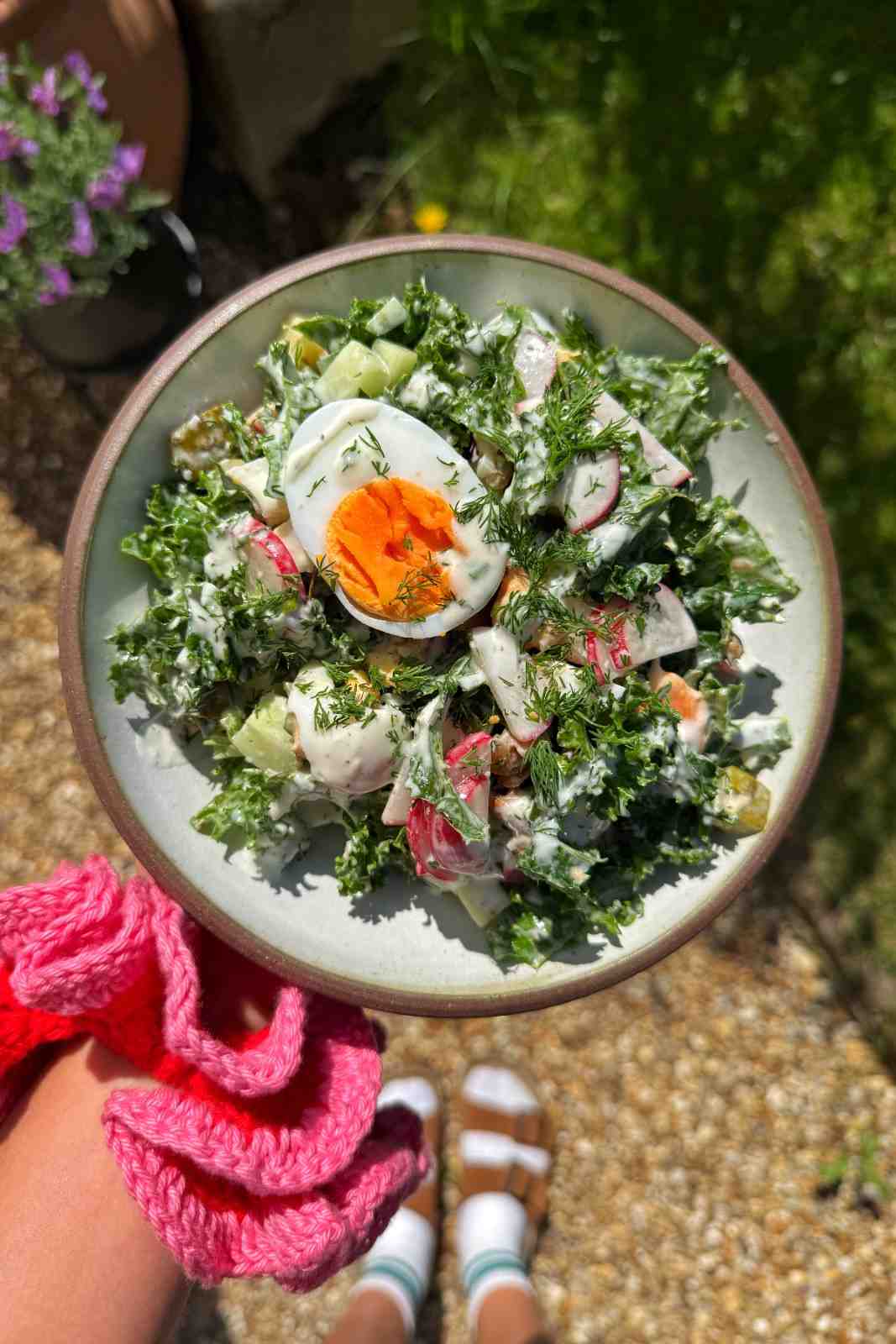
The best dill substitutes really depend on what you're making. For salads, tzatziki, and salmon, fennel fronds are the closest match because they have a similar feathery appearance and light anise flavor. For pickles, dill seed or caraway seed will give you more of that classic dill pickle taste. And if you're looking for a simple everyday swap, fresh tarragon (used at half the amount) delivers the closest overall flavor in my opinion.
I'll be honest... dill has a pretty unique flavor and none of these substitutes will taste exactly like it. But they'll all get you a delicious result, especially if you match the right substitute to the right dish. That's what this guide is all about, so scroll down for my top dill substitutes.
Jump to:
- What Is Dill And How Is It Used?
- Why You Might Need Dill Substitutes
- Quick Reference: Best Dill Substitutes by Dish
- Best Dill Substitutes (Fresh Dill)
- Substituting Dried Dill for Fresh Dill
- Dill Seed Substitutes (for Pickles and Pickling)
- Choosing The Right Dill Substitute For You
- Frequently Asked Questions
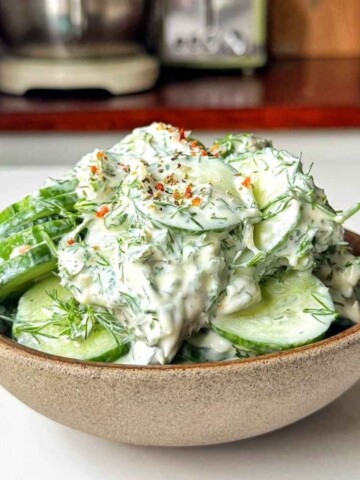
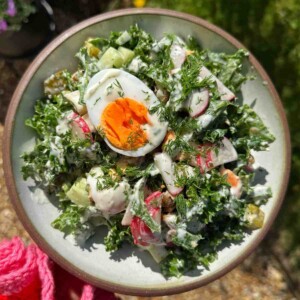
- More Dishes That Use Dill
- Dill Substitutes: Best Swaps for Every Recipe
What Is Dill And How Is It Used?
Dill (sometimes called dill weed) is a feathery, bright green herb from the same family as parsley, celery, and fennel. It has a distinctive flavor that's hard to pin down... personally I find it a bit grassy, a bit citrusy, with light anise notes that give it that recognizable "dill pickle" taste.
It's used across a lot of different cuisines too. You'll find it in Scandinavian gravlax, Greek tzatziki, Eastern European borscht, Middle Eastern rice dishes, and of course, American dill pickles. It's also a staple in potato salad, egg salad, ranch dressing, and with salmon or fish. I use it in everything from my pink pasta as a finishing garnish, to my cheesy crespelle served with harissa butter and fresh dill, to classic dishes like tzatziki and potato salad.
Fresh dill is delicate and loses its flavor quickly when cooked, so it's usually added right at the end of cooking or used raw as a garnish. The seeds, on the other hand, are stronger and hold up to heat, which is why they're used in pickling.
Why You Might Need Dill Substitutes
There are a few reasons you might be looking for a dill alternative:
- You've run out: dill has a notoriously short shelf life and goes slimy fast
- You can't find it: depending on where you live or the time of year, fresh dill isn't always available
- You don't like it: dill is one of those love-it-or-hate-it herbs (no judgment here!)
- You want to try something different: sometimes swapping a herb is all it takes to give a familiar recipe a fresh twist
Quick Reference: Best Dill Substitutes by Dish
| What you're making | Best substitute | Ratio |
|---|---|---|
| Salmon or fish | Fennel fronds or tarragon | 1:1 fennel, or ½ amount tarragon |
| Tzatziki or yogurt dips | Parsley (+ lemon zest) or mint | 1:1 parsley, ½ amount mint |
| Pickles or pickling | Dill seed, caraway seed, or fennel seed | 1 teaspoon seed per 1 tablespoon fresh dill |
| Potato salad | Parsley or chives | 1:1 |
| Soups and stews | Tarragon, thyme, or a splash of pickle juice | ½ amount tarragon/thyme, 1 tablespoon pickle juice |
| Salads and garnish | Fennel fronds or chervil | 1:1 |
| Egg dishes | Chives or tarragon | 1:1 chives, ½ amount tarragon |
Best Dill Substitutes (Fresh Dill)
1. Fennel Fronds
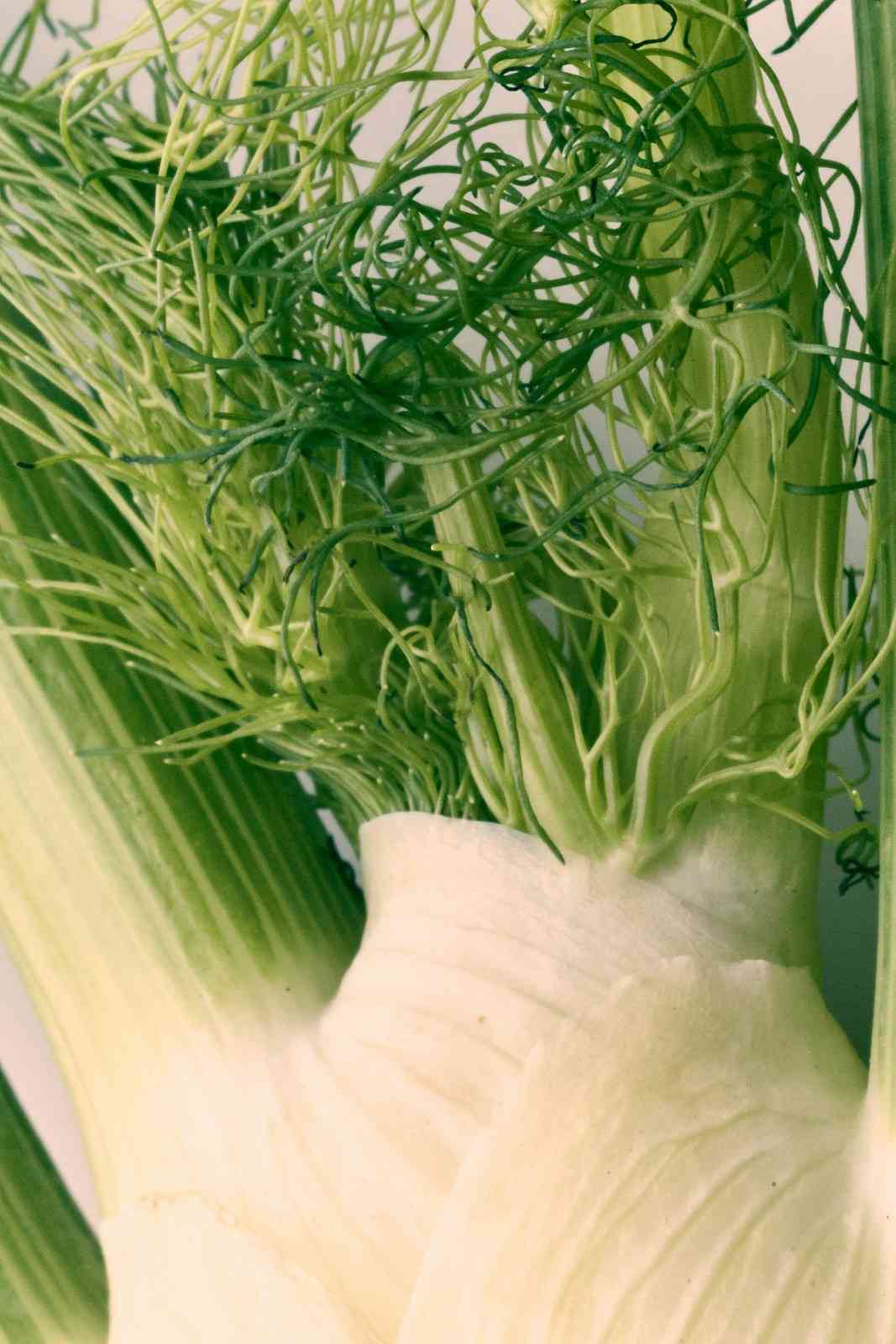
Fennel fronds are my #1 dill substitute for most dishes. They're from the same botanical family (the carrot family, actually!), they have a similar feathery look, and they bring that light anise flavor that dill is known for, just a touch sweeter and more intense.
I love using fennel fronds as a garnish on salmon (like my stuffed salmon in the air fryer) or stirred through a salad. They'd also be a great swap for the dill in my smoked salmon bagel where I use dill in the cream cheese spread. They look almost identical to dill, so they work beautifully when presentation matters. If you're buying a whole fennel bulb for another recipe, save those fronds because they're the perfect dill stand-in.
- Ratio: Use fennel fronds as a 1:1 substitute for fresh dill. They're slightly stronger, so taste as you go.
- Best for: salmon, salads, garnishes, tzatziki
If you've used the fennel fronds and now need something to make with the rest of it, then I'd highly recommend my popular apple fennel salad.
2. Tarragon
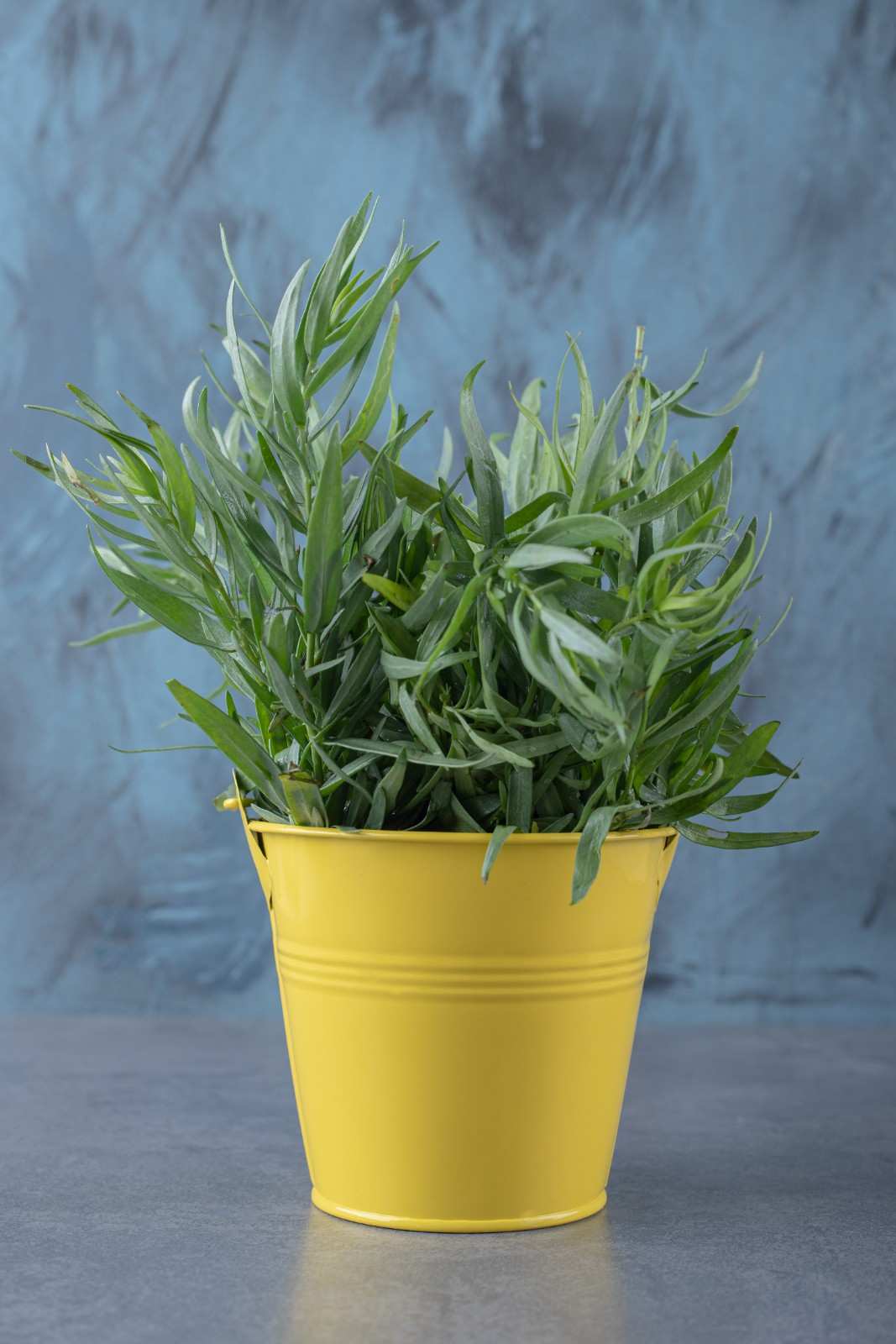
If I had to pick the single closest flavor match to dill, it would be tarragon. Both herbs share that distinctive anise-like quality, and tarragon has a warm, slightly peppery depth that works beautifully in the same types of dishes.
The important thing to know is that tarragon is significantly stronger than dill. A little goes a long way, so start with about half the amount your recipe calls for and build from there. I also recommend adding tarragon earlier in the cooking process than you would dill because it holds up to heat better and the flavor mellows as it cooks.
- Ratio: Use about half the amount of tarragon as you would dill. Add at the start of cooking for cooked dishes.
- Best for: salmon, cream sauces (like my lemon Boursin pasta), soups, chicken dishes, egg dishes
3. Parsley
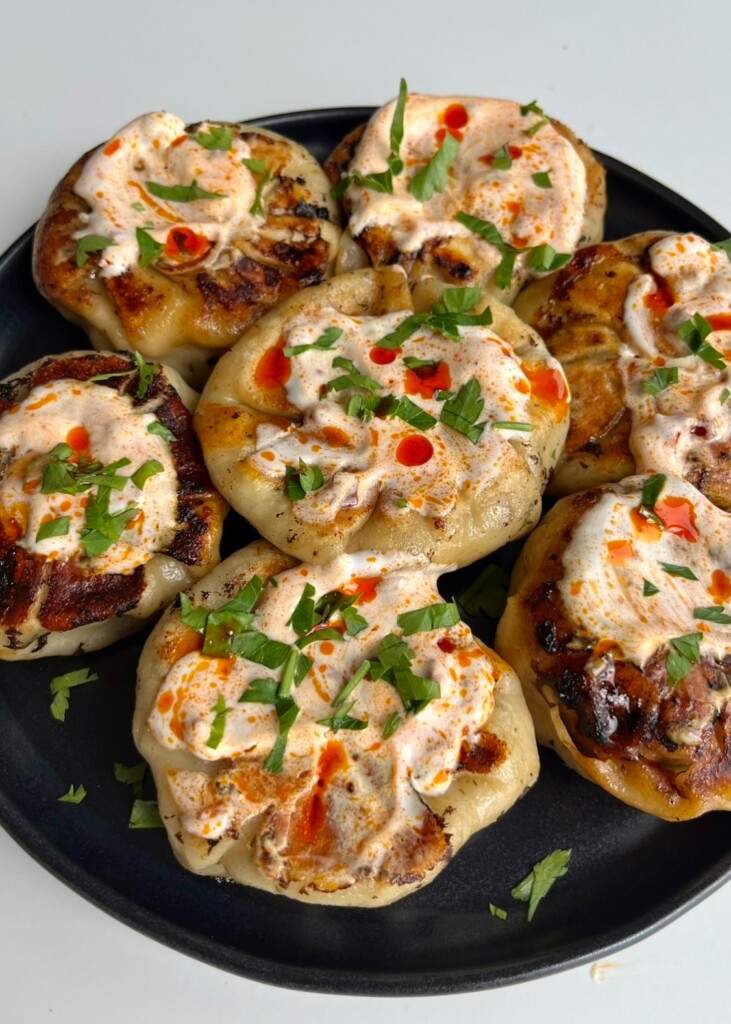
Parsley is the most universally available of dill substitutes and it works in almost everything. It won't give you dill's anise notes, but it brings a clean, bright freshness that fills the same role in a dish, especially as a garnish or stirred through at the end of cooking.
Em's top-tip: if you really want to get closer to dill's flavor profile, combine chopped flat-leaf parsley with a little lemon zest. The citrus lifts the parsley and mimics dill's brightness really well.
- Ratio: Use parsley as a 1:1 substitute for dill. Add a pinch of lemon zest for a closer match.
- Best for: tzatziki, potato salad, garnishes, soups, egg salad
4. Basil
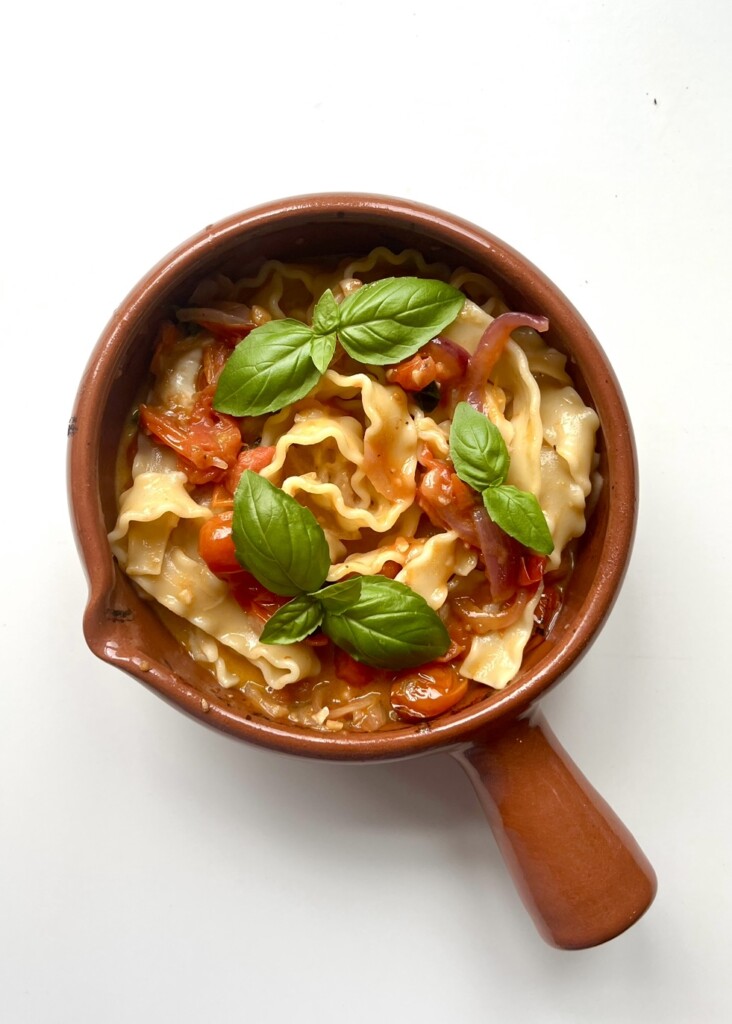
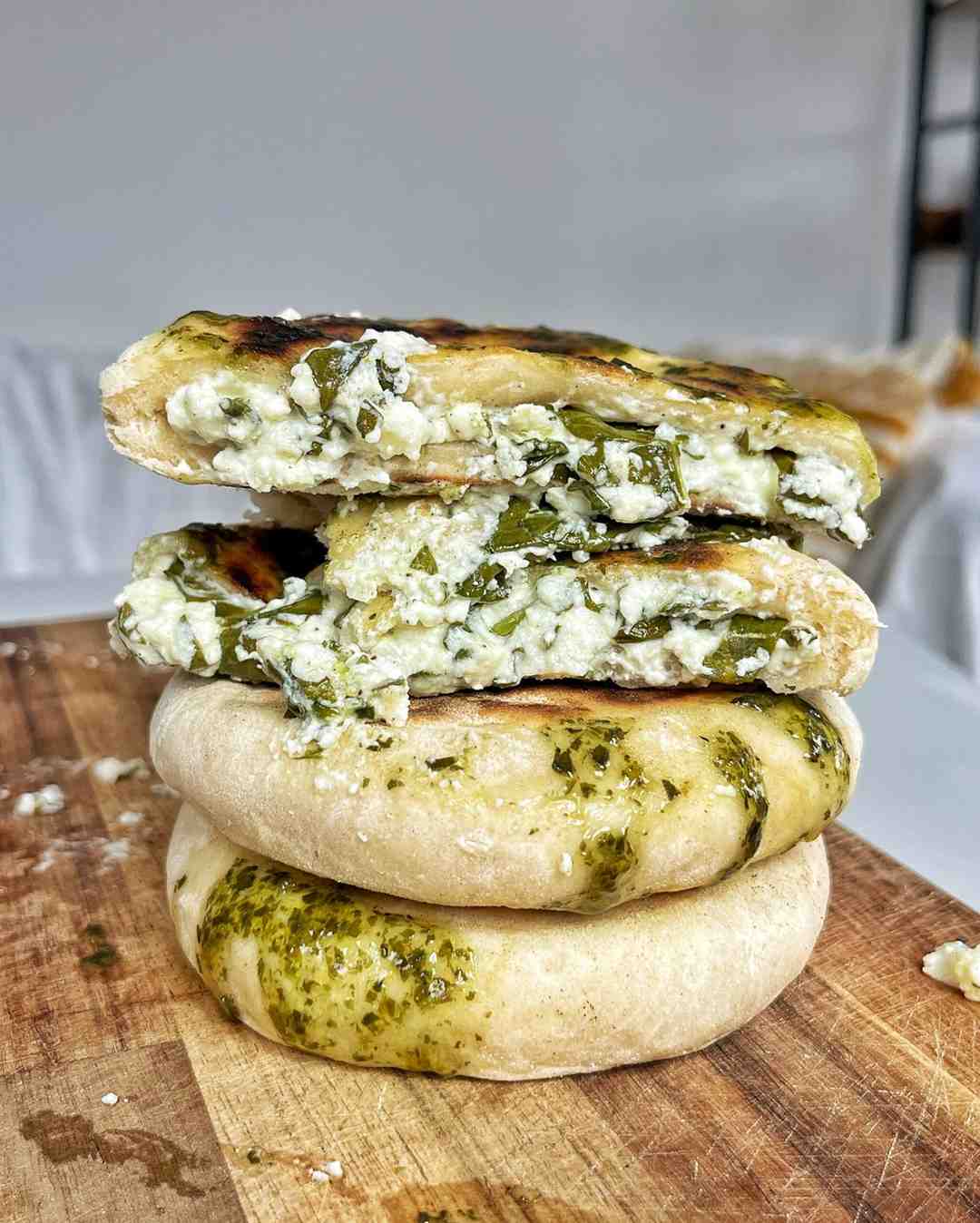
Fresh basil has a subtle anise-like quality (especially sweet basil varieties) that can work in place of dill, particularly in Mediterranean-inspired dishes like feta spring flatbreads and salads. It's not a perfect match, as basil is more floral and peppery, but when chopped very finely, it blends into dishes in much the same way dill does.
I wouldn't use basil in a dish where dill is the star flavor (like dill pickles), but for something like a grain salad or a simple yogurt dip where dill is one of several herbs, basil does the job nicely. It's actually what I suggest as a swap in my goat cheese pasta which uses fresh dill as a key ingredient.
- Ratio: Use basil as a 1:1 substitute for fresh dill. Chop finely for the best results.
- Best for: salads, Mediterranean dishes, pasta, yogurt dips
5. Chives
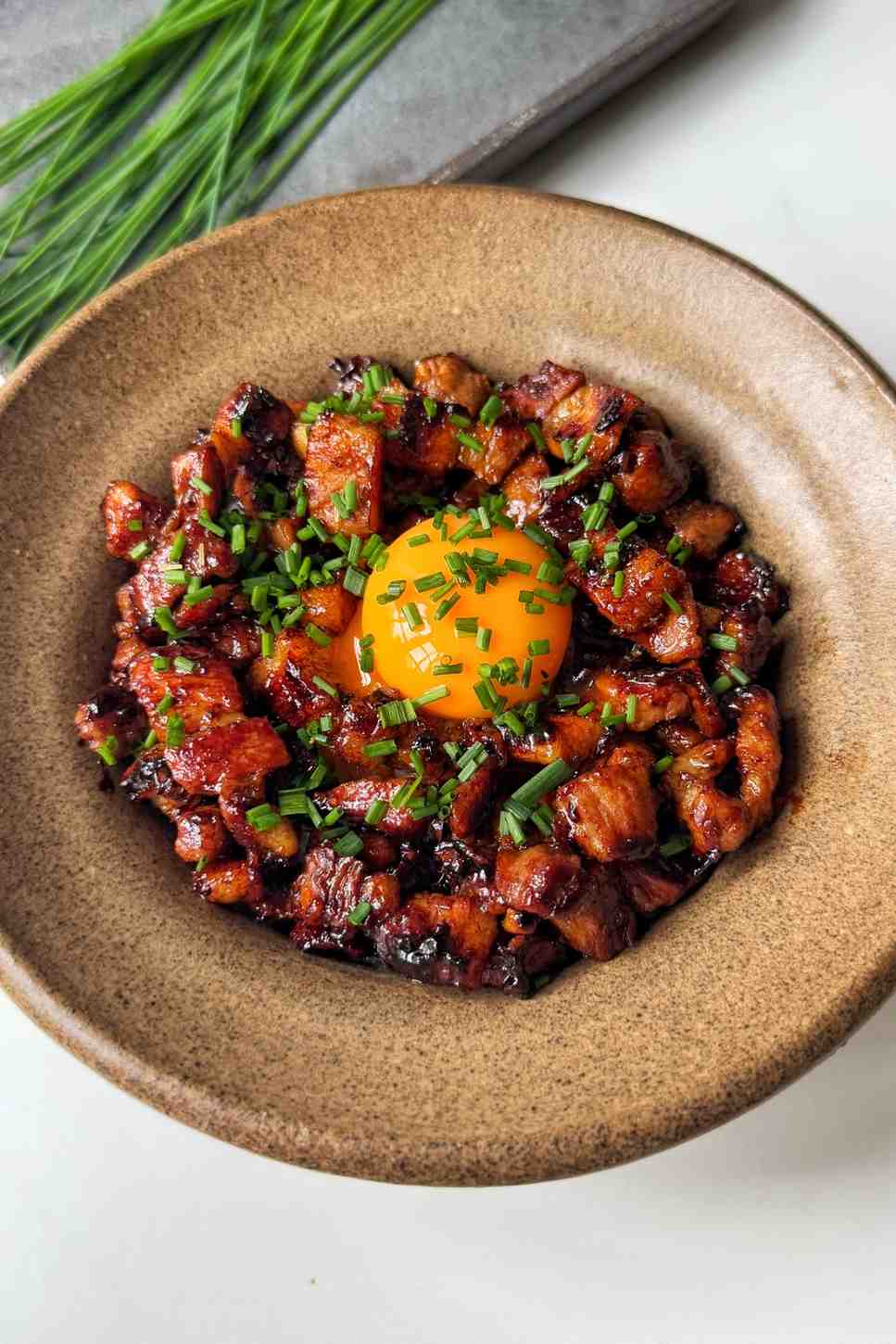
Chives won't give you any of dill's anise flavor, but they add a gentle, fresh onion note that complements many of the same dishes dill does, especially potato salad, egg dishes, and cream cheese-based dips. They're also a great swap if you're making something like perogies where dill is traditional. I use dill as a topping on my homemade Polish pierogi and chives would work just as well there. I've also got a full guide on what to serve with perogies if you need side dish ideas.
Think of chives less as a flavor match and more as a "same energy" swap, if you get me?
- Ratio: Use chives as a 1:1 substitute for fresh dill.
- Best for: potato salad, egg dishes, cream cheese, baked potatoes
6. Thyme
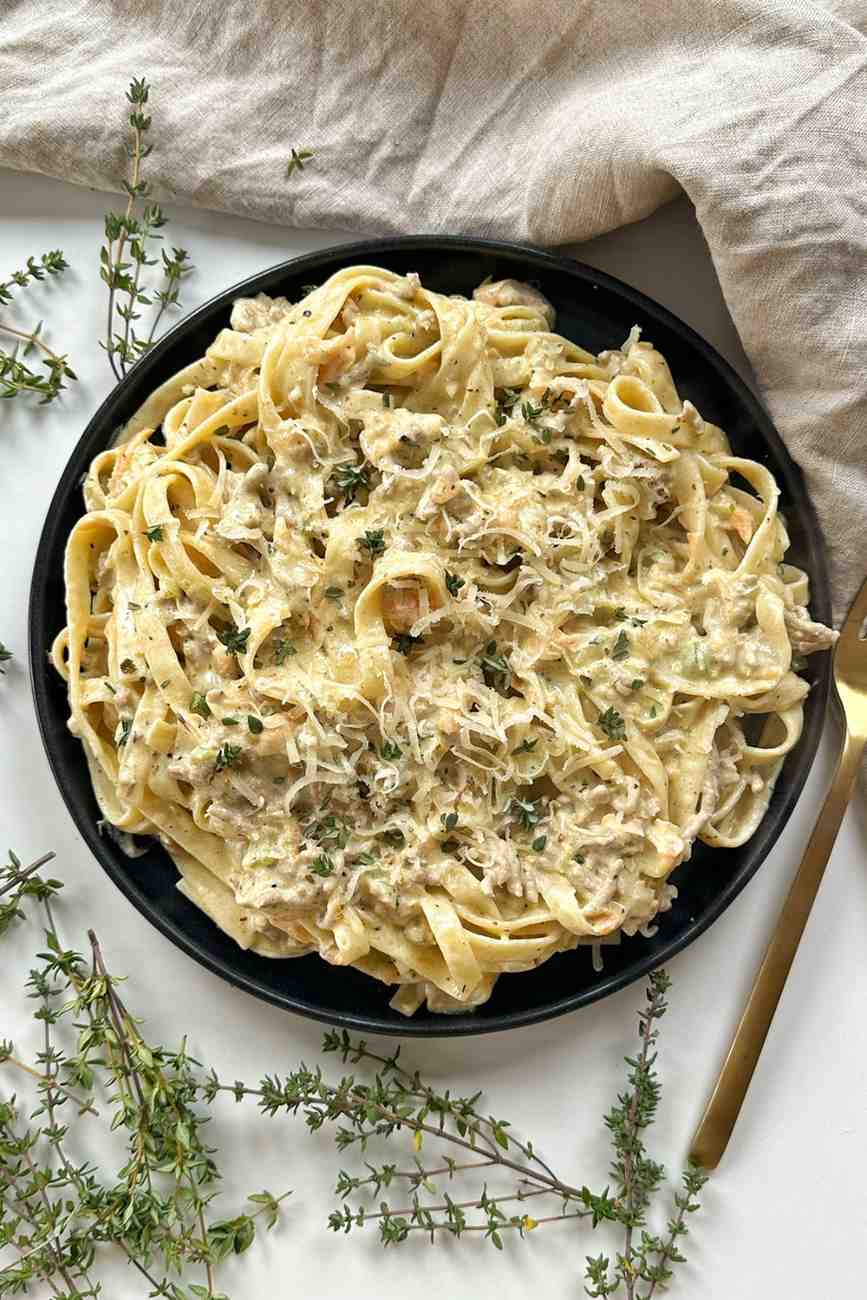
Fresh thyme works well as a dill substitute in cooked dishes where dill plays a supporting role rather than the lead. It's particularly good with roasted potatoes (or my easy skillet fried potatoes and onions where dill is one of the finishing herbs), in soups, and alongside roasted chicken like my Greek yogurt chicken in the air fryer.
The flavor is earthy and slightly floral rather than anise-like, so it takes things in a different direction, but a delicious one.
- Ratio: Use about half the amount of thyme as you would dill. Works best in cooked dishes, not raw.
- Best for: roasted potatoes, soups, stews, roast chicken
7. Mint
Mint can work in place of dill in certain dishes... particularly yogurt-based sauces and fresh salads. It shares dill's brightness and works with many of the same ingredients (cucumber, yogurt, lamb). In my Greek meatballs (keftedes) I actually use both mint and dill together, so if you're out of dill, the mint on its own will still carry the dish.
- Ratio: Start with half the amount of mint and adjust to taste.
- Best for: tzatziki, cucumber salad, lamb dishes, yogurt sauces
8. Dill Pickle Juice (The Viral Hack)
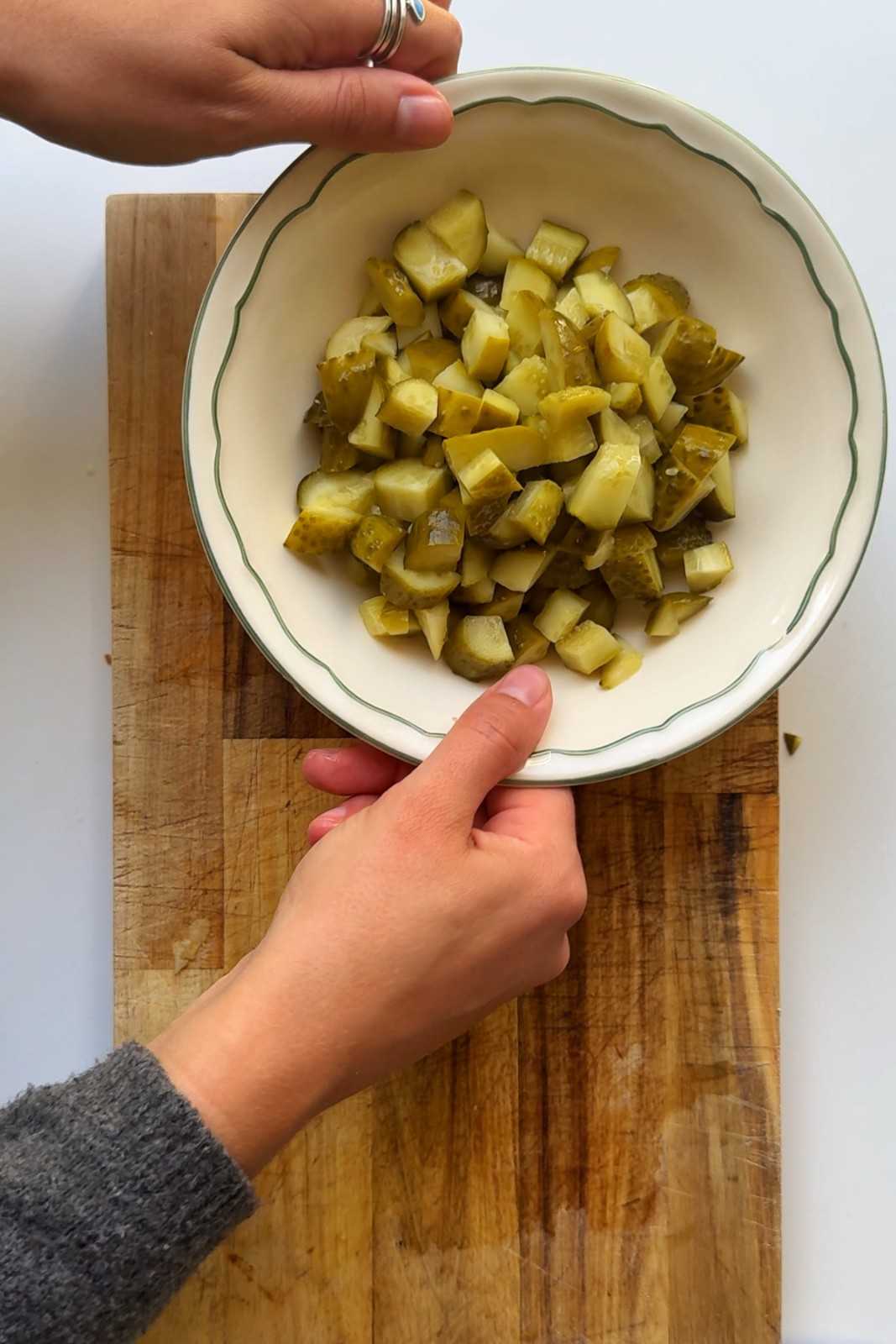
This one sounds a little unconventional, but hear me out... if you're making a soup, dressing, or sauce and you want that dill flavor, a splash of dill pickle brine can genuinely save the dish.
I picked this tip up from a Reddit cooking community talking about their favorite dill substitutes and thought it was genius! Apparently a lot of home cooks swear by it for borscht and potato soup when they're completely out of dill. I actually use pickle juice as a key ingredient in my dill pickle egg salad so I can confirm the flavor works beautifully.
The brine has already been infused with dill (plus garlic and vinegar), so it brings both the flavor and a nice tang. Start with about a tablespoon, stir it in, taste, and add more if you want. It won't work for everything (you can't exactly garnish a piece of salmon with pickle juice...), but for anything liquid-based where dill plays a background role, it's a surprisingly effective hack.
- Ratio: Start with 1 tablespoon and taste from there. Works best in soups, stews, dressings, and sauces.
- Best for: soups, stews, salad dressings, potato salad dressing, marinades
9. Celery Heart Leaves (Bonus Tip)
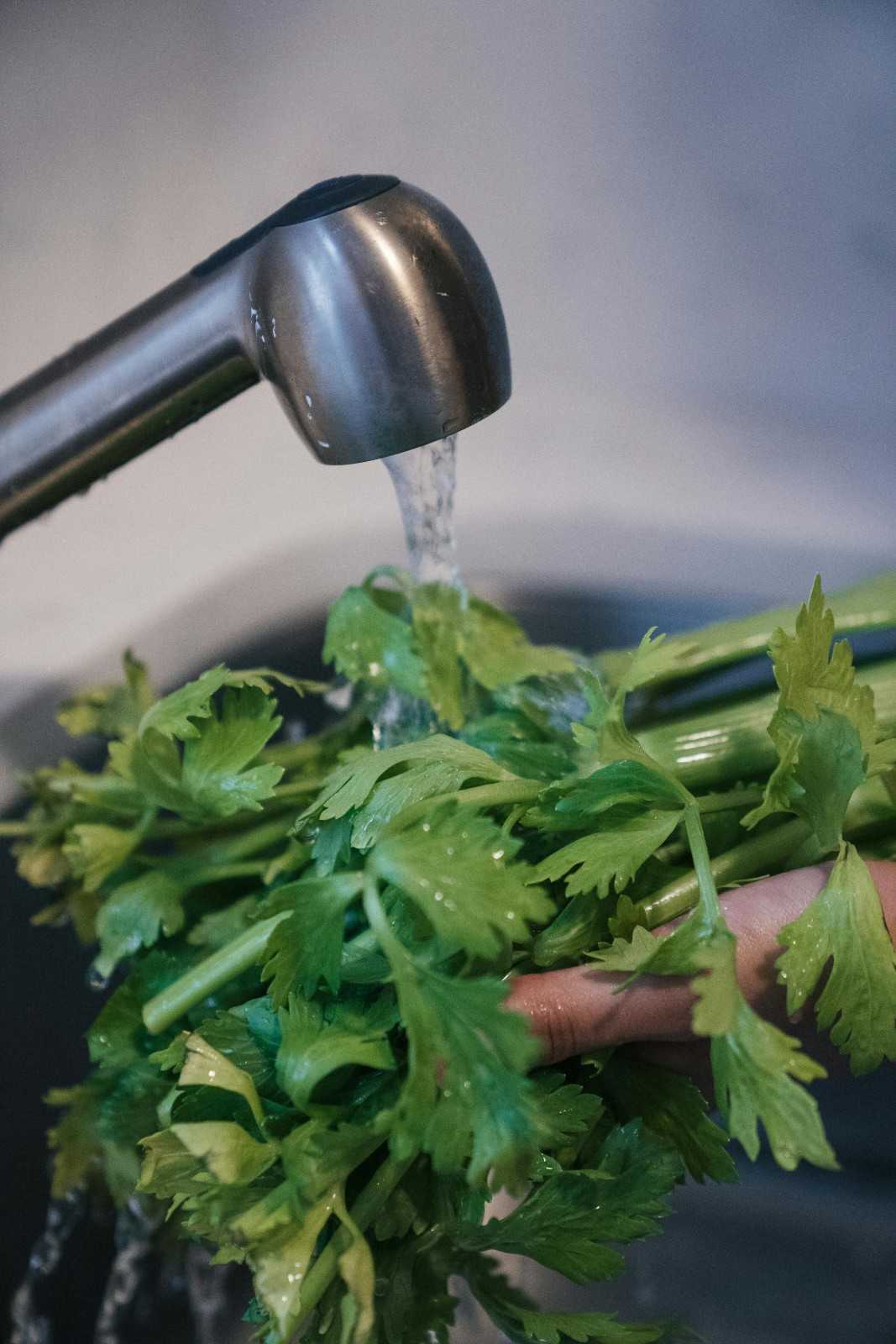
Here's one most people don't think of... the pale, tender leaves from the inner heart of a celery bunch are from the same botanical family as dill and have a surprisingly mild, herby flavor. They're not a perfect dill replacement, but they add a similar fresh, herbaceous quality to soups and salads.
Next time you're making borscht or a potato soup and don't have dill, try tossing in a handful of those inner celery leaves instead of throwing them away. Funnily enough, if you've got the opposite problem, plenty of dill but no celery, I've got a post on chicken salad without celery that might help!
Substituting Dried Dill for Fresh Dill
No list of dill substitutes is complete without mentioning dried dill. If you don't have fresh dill but you've got dried dill in your spice drawer, that's the simplest swap. Dried dill won't have quite the same vibrancy or color, but it brings a very similar flavor, just more concentrated.
- Ratio: use 1 teaspoon of dried dill for every 1 tablespoon of fresh dill.
A few tips for using dried dill:
- Add it earlier in cooking than you would fresh dill, so it has time to rehydrate and release its flavor
- It works better in cooked dishes (soups, stews, sauces) than in raw preparations like salads
- Check that your dried dill still smells strong (rub a pinch between your palms). If it smells dusty or flat rather than grassy and fragrant, it's lost its potency and should be replaced. Dried herbs lose their punch after about 6 months once opened.
Dill Seed Substitutes (for Pickles and Pickling)
Dill seed is a different thing from dill weed (the feathery leaves). The seeds have a much stronger, slightly more bitter flavor and they're primarily used in pickling and bread recipes. If you need a dill seed substitute, you want seeds... not fresh herbs.
Caraway Seed
The closest substitute for dill seed. Caraway has a similar warm, slightly anise-like flavor and is commonly used in Eastern European and German cooking. Use as a 1:1 substitute.
Fennel Seed
Fennel seeds are slightly sweeter than dill seeds and have a stronger anise punch. Use about ¾ the amount of fennel seed as you would dill seed and taste as you go (they can be quite intense).
Celery Seed
Celery seed won't give you the anise notes, but it's a common pickling spice that adds a savory, herbaceous depth. If you've run out of dill seed for a pickle recipe, celery seed combined with a pinch of fennel seed gets you reasonably close. If you're interested in celery alternatives more broadly, I've got a full post on substitutes for celery that covers a lot of ground.
Choosing The Right Dill Substitute For You
My golden rule with dill substitutes is to think about the role dill plays in your recipe. Is it there for the anise flavor? Go with tarragon or fennel fronds. Is it there for freshness and color? Parsley will do the job. Is it there for that classic pickle tang? You need seeds, not herbs.
And if you're still unsure, parsley with a pinch of lemon zest is the safest all-rounder... it won't clash with anything and it'll give your dish that herby brightness that dill would have brought.
If you found this guide helpful, you might also like my guides on substitutes for celery, substitutes for Greek yogurt or substitutes for maple syrup.
Happy cooking! 🌿
Frequently Asked Questions
Tarragon is the closest flavor match to dill — both have that distinctive anise-like, slightly sweet quality. Fennel fronds are the closest visual and textural match. For the best of both worlds, I'd go with fennel fronds for cold dishes and tarragon for cooked dishes.
Yes! Use 1 teaspoon of dried dill for every 1 tablespoon of fresh dill. Dried dill works best in cooked dishes like soups and sauces. For raw preparations like salads or garnishes, I'd recommend using a different fresh herb instead (parsley or fennel fronds) since dried dill won't give you the same color or texture.
Fresh flat-leaf parsley with a squeeze of lemon juice is my go-to dill substitute for tzatziki. It gives you that herby freshness without changing the character of the sauce too much. Fresh mint also works but use about half the amount because mint is strong and can easily take over.
For pickling, you need dill seed (not fresh dill weed) as your starting point. If you don't have dill seed, caraway seed is the closest substitute at a 1:1 ratio. Fennel seed also works but is sweeter - use about ¾ the amount.
When a recipe says "dill," it almost always means the fresh or dried feathery leaves — which is technically called dill weed. Dill seed is the small, flat seed of the dill plant and has a much stronger, more concentrated flavor. They're not interchangeable, so always check which one your recipe is calling for.
More Dishes That Use Dill

Dill Substitutes: Best Swaps for Every Recipe
Ingredients
- 8 Dill Substitutes: Best Swaps for Every Recipe
Instructions
- Browse all of the dill substitutes further up in the blog and pick an alternative you'd like to use.
- Make your chosen dish or create a recipe using the dill substitute chosen.
- Serve up with any sides you like and enjoy!
Nutrition
Always see my recipes in Google
One tap adds Myriad Recipes to your preferred sources, so my recipes show up more often when you're hunting for dinner ideas.
KarBlair says
Just what i needed - had just run out! Thank you!